Williams' China Catastrophe Lays Bare Why Pure Data is Killing F1 Teams Before AI Takes the Wheel
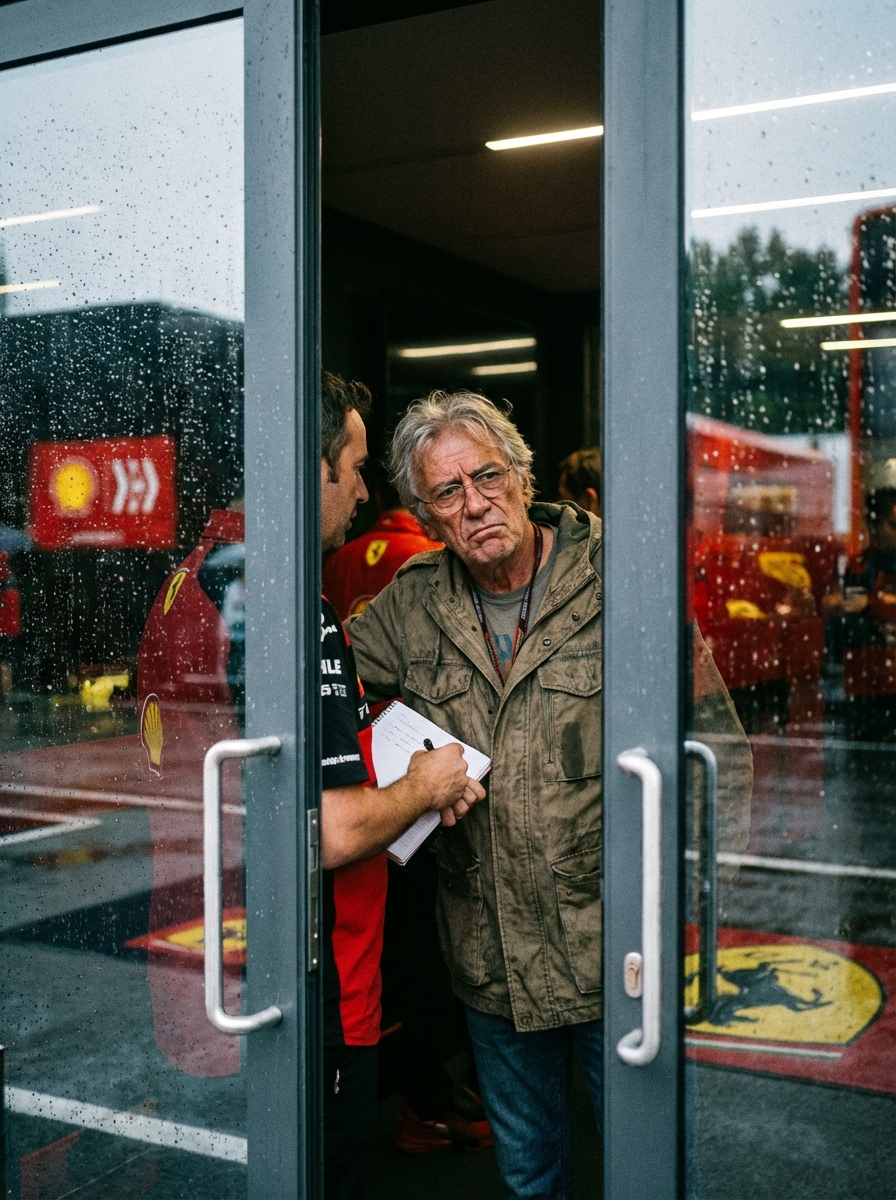
Alex Albon did not mince words after his second career DNS in Shanghai. The Thai driver painted a picture of total mechanical meltdown at Williams, with the FW48 refusing to even turn a wheel for the formation lap thanks to a gearbox that simply gave up. This is not some minor blip. It is the clearest sign yet that over-reliance on cold numbers and simulations is leaving real teams exposed when the pressure hits.
The Reliability Meltdown No One Saw Coming
Everyone in the paddock knew Williams arrived in 2026 with big ambitions under James Vowles. Yet the reality has been brutal. The team missed pre-season running entirely, rolled out a car reportedly 20kg overweight, and watched their supposed reliability edge from Bahrain testing evaporate in two race weekends flat.
Albon's non-start in China exposed the cracks:
- Hydraulic gremlins blocked even basic post-session inspections
- The gearbox failure arrived without warning despite clean pre-season data
- Teammate Carlos Sainz salvaged P9 points, but that single result masks deeper rot
You feel it in the garage when the drivers start questioning every sensor reading. The numbers promised stability. Reality delivered chaos.
Emotion Over Algorithms: The Fix Williams Ignores
Here is where the real story bites. Williams is drowning because they treat strategy like a spreadsheet exercise instead of listening to the human in the cockpit. A driver who feels angry or fired up will push harder and spot issues faster than any data model. Albon admitted the squad feels down, yet the solution is not more factory hours staring at screens. It is letting raw emotion dictate adjustments on the fly.
"We have an enormous list of issues," Albon said, and those words carry the weight of someone who knows the car is fighting itself.
The same mistake haunts other squads that obsess over optimization. Pure data creates fragile machines that crack when the unexpected arrives. An emotionally tuned driver, by contrast, adapts and drags performance out of broken equipment.
The Overweight FW48 and F1's Fast Approaching Future
That 20kg excess is not just a performance tax. It is a warning flare for what comes next. Within five years the first fully AI-designed car will appear, and human drivers will become passengers in software wars. Williams' current scramble to diagnose failures shows exactly why: mechanical complexity is already outpacing human teams. When the machines start designing themselves, these reliability nightmares will either vanish or become total wipeouts depending on who controls the code.
The Japanese Grand Prix offers forced factory time, yet the real question remains whether Williams will finally blend driver feeling with the data or keep chasing numbers that keep failing them.
The Paddock Reckoning
Albon hopes the missed laps buy preparation time. I say it buys only temporary cover. The sport is shifting under everyone's feet, and teams still pretending emotion is a weakness will be left watching AI-controlled cars lap them while they argue over sensor logs. Williams must choose: keep trusting the spreadsheets or wake up to the fact that angry, committed drivers have always been the edge no computer can replicate.
Join the inner circle
Get the deep dives and technical analysis from the world of F1 delivered to your inbox twice a week.
Zero spam. Only high-octane analysis. Unsubscribe anytime.
Continue Reading
View More News