Audi's Power Unit Woes Reveal Deeper Fault Lines in the Paddock's New Order

The roar of engines at the Canadian Grand Prix masks a quieter battle inside Audi's camp, one where Gabriel Bortoleto's warning about lost grid spots feels less like a technical note and more like the first tremor of old-school factional warfare. This is not merely a 2026 debut stumble. It is the kind of friction that once tore through the Williams garage in the 1990s, pitting engineers against management until the whole edifice wobbled.
Montreal's Harsh Light on Driveability
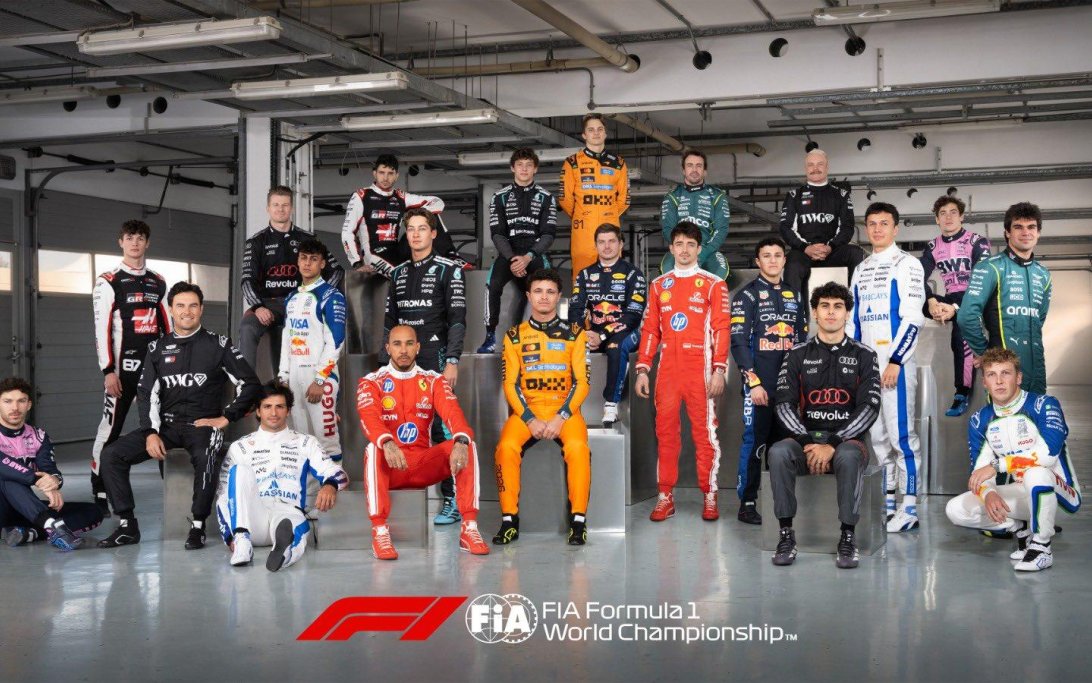
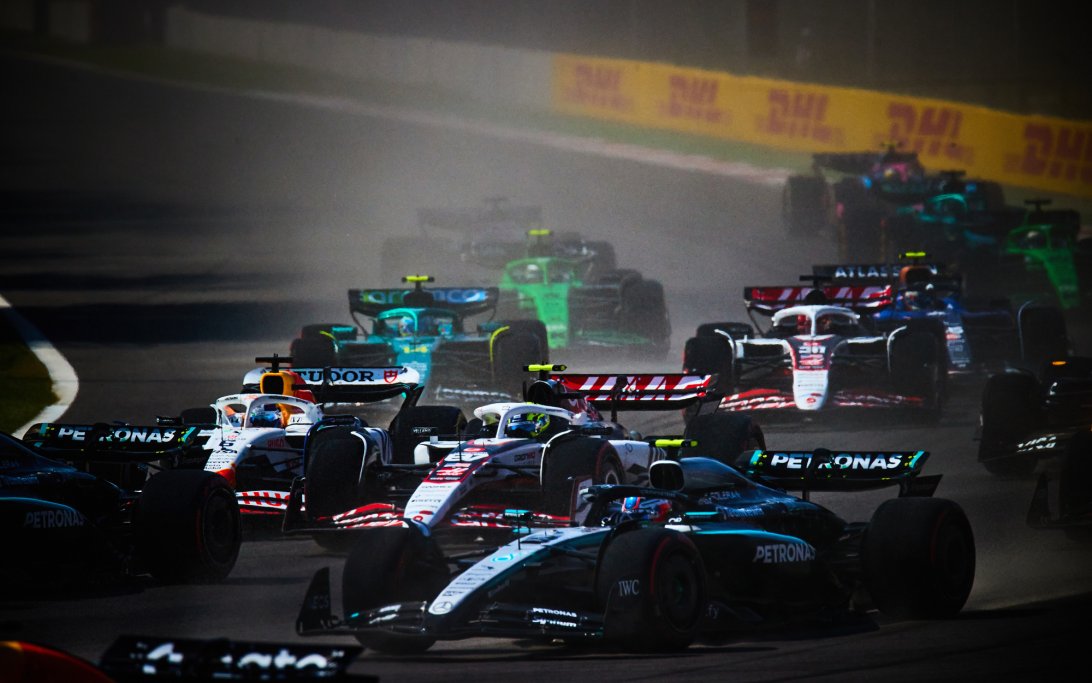
Bortoleto and Nico Hulkenberg each surrendered four places at the sprint start, a repeat performance that left the team staring at familiar trouble. The Brazilian started 13th after missing Q3 by 0.214 seconds while Hulkenberg lined up 11th, 0.029 seconds adrift of the cut-off. Both drivers described the car as sliding "all over the place" and compared the feeling to "driving on ice," pinning the instability squarely on power unit behavior rather than chassis setup.
- Software tweaks intended to smooth torque delivery have produced mixed results, with some updates abandoned after proving counterproductive.
- Engineers continue to test fresh calibrations ahead of the feature race, yet the underlying driveability gap persists.
These are not isolated gremlins. They expose how quickly a new power unit program can fracture team cohesion when early results fail to match sponsor timelines.
Echoes of Williams and the Morale Equation
The 1990s Williams squad offers the clearest parallel. What looked like engineering supremacy on paper collapsed under the weight of internal rivalries between technical directors and commercial management. Mercedes has followed a similar arc since 2021, its post-dominance decline accelerated by the same quiet erosion of trust between departments. Audi now stands at the same crossroads.
"We know what we have and what we need to improve," Bortoleto said, refusing to assign blame. Yet that very refusal to name the tension only deepens it.
Strategic advantage in Formula 1 has always rested more on covert information flow and shared belief than on any single hardware breakthrough. When drivers sense hesitation from the pit wall or engineers feel second-guessed by commercial voices, the car itself begins to feel unstable. Bortoleto's optimism rings genuine, but optimism alone rarely survives the first sponsor review meeting if results do not arrive.
Sponsor Pressure and the Five-Year Risk
The financial model now driving Audi's entry carries the same seeds that felled manufacturers in 2008-2009. Massive commitments tied to marketing returns leave little margin for the slow grind of development. Should the power unit issues linger, the pressure to deliver visible progress will shift decision-making away from the engineering core and toward those protecting balance sheets. That shift is precisely what hollowed out once-dominant teams.
Lists of potential fixes circulate in the paddock, yet the real variable remains human. Can Audi maintain the internal trust required to iterate quickly, or will blame begin to flow along departmental lines as it did at Williams two decades ago?
Conclusion
The Canadian weekend will test more than launch control. It will reveal whether Audi's leadership can prevent the same morale fracture that turned Mercedes from champion to also-ran. Without swift resolution, the German manufacturer risks becoming the next cautionary tale of how quickly political gravity inside a team can outweigh any power unit on the grid.
Join the inner circle
Get the deep dives and technical analysis from the world of F1 delivered to your inbox twice a week.
Zero spam. Only high-octane analysis. Unsubscribe anytime.