Sprint Calendar 2026 Exposes the Heartbeat Data That Will Soon Silence Driver Instinct

The raw timing sheets from the 2026 Sprint announcement hit like a cold telemetry spike on a warm lap. Six events locked in, three fresh circuits added, and the same rigid points ladder that rewards the top eight finishers with eight points down to one. Yet the numbers whisper a darker forecast. F1 is not just rotating venues like Canada, the Netherlands, and Singapore. It is accelerating the moment when algorithms dictate every throttle input and pit decision, leaving no room for the human pulse that once defined legends.
Data as Emotional Archaeology on Fresh Asphalt
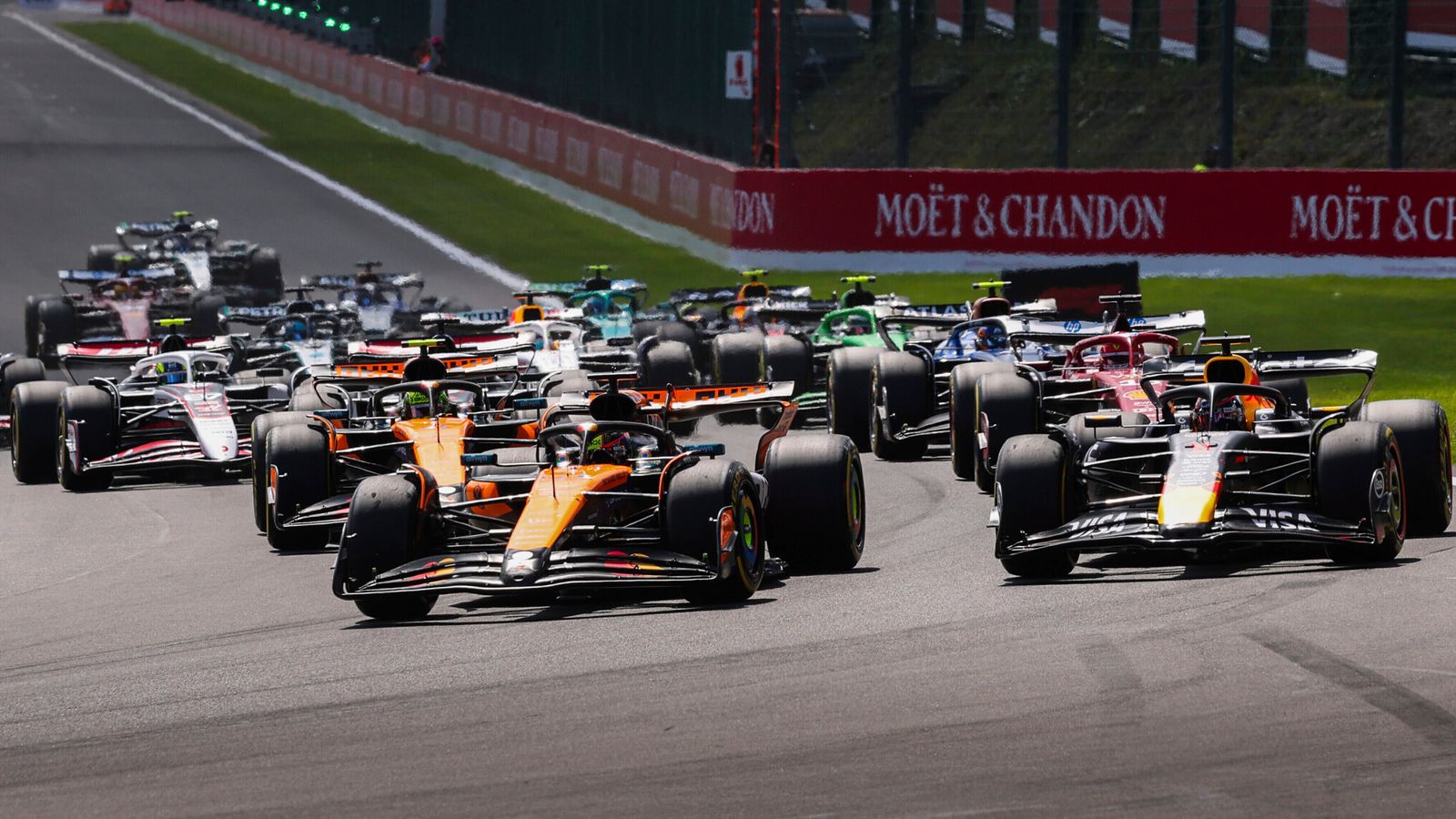
The calendar facts sit plain on the page. Chinese, Miami, and British Grands Prix return while Montreal, Zandvoort, and Marina Bay join for the first time. The weekend skeleton stays frozen from 2023. Friday delivers one hour of practice then Sprint Qualifying. Saturday runs the 100 kilometer Sprint in the morning before Grand Prix qualifying. Sunday hosts the full race distance. SQ1 lasts twelve minutes on mandatory new mediums, SQ2 ten minutes on another set of mediums, and SQ3 eight minutes on softs. Parc ferme begins at Sprint Qualifying and lifts only after the Sprint itself.
These constraints sound efficient until you map them against real driver pressure. Lap time drop offs rarely appear in isolation. They trace personal fault lines. A driver who loses three tenths in sector two at Zandvoort may be reacting to the same invisible weight that once cracked even the steadiest performers. The 2026 rotation tests exactly those moments on street circuits and dunes where overtaking windows close fast. Data should excavate those stories, not bury them under real time strategy overlays.
- New venues force fresh correlation work: Montreal's long straights, Zandvoort's banking, Singapore's humidity all generate unique tire degradation curves.
- Points remain unchanged: Eight for the Sprint winner, scaling linearly to one point for eighth.
- Tyre mandates lock choices early: Mediums dominate the knockout phases, limiting improvisation.
Schumacher's 2004 Standard Meets the Coming Robot Era
Michael Schumacher's 2004 campaign still stands as the clearest benchmark. His qualifying consistency across that season produced pole after pole with minimal variance, built on seat of the pants feel rather than constant radio feeds. Modern teams now chase the opposite. Real time telemetry already overrides driver calls on tire warm up and fuel maps. Within five years the Sprint format will finish the job. Pit windows will be calculated to the millisecond by central algorithms. Driver intuition becomes a liability the system corrects in real time.
Charles Leclerc's qualifying record from 2022 to 2023 illustrates the cost. His raw pace data placed him ahead of most teammates on single lap efforts, yet narrative blame for errors often ignored Ferrari's own strategic misreads. The 2026 calendar will amplify such mismatches. New tracks reward the driver who can still read grip through vibration when the data feed lags. Those who cannot will see their margins shaved by software that treats every heartbeat as noise.
The sport edges closer to sterile predictability when every decision carries an algorithmic receipt.
This rotation claims to chase spectacle. The timing sheets suggest something colder. Circuits chosen for overtaking potential will instead become laboratories for suppressing the very variability that once made races unforgettable.
Conclusion
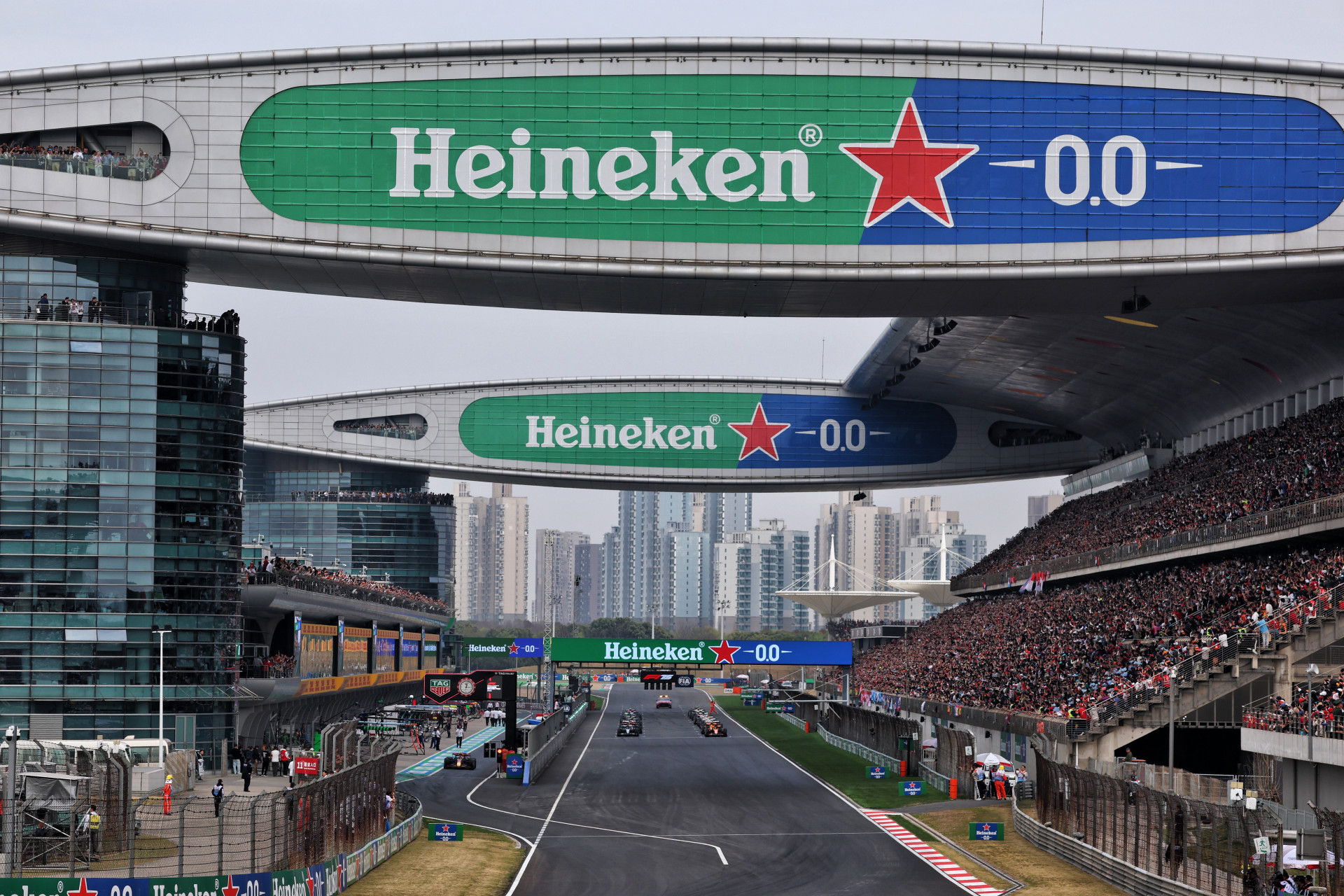
The 2026 Sprint schedule begins in Shanghai on March 13 to 15 and spreads its six events across familiar and foreign ground. The structure looks stable on paper. The underlying telemetry trend does not. F1 is locking itself into a future where lap times lose their human tremor and drivers become interchangeable nodes in an optimization loop. Schumacher's 2004 season proved consistency could still feel alive. The current path risks making every future Sprint feel preordained by code.
Join the inner circle
Get the deep dives and technical analysis from the world of F1 delivered to your inbox twice a week.
Zero spam. Only high-octane analysis. Unsubscribe anytime.
Continue Reading
View More News