The Chassis Storm That Honda Never Saw Coming in 2026
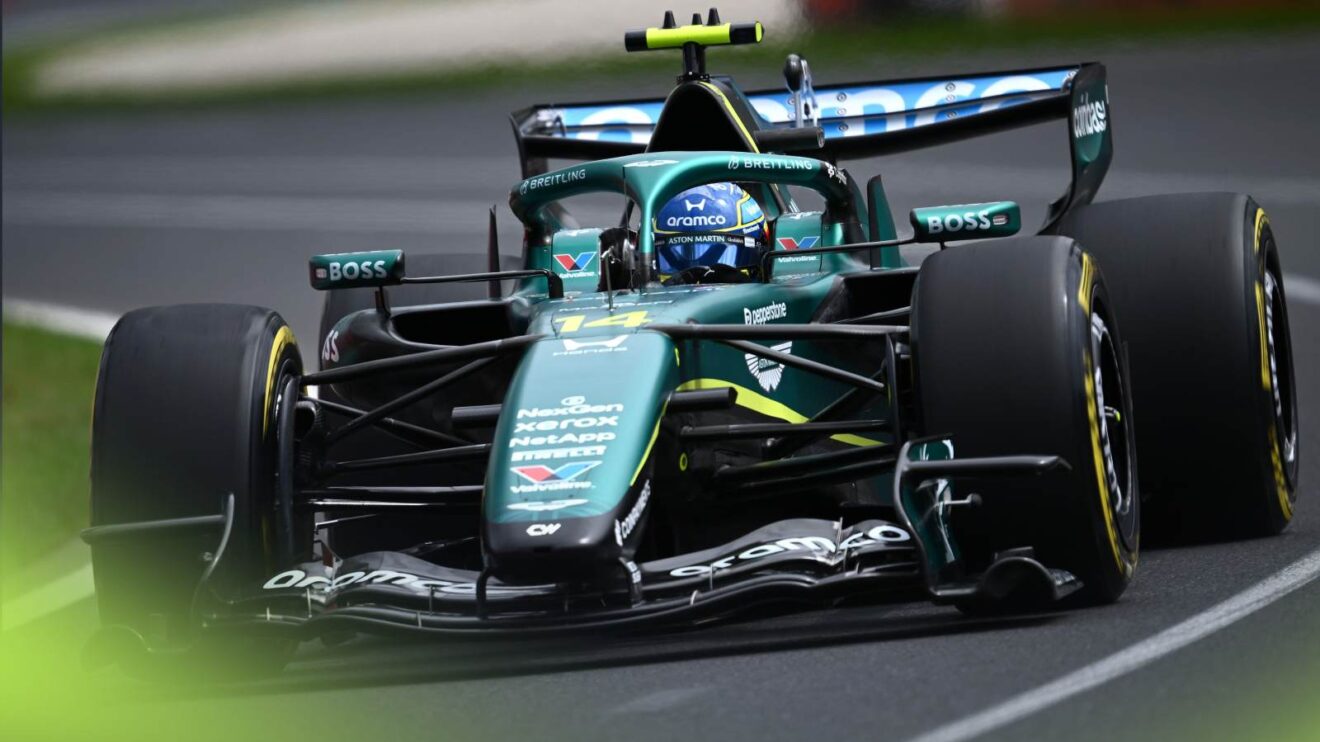
A single structural resonance has turned Honda's new power unit into a reliability nightmare inside the Aston Martin AMR26, proving once again that elegant mechanical harmony beats aerodynamic excess every time.
The admission from Honda Racing Corporation managing director Koji Watanabe lands like a thunderclap across the paddock. Vibrations that stayed manageable on the dyno have exploded into something far more destructive once bolted into Adrian Newey's latest chassis. This is not mere bad luck. It is the predictable result of modern Formula 1's obsession with layered aerodynamic complexity at the expense of the raw, tire-connected mechanical grip that once defined great cars.
Integration Failures Written in Resonance
Watanabe described the dyno readings as acceptable, yet the same power unit becomes dramatically worse inside the actual car. The difference points directly to structural coupling between engine and chassis, a problem that dyno rigs simply cannot replicate.
- Severe battery pack failures curtailed pre-season running
- Aston Martin now carries a crippling mileage deficit against Mercedes and Ferrari customer teams
- Development has stalled while both partners chase vibration countermeasures instead of performance gains
These are not isolated glitches. They represent a fundamental mismatch that late chassis revisions requested after Newey's mid-2025 arrival only made worse. The temporary relief seen in Japanese Grand Prix practice that vanished by Saturday merely underscores how fragile any fix remains.
Lessons From the FW14B That Modern Designs Ignore
Today's cars chase downforce numbers the way sailors once chased wind, yet they forget the mechanical foundation that lets a driver truly feel the tires. The 1990s Williams FW14B solved similar integration puzzles through elegant simplicity: active suspension and mechanical balance worked in concert rather than fighting each other through layers of aero add-ons.
Current designs, by contrast, pile aerodynamic complexity atop already stressed power unit mounts. The result is exactly the kind of resonant storm now battering Aston Martin. Mechanical grip and tire management suffer when every development token flows toward wings and floors instead of the chassis-engine interface that actually transmits forces to the road.
The vibration level was acceptable on the dyno but becomes much more once integrated into the actual car.
Watanabe's words capture a truth the sport keeps relearning the hard way.
The Path Toward 2028 and Beyond
While Honda and Aston Martin scramble for ADUO tokens to patch reliability, a larger shift looms. Within five years active aerodynamic systems governed by real-time AI will replace static DRS mechanisms entirely. Races will grow more chaotic, yet driver input will shrink further unless teams rediscover the mechanical connections they have neglected.
The current crisis offers a narrow window to correct course. If the focus stays solely on damping vibrations rather than rethinking the underlying chassis philosophy, the same resonance problems will return in new forms.
The Human Cost of Overcomplicated Solutions
Aston Martin still introduces new front wings and floors even while its power unit struggles for basic durability. The team admits it lacks the pace to score points on the rare occasions the car finishes. This reactive cycle leaves both partners far behind rivals who began performance development months earlier.
The partnership's future hinges on whether the existing power unit architecture can be stabilized or whether a full redesign becomes necessary for 2027. Watanabe stays non-committal, promising only to improve reliability and performance within the rules. That cautious stance reveals the deeper engineering reality: no amount of aerodynamic wizardry compensates for a chassis that cannot live with its own engine.
The storm now raging through the AMR26 serves as a reminder that true progress in Formula 1 has always come from balancing forces, not multiplying them.
Join the inner circle
Get the deep dives and technical analysis from the world of F1 delivered to your inbox twice a week.
Zero spam. Only high-octane analysis. Unsubscribe anytime.