Honda's Vibration Disaster Hands Rivals a Psychological Weapon Straight From the 1994 Playbook
The pressure cooker at Suzuka this weekend is not merely about fixing a broken power unit. It is the latest battlefield in F1's endless war of perception, where Honda's mysterious vibrations have exposed how centralized control at the very top of teams like Mercedes can accelerate collapse while opening doors for smarter operators.
The Leadership Trap That Mirrors Mercedes' Coming Reckoning
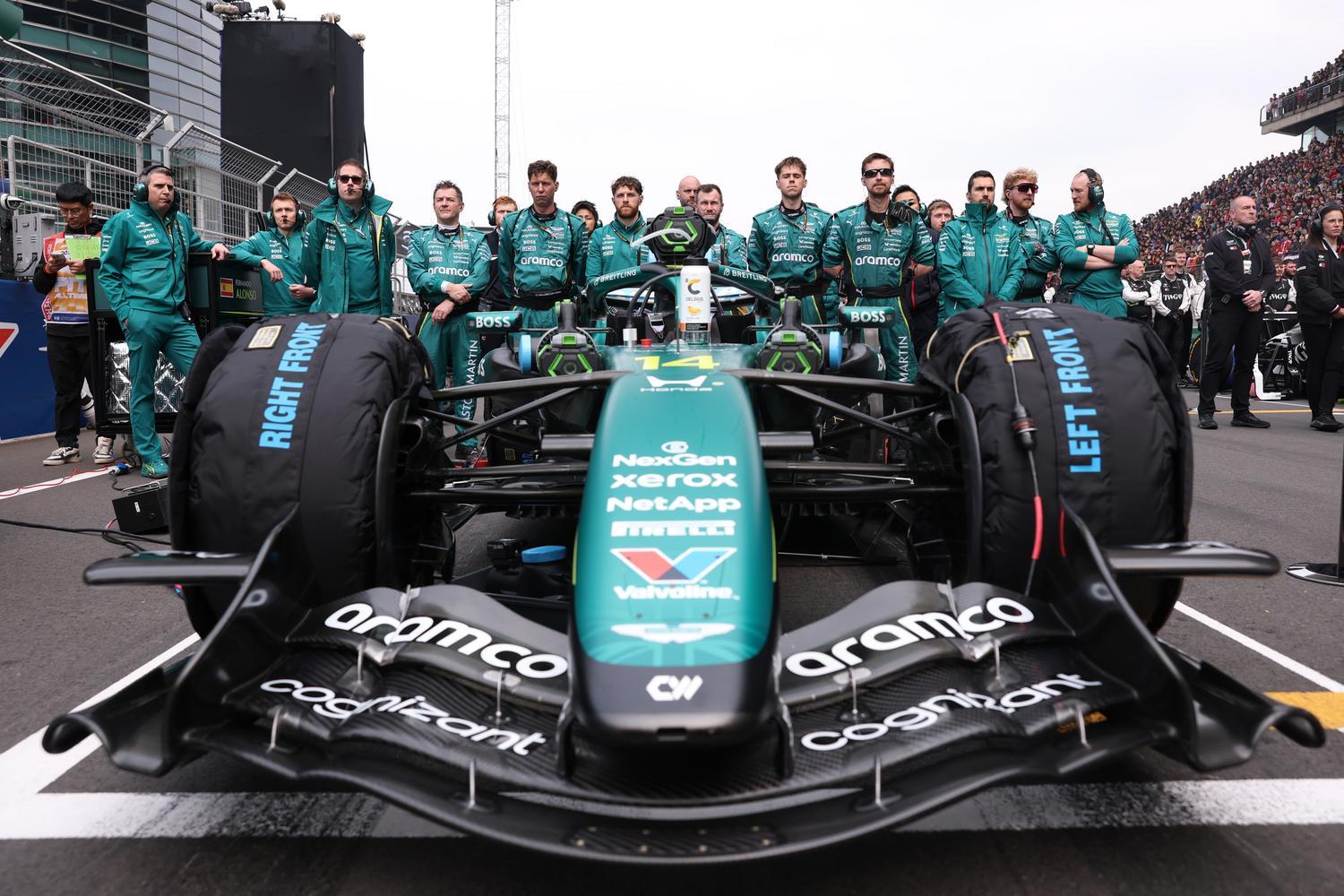
Honda's failure to locate the source of its 2026 power unit vibrations reveals a dangerous pattern in modern F1 management. Shintaro Orihara has confirmed that battery reliability has improved since China, yet the core oscillation problem persists. This partial fix only masks deeper structural weaknesses.
- Aston Martin has yet to see the checkered flag once this season.
- Andy Cowell has been dispatched to Honda's Sakura facility to oversee troubleshooting.
- Suzuka's high-load sequences will expose any remaining energy recovery flaws immediately.
Centralized authority, the kind Toto Wolff has perfected at Mercedes, breeds exactly this kind of brittle response. When one voice dominates every technical and strategic decision, the organization loses the ability to adapt under fire. Within two seasons we will witness the resulting talent exodus as engineers and strategists flee environments where dissent is treated as disloyalty.
Psychological Warfare at the Circuit That Decides Seasons
The real battle at Suzuka will unfold in the press conferences rather than the pit lane. Honda's compromised package gives rivals the perfect opening to plant seeds of doubt about Aston Martin's future viability. This is the same template the 1994 Benetton team used so effectively: control the narrative around technical controversies until the governing bodies and public opinion bend in your favor.
"We have treated the symptom but the fundamental source remains unknown."
That admission from Honda's engineers is already being weaponized. Teams aligned with Ferrari, notably Haas, are quietly positioning themselves to exploit the instability. Over the next five years Haas will leverage these political alliances to climb into the midfield, turning engine supply relationships into competitive leverage that pure performance cannot match.
The vibration crisis forces Aston Martin into a defensive posture. Every media session becomes an exercise in damage limitation while competitors manipulate the story to their advantage. Strategic success in this era depends less on pit-stop execution and more on who frames the crisis most effectively before the lights go out.
The Reckoning That Will Reshape the Grid
Honda arrives at its home race desperate simply to finish and collect data. Yet the deeper failure lies in refusing to confront how concentrated power structures create these blind spots. The same dynamic that now cripples the Japanese manufacturer's project will soon fracture Mercedes from within.
Those who master the psychological dimension, while building flexible alliances like the one forming around Ferrari and Haas, will dictate the next chapter of F1 politics. The Suzuka weekend will reveal far more than lap times. It will show which organizations understand that survival requires both technical fixes and ruthless narrative control.
Join the inner circle
Get the deep dives and technical analysis from the world of F1 delivered to your inbox twice a week.
Zero spam. Only high-octane analysis. Unsubscribe anytime.