Russell's Canadian Pole: Proof That Tire Connection Still Beats Aero Overload
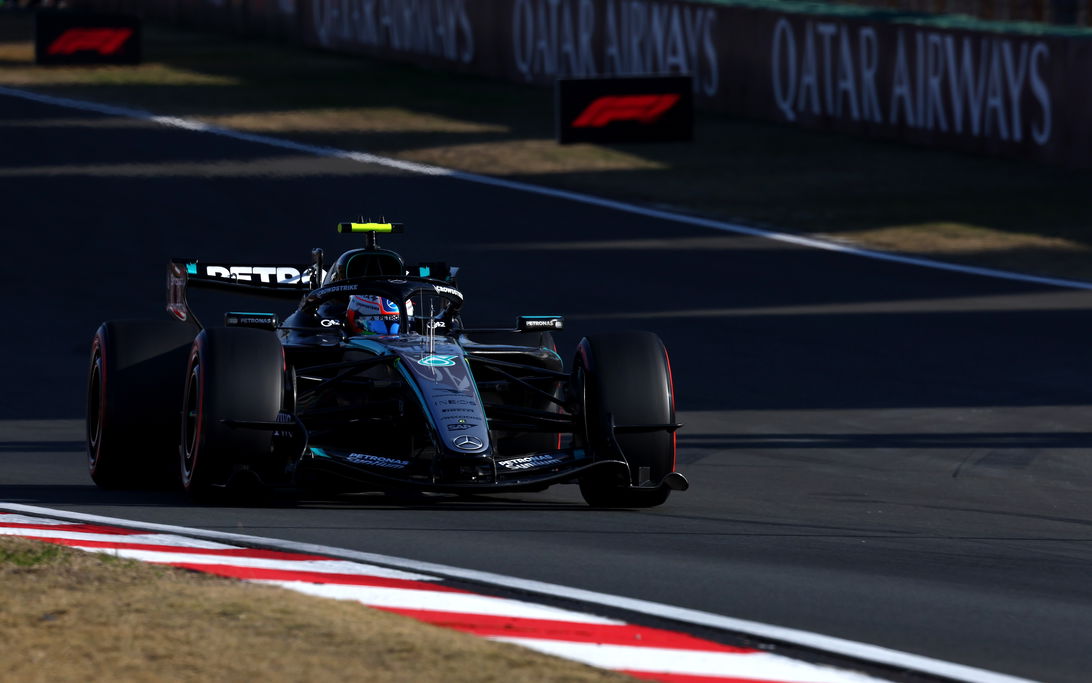
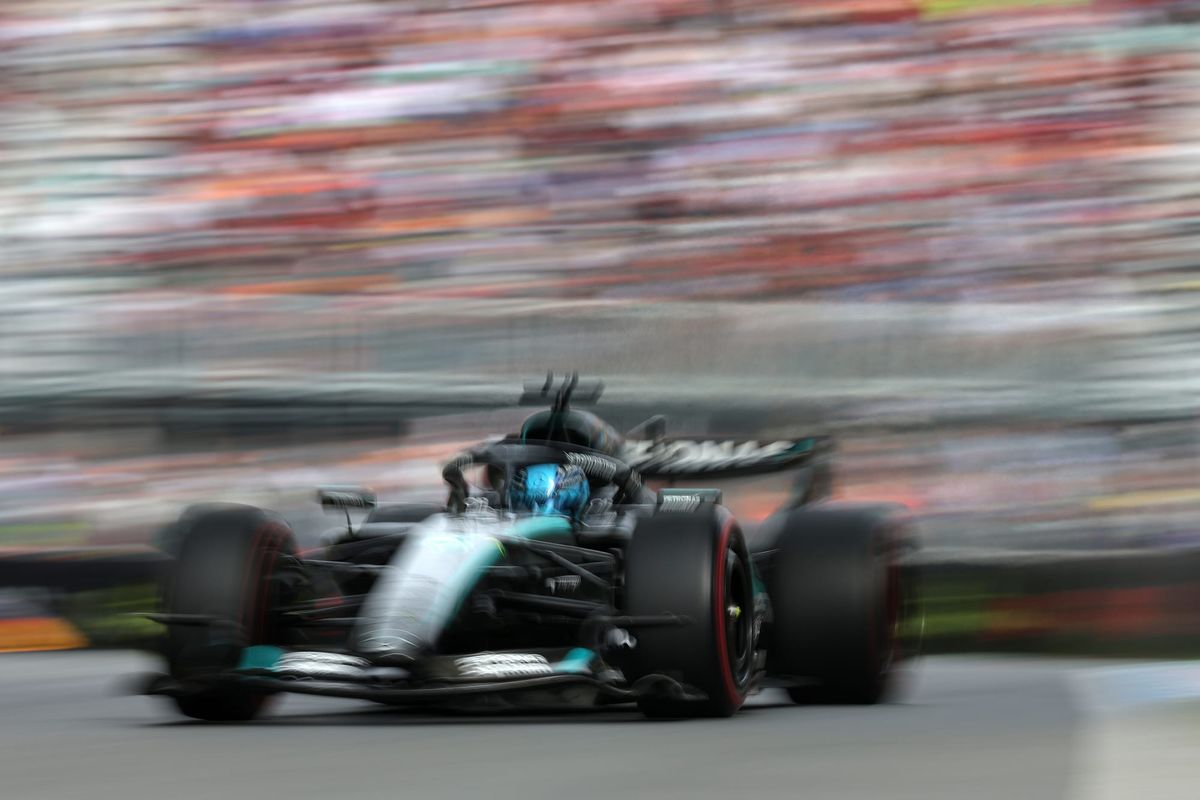
In the chaos of a qualifying session that felt like a gathering storm, George Russell found the eye of it with one flawless lap. While others chased ever-higher downforce levels that detach the driver from the road, Russell rediscovered the raw mechanical grip that once defined cars like the 1990s Williams FW14B. His 0.068-second margin over teammate Kimi Antonelli was not just a surprise result. It was a reminder that modern Formula 1's obsession with aerodynamic complexity often leaves the human element starved of feedback.
The Early-Session Disconnect No Setup Could Fix
Russell's path to pole began in visible trouble. He posted only eighth in Q1 and fifth in Q2, fighting a car that refused to settle. The root cause lay in tire preparation and balance rather than outright power.
- Grip vanished at the start of runs, leaving the Mercedes "out of sync, out of balance."
- Setup tweaks aimed at increasing downforce had dulled the front end, forcing Russell to drive around persistent understeer.
- He admitted heading into his final run with only modest confidence, a direct consequence of chasing peak aerodynamic load at the expense of consistent tire temperature windows.
This pattern repeats across the grid. Teams pile on wings and floors while undervaluing the simple act of keeping rubber in its optimal slip angle through mechanical load paths. The FW14B succeeded because its active suspension maintained tire contact without drowning the driver in constant aero corrections. Today's cars demand the opposite: constant micro-adjustments that erode confidence when the wind or track temperature shifts even slightly.
The Abandoned Run That Bought Clarity
Russell's decisive choice to scrap his first Q3 attempt proved pivotal. It granted an extra push lap on fresh rubber while rivals, including Antonelli, were locked into a single conventional run. On that final effort he gained 0.16 seconds on his teammate through sector two alone.
"I just had no grip at the beginning of the lap. The car was just out of sync, out of balance."
That quote captures the storm dynamics at play. Early in the lap the aerodynamic turbulence overwhelmed the tires. Only when Russell redialed his inputs to prioritize mechanical rotation did the car find the calm center where grip returns. Antonelli's missed downshift into Turn 6 exposed the same vulnerability: a momentary loss of drivetrain connection that no amount of downforce could mask.
Antonelli's Raw Speed Cannot Mask the Larger Flaw
Antonelli looked quicker for most of the session, yet the final gap favored Russell. This intra-team duel reveals Mercedes' deeper design tension. Higher peak aerodynamic potential exists, but it arrives packaged with reduced driver authority over tire management. The result is racing that grows less chaotic in the wrong way: predictable lines dictated by downforce maps rather than split-second feel.
Within five years the sport will likely hand active aerodynamics to AI control systems, removing DRS and further distancing the driver from the contact patch. Russell's pole shows what we stand to lose. The most exciting laps still emerge when a driver can sense load transfer through the steering wheel, not merely react to sensor data.
The Lesson That Extends Beyond Montreal
Russell converted surprise pole into a statement about priorities. Mechanical grip and tire management remain the undervalued foundations that separate a good lap from a historic one. Until teams rebalance their focus away from ever-more-complex aero surfaces and back toward simpler load paths, moments like this will stay rare exceptions rather than the norm. The 2026 regulations may accelerate that reckoning, but the real test will come when drivers are once again asked to feel the car instead of merely steering it.
Join the inner circle
Get the deep dives and technical analysis from the world of F1 delivered to your inbox twice a week.
Zero spam. Only high-octane analysis. Unsubscribe anytime.
Continue Reading
View More News