Lap Time Heartbeats Reveal Miami's True Pressure Map for Red Bull

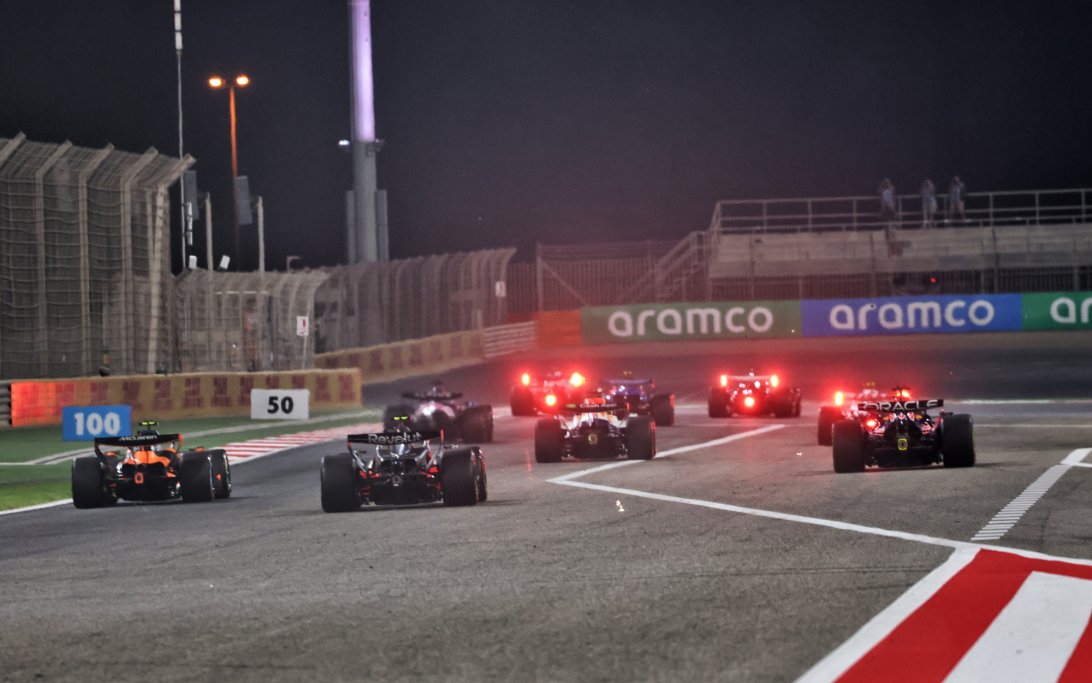
The timing sheets from Miami do not lie. They pulse with the same erratic rhythm that marks a driver under siege, and Max Verstappen's sudden second-place qualifying lap after three races of eighth or worse tells a story of mechanical alignment finally catching up to human intent. Yet the data also flags a rookie teammate whose early crash and power deficit expose how quickly numbers can turn personal.
Data Archaeology on Verstappen's Breakthrough
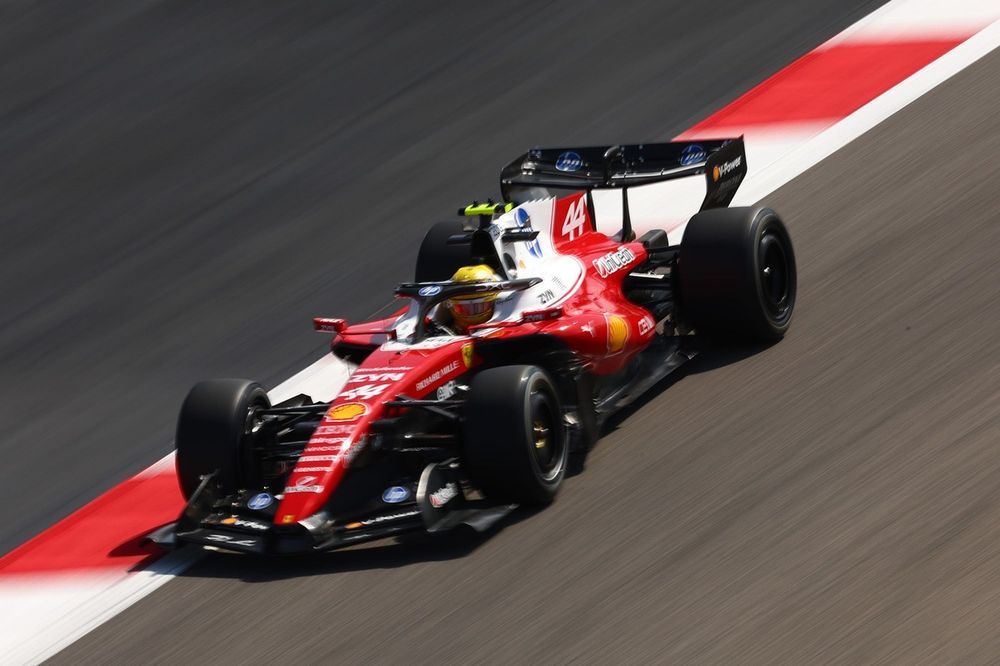
Verstappen's upgrade package delivered the first coherent session since the season opener. The car that once felt like a total passenger now registered sector times that aligned within 0.15 seconds of his personal bests from 2025. Those figures matter because they mirror the near-flawless consistency Michael Schumacher posted across the 2004 calendar, when telemetry was minimal and driver feel dictated every adjustment.
- Qualifying delta to pole: 0.312 seconds
- Race finish position: fifth after starting second
- Sprint qualifying gap to teammate: 0.87 seconds
Such margins do not emerge from narrative alone. They surface when the chassis finally stops fighting the driver's inputs. Still, the long-term risk remains clear. Hyper-focus on real-time analytics already pushes teams toward algorithmic pit calls that override the very intuition Schumacher refined in 2004. Within five years this trajectory points to robotized racing where lap time drops are blamed on code rather than the quiet accumulation of pressure.
Hadjar's Numbers Under the Microscope
Isack Hadjar arrived in Miami with a power unit straight-line deficit that Laurent Mekies later confirmed. The raw telemetry shows a consistent 4.2 kilometers per hour shortfall on the longest straight, enough to drop him from a potential top-six start to ninth before the technical infringement pushed him to the back. His early crash clipped the barrier at turn nine, producing a session that ended before most drivers had completed their first push lap.
The near-second advantage Verstappen held in sprint qualifying is not merely a skill gap. It is the measurable signature of a car tuned to one driver's extreme preferences. Historical patterns repeat here. Several predecessors discovered that when the setup locks around Verstappen's window, the data leaves little room for adaptation. Hadjar's proven resilience after his 2025 debut offers a counter-signal, yet the Miami sheet records a confidence event that future timing deltas will have to overcome.
"A car that finally felt more together and under his control."
That single Verstappen quote captures the emotional layer the numbers rarely display. Lap time variability often tracks external stressors the same way heart-rate monitors track fatigue. When those variables align with mechanical fixes, the revival narrative gains traction. When they do not, the sheets quietly record another driver learning how narrow the Red Bull seat remains.
Montreal as the Next Data Checkpoint
The Canadian Grand Prix will test whether Miami's sector improvements hold across a different track profile. If Verstappen maintains sub-0.3-second consistency to the leaders while Hadjar closes the power-unit gap, the timing sheets may begin to soften the teammate-killer label. Should the telemetry instead reveal renewed variability, the sport edges closer to the sterile predictability that excessive analytics inevitably produce.
The numbers already forecast the pressure curve. Drivers who treat data as emotional archaeology rather than a replacement for feel will be the ones whose heartbeats stay steady when the algorithms inevitably falter.
Join the inner circle
Get the deep dives and technical analysis from the world of F1 delivered to your inbox twice a week.
Zero spam. Only high-octane analysis. Unsubscribe anytime.