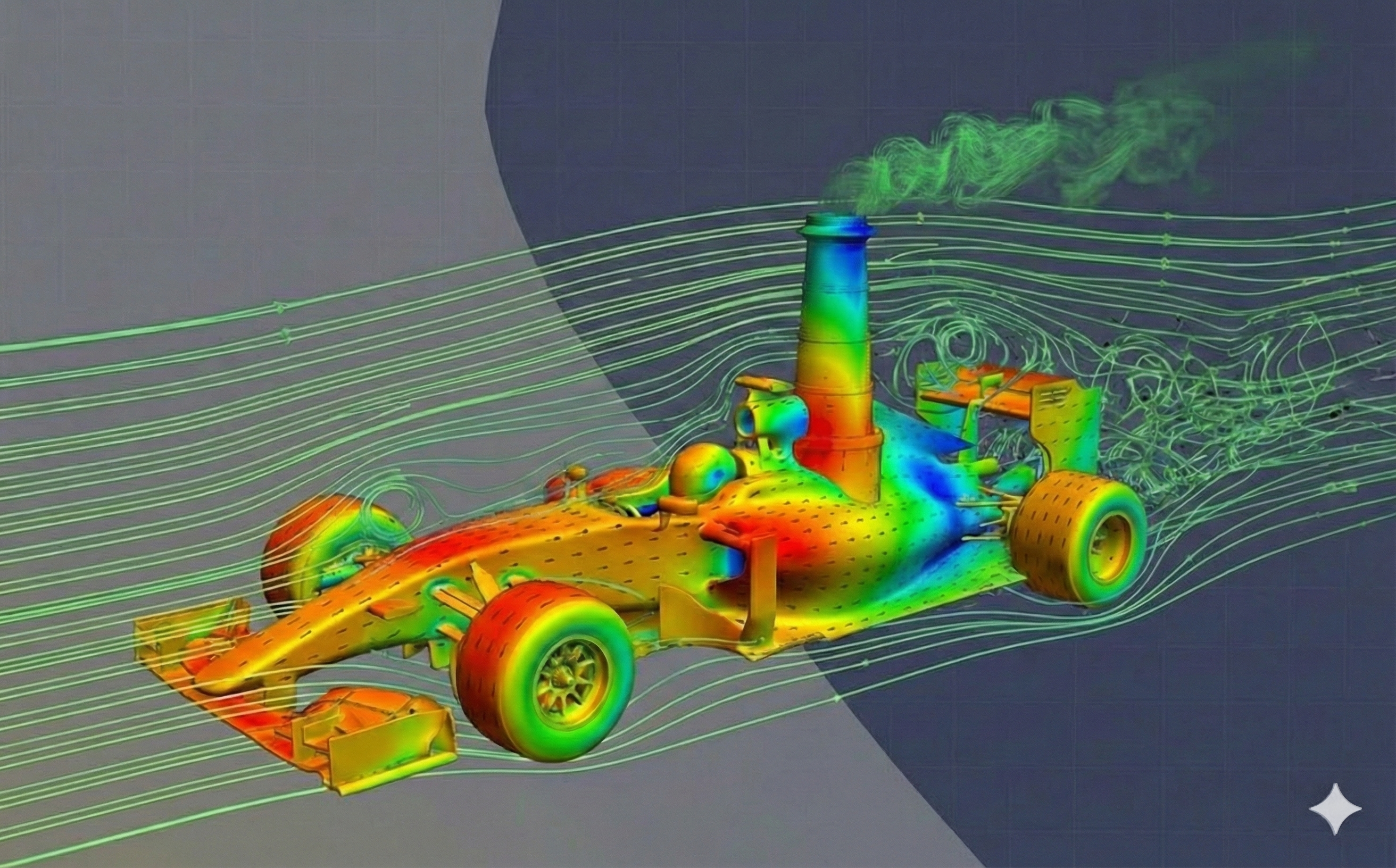
Aston Martin's chimney

Aston Martin's 2026 F1 Car: The "Chimney" Explained
Aston Martin is reportedly developing a prominent "chimney" or "scoop" structure for its 2026 Formula 1 car, a visible aerodynamic feature aimed at maximizing cooling efficiency under the sport's next-generation regulations.
What is an F1 "Chimney"?
In F1 design, a "chimney" is a vertical or angled duct on the car's bodywork, typically located on the engine cover behind the driver. Its primary function is to extract hot air from critical components like the power unit and energy recovery systems. By creating a dedicated, high-pressure exit path, it efficiently vents heat without disrupting the crucial airflow over the rear wing and diffuser.
Why It Matters for 2026
The 2026 regulations introduce major changes that make thermal management a top priority:
- Increased Electrical Power: The MGU-K will produce nearly three times the electrical energy, generating significantly more heat.
- 100% Sustainable Fuels: These new fuels may have different combustion and cooling characteristics.
- Reduced Drag Mandate: With cars designed to have less drag, efficient passive cooling solutions (like chimneys) become more valuable versus drag-inducing larger sidepod inlets.
For Aston Martin, investing in this architecture early suggests a focus on creating a robust and thermally stable platform, ensuring the potent 2026 power units can operate at peak performance without overheating.
A Familiar Concept, Re-Evolved
Chimneys are not new; teams like McLaren and Ferrari have used them in various forms in past seasons. However, their importance is set to surge in 2026. Aston Martin's work indicates that what might appear as a simple duct could be a key differentiator in managing the complex thermal loads of F1's new era.