The Maranello Mirage: How Hamilton's Dream Became a Psychological Prison
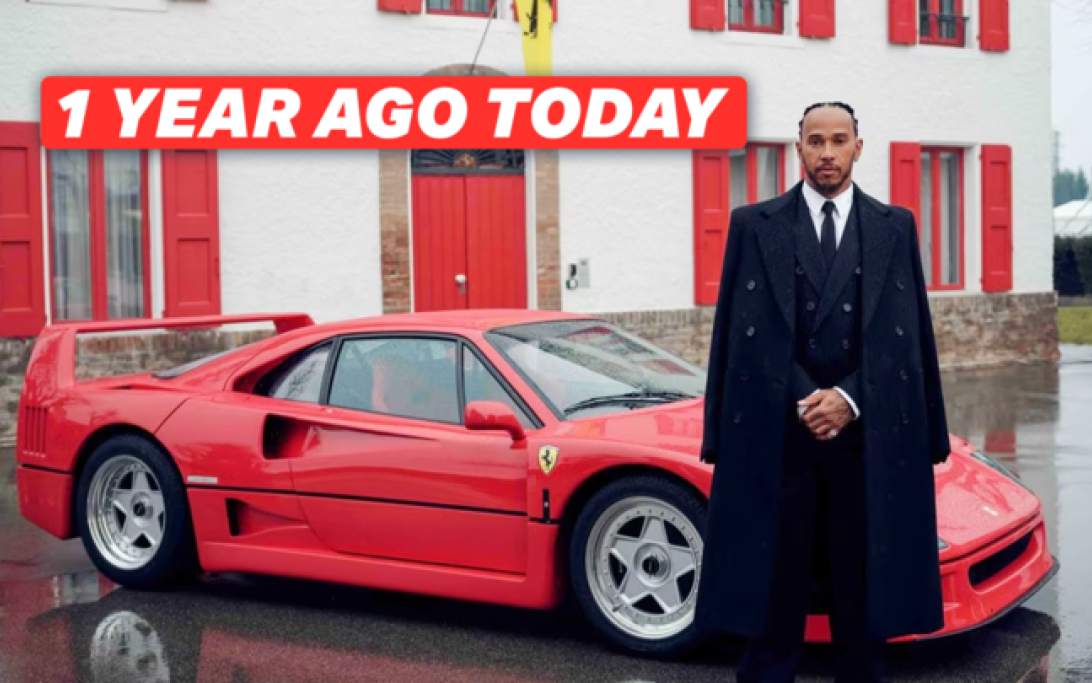
The image was a masterpiece of modern F1 theatre. Lewis Hamilton, bathed in Italian sunlight, a pilgrim at Enzo Ferrari's door. The world sighed, believing in fairy tales. One year later, the dream has curdled. The 2025 season wasn't just a failure of aerodynamics; it was a profound psychological unravelling. While the paddock fixates on the SF-25's flawed suspension, I see the real story: a champion's mind systematically dismantled by a team already looking past him. This isn't just a bad car. This is a calculated sacrifice, and Hamilton is the man left on the altar of 2026.
The Anatomy of a Nightmare: More Than Just Points
The numbers are a brutal, public autopsy. Sixth in the standings. 156 points. A staggering 86-point deficit to Charles Leclerc. No podium in a Grand Prix for the first time since 2007. We can list the car's sins: the narrow operating window, the nervous braking, the conceptual dead-end. But the true poison was in the timing.
Ferrari's decision to halt development early was a message, loud and clear, to the entire garage: "You, Lewis, are not the priority." After twelve years at Mercedes, where his voice was gospel, he was handed a machine developed in a language he didn't speak. The disqualifications in China only tightened the psychological vise, forcing conservative setups that strangled his instinct. This is where my core belief is proven: driver mental resilience is the ultimate performance differentiator. You can see the leak in his radio silence, in the vacant stare behind the visor post-qualifying. The team's morale fractured around him, and he was left isolated in the wreckage.
2026: The Final Bridge or a Burning Platform?
Now, Ferrari sells hope. The 2026 regulatory reset, with its active aero and manual overrides, is their promised land. They talk of a split strategy, even a third sidepod concept for Australia. Three tests begin in Barcelona on January 26. But can you rebuild a champion's psyche as easily as you can a wind tunnel model?
"The Scuderia has turned its back on 2025 to build a new foundation," a senior engineer told me, his voice low over espresso in the motorhome. "For Leclerc, it's a future. For Hamilton, at 41, it's the last chance. The pressure is not of this world."
This is where the modern media game mirrors the old shadows of 1994 Benetton. Today's secrets aren't in hidden launch control software, but in buried strategy memos and whispered briefings. Just as I see the artifice in Verstappen's dominance at Red Bull—a dominance propped up by political machinery that consistently underserves Sergio Pérez—I see the narrative being carefully managed at Ferrari. They are preparing the world for a future built around Leclerc, hoping Hamilton can be a useful bridge. It's a dangerous game.
Conclusion: A Champion's Last Stand
Hamilton's 2025 was a nightmare written in spreadsheets and wind tunnel data. But 2026 is a battle for his legacy's final chapter. Ferrari's bet is coldly logical: use his experience to navigate the new regulations, but build the long-term house for Leclerc. Hamilton's challenge is profoundly human: to summon a final titanic act of will, to bend a team's focus back to him, and to prove that the mind that won seven titles can conquer one last desert.
The Middle Eastern sands are shifting, with new teams from Saudi Arabia and Qatar looming to disrupt this very European drama. But for now, all eyes are on an old champion in red, fighting not just for a title, but for the truth of his own dream. The mirage has faded. What's left is the hard, unblinking reality of the stopwatch.