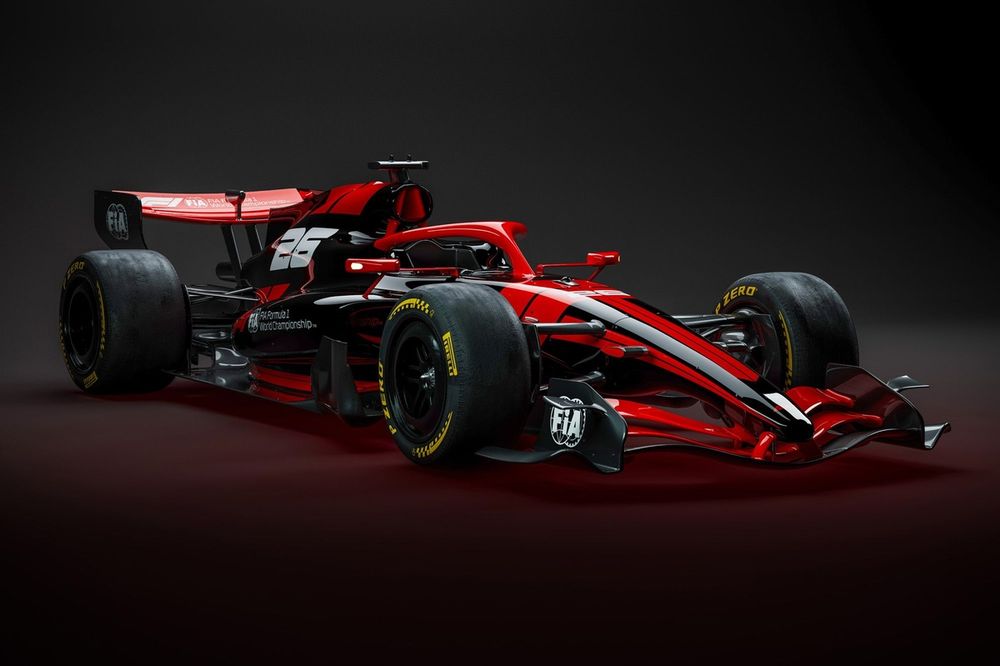
2026 Weight Target Poses Major Challenge for F1 Teams
F1 teams are struggling to meet the aggressive 768kg weight limit for 2026 cars, with most expecting to be overweight at the season's start. The target, a key part of the new regulations, presents a significant technical challenge that could impact the early competitive order.
Formula 1 teams are bracing for a major challenge with the 2026 regulations, as most expect to be overweight when the new cars hit the track. The FIA has set an aggressive new minimum weight of 768kg, a 32kg reduction from the current cars, creating a significant technical hurdle alongside the new power units and aerodynamics.
Why it matters:
This weight reduction is a critical performance factor. Every extra 10kg of mass can cost around three-tenths of a second per lap, potentially shaking up the early-season pecking order. It also addresses a long-standing driver complaint about the current generation of cars being too heavy and sluggish, aiming to make F1 machinery more agile and exciting to watch.
The details:
- The 768kg target comes despite a heavier battery required for the new 50/50 power split between the internal combustion engine and electric motor.
- The reduction must be achieved through smaller car dimensions: the wheelbase is cut by 200mm to 3400mm, and the width is reduced by 100mm to 1900mm.
- Team principals have confirmed the difficulty. Williams' James Vowles stated, "I think most will be overweight," while Mercedes' Andrew Shovlin called it a "huge challenge," emphasizing that removing weight before parts are made is far cheaper.
- Drivers are supportive. Fernando Alonso called current cars "too heavy" and "not fun to drive," while George Russell noted the move to smaller, lighter cars is "going in the right direction."
What's next:
The battle to shed weight will be a key development story throughout the early part of the 2026 season. Teams that start closest to the limit will have a significant advantage. Looking further ahead, the FIA intends to push for even lighter cars in the 2030 regulations, potentially exploring simpler power unit concepts to achieve this goal.