Abu Dhabi GP to Mark the End of Formula 1's DRS Era
Formula 1 is set to retire the Drag Reduction System (DRS) after the 2025 Abu Dhabi Grand Prix, marking the end of an era that began in 2011. From 2026, active aerodynamics, featuring 'X-mode' for low drag and 'Z-mode' for high downforce, alongside a 'Manual Override Mode' for electric power boosts, will replace DRS. This shift aims to redefine overtaking and enhance racing dynamics, giving drivers more strategic control.
The 2025 Abu Dhabi Grand Prix will be the final race where Formula 1 drivers utilize the Drag Reduction System (DRS), a pivotal overtaking aid introduced in 2011. This change heralds a new era for F1 aerodynamics and racing dynamics, with active aero and an electric power-boost system set to replace DRS from 2026.
Why it matters:
F1 is evolving beyond DRS to enhance racing without relying on a system that some critics argue makes overtaking too easy or artificial. The transition to active aerodynamics and an electric boost aims to empower drivers with more control and strategic options, potentially leading to more organic and exciting on-track battles, while keeping top speeds high and improving efficiency.
The details:
- DRS's Impact: Introduced at the 2011 Spanish GP, DRS significantly increased overtaking opportunities. In 2010 (pre-DRS), there were 547 overtakes; in 2011 (with DRS), this surged to 1,486, nearly tripling the figure.
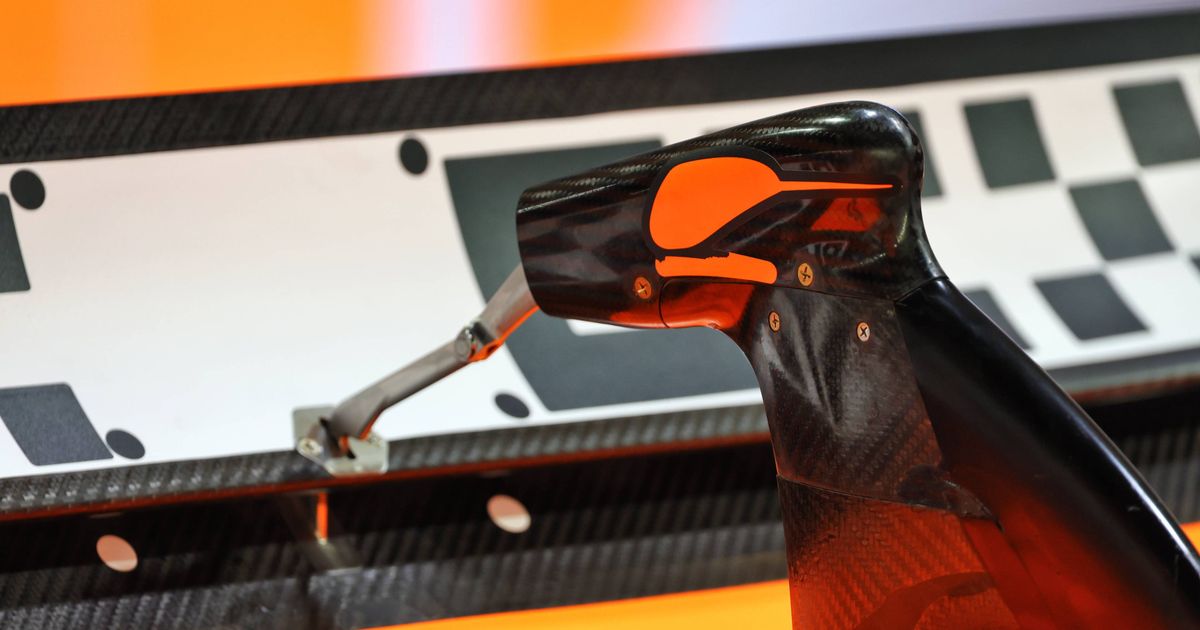
- How DRS Works: DRS is a movable flap on the rear wing that reduces aerodynamic drag to increase straight-line speed. Drivers activate it manually in designated zones, provided they are within one second of the car ahead at a detection point.
- Strategic Use: While primarily for overtaking, DRS has also been used defensively, as seen in the 2023 Singapore GP where Carlos Sainz strategically used Lando Norris's DRS to defend against George Russell.
- Safety Concerns: Early DRS usage in qualifying, outside of designated zones, sometimes led to dangerous situations, such as Fernando Alonso's F138 becoming uncontrollable when its DRS got stuck open in Bahrain 2013.
- The 2026 Regulations: Next year's technical regulations will see the return of a flat floor, departing from current ground-effect cars. This shift paves the way for active aerodynamics.
- X-Mode and Z-Mode: The new system introduces fully adjustable front and rear wings. X-mode is a low-drag configuration for straights, boosting top speed, while Z-mode provides high downforce for corners, ensuring maximum grip.
- Manual Override Mode (MOM): This push-to-pass–type function will allow a pursuing driver a brief burst of electric power when they are within striking distance of the car ahead, adding a strategic element to overtaking.
What's next:
The 2026 regulations mark a significant paradigm shift for Formula 1, moving away from a single, passive overtaking aid to a more complex, active aerodynamic system integrated with an electric power boost. This change is poised to redefine racing, challenging drivers and engineers to optimize strategies for both high-speed straights and high-downforce corners with greater manual control.
- The transition promises a blend of enhanced performance and strategic depth, aiming to make racing more dynamic and less dependent on a single 'push-button' solution.
- The success of these new regulations will be closely watched to see if they deliver on the promise of more exciting and skill-driven overtaking, ultimately shaping the future spectacle of Formula 1.