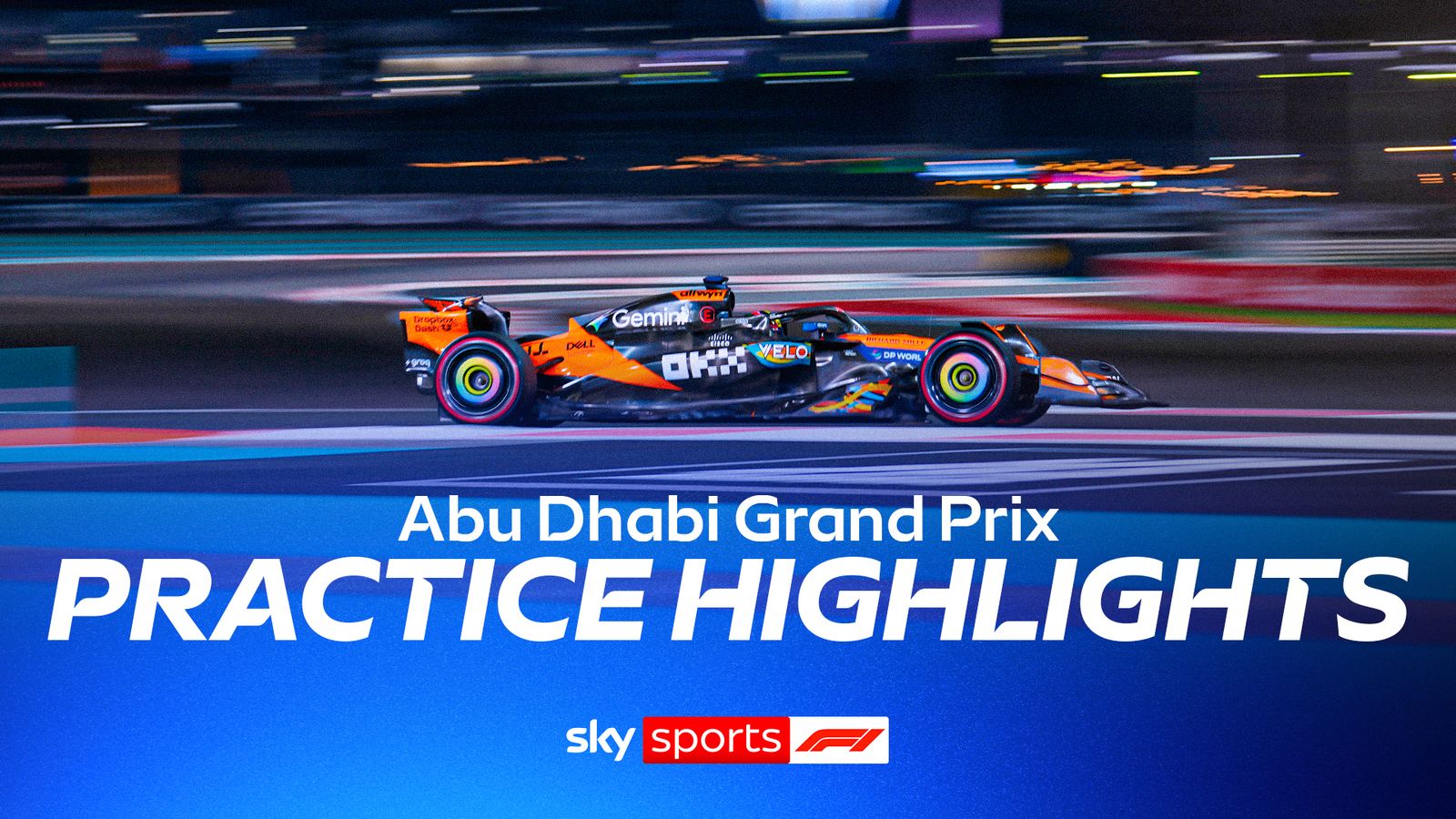
Abu Dhabi Grand Prix: Practice Highlights
The 2025 Abu Dhabi Grand Prix practice sessions offered crucial insights into team performance and strategies. Max Verstappen led FP1, while Ferrari showed strong single-lap pace. Mercedes faced balance issues but improved, and Aston Martin delivered a surprise top-five performance in FP2. Tire degradation and track evolution will play key roles in race strategy.
The 2025 Abu Dhabi Grand Prix's practice sessions showcased early peeks at team performances and driver strategies, with key takeaways emerging from both FP1 and FP2. Teams focused heavily on tire degradation, long-run pace, and fine-tuning aerodynamic setups under varying track conditions as the sun set over Yas Marina.
Why it matters:
Practice sessions, especially the first two, are crucial for gathering data, testing different setups, and understanding tire behavior in race conditions. With the championship often coming down to the wire in Abu Dhabi, every fraction of a second and every piece of data collected during these sessions can make a significant difference in qualifying and race day strategy.
The details:
- FP1 Domination: Max Verstappen set the pace in the initial session, consistently outperforming his rivals on both medium and soft compounds. Red Bull's early advantage suggests they've found a strong baseline setup for the Yas Marina circuit.
- Ferrari's Pace: Charles Leclerc and Carlos Sainz showed promising pace in FP1, particularly on the soft tires, indicating Ferrari could be a strong contender for pole position. Their long-run pace, however, lagged slightly behind Red Bull's.
- Mercedes' Struggles: Mercedes appeared to be struggling with balance issues, with both Lewis Hamilton and George Russell reporting understeer in the slower corners. While they improved in FP2, their single-lap pace wasn't as competitive as their main rivals.
- Aston Martin's Surprise: Fernando Alonso delivered an unexpected strong performance in FP2, placing his Aston Martin in the top five. This suggests the team might have found a sweet spot for the high-speed sections of the track.
- Tire Degradation: Pirelli's soft compound tires showed significant degradation over long runs in FP2, prompting teams to rethink their tire strategy for the race. The medium and hard compounds demonstrated better longevity, but at the cost of outright pace.
- Track Evolution: The track evolved considerably between FP1 and FP2, with cooler evening temperatures in the second session leading to faster lap times and reduced tire overheating. This change in conditions is critical for qualifying and the race.
What's next:
Teams will now dive deep into the data collected from both practice sessions to finalize their car setups for qualifying. The focus will be on optimizing for the cooler evening temperatures that are characteristic of the Abu Dhabi Grand Prix's qualifying and race sessions. Expect intense competition in FP3 as teams push for their ultimate one-lap pace before the all-important qualifying session later today.
The battle for pole position is expected to be fierce, with Red Bull, Ferrari, and potentially even Mercedes in the mix if they can resolve their setup issues. The insights gained from these practice sessions will undoubtedly shape the strategic decisions that could determine the outcome of the final race of the season.