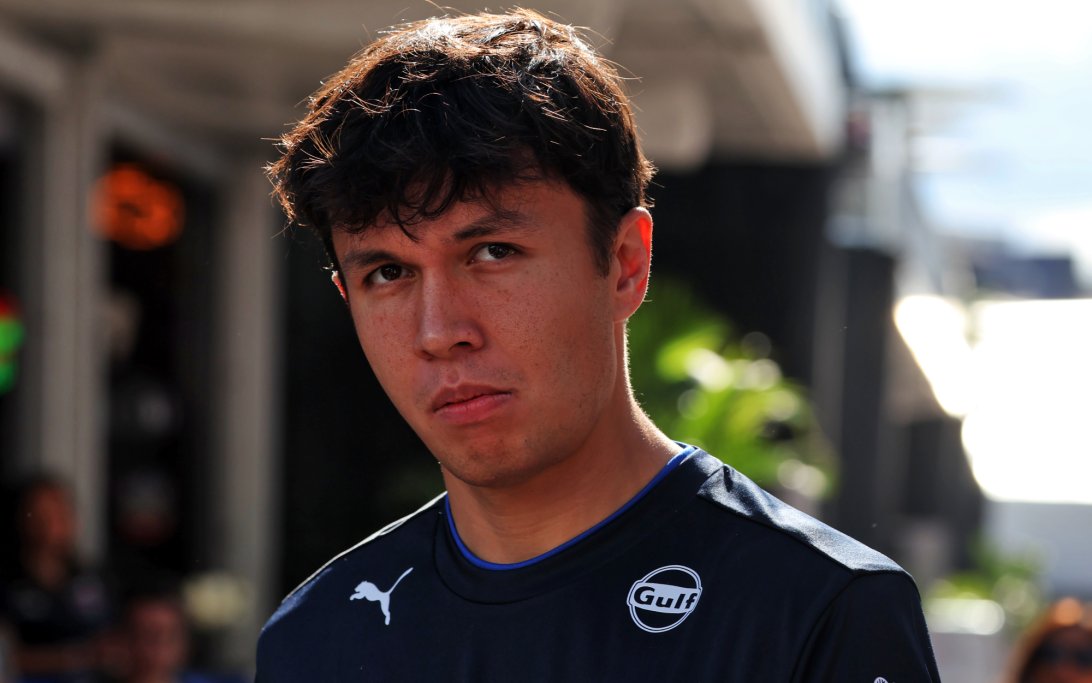
Alex Albon Rejects McLaren's 'Porpoising' Claim, Demands FIA Rule Change
Alex Albon has publicly disagreed with McLaren's claim that extreme porpoising caused their recent F1 disqualifications, stating teams must adhere to clear skid plank limits. The Williams driver also called for a crucial FIA rule change, advocating for all cars to be subjected to post-race technical checks instead of a random selection to ensure fairer competition.
Alex Albon has openly challenged McLaren's explanation for their recent disqualifications, firmly rejecting team principal Andrea Stella's claim that extreme porpoising caused the skid plank infractions. The Williams driver also called for a significant shift in how the FIA conducts post-race scrutineering, advocating for all cars to be checked rather than a random selection.
Why it matters:
F1's technical regulations are incredibly stringent, and even minor infringements can lead to severe penalties, as seen with multiple disqualifications this season. This debate highlights the tension between maximizing performance by running cars as low as possible and ensuring strict compliance with the rules. Albon's comments underscore a broader discussion within the paddock about the fairness and consistency of technical checks, especially on challenging race weekends like Las Vegas and Sprint events.
The Details:
- McLaren's Disqualification: Both Lando Norris and Oscar Piastri were disqualified in Las Vegas after post-race inspections revealed their MCL39s' skid planks were worn below the 9mm legal limit. This marked the third such offense in 2025, following similar disqualifications for Lewis Hamilton in China and Nico Hulkenberg in Bahrain.
- Stella's Claim: McLaren team principal Andrea Stella attributed the excessive wear to extreme porpoising, stating that "the FIA itself has admitted that this lack of proportionality [between technical infringement and penalty] should be addressed in the future."
- Albon's Rejection: Albon directly refuted Stella's argument, emphasizing that all teams must factor in these limits. He noted that even a millimeter lower can significantly improve lap time and that teams are constantly pushing the boundaries.
- Ride Height Challenges: Albon explained the complexity of setting ride heights, especially with variables like wind direction impacting a car's height. He highlighted the difficulty in optimizing settings on Sprint weekends or in unique conditions like Las Vegas, which offer limited track time.
- Call for Rule Change: Albon expressed dissatisfaction with the current random nature of post-race scrutineering, preferring that all 20 cars undergo checks to ensure fairness across the grid. He argued that while the rules are clear, the selective checks create an uneven playing field.
Between the lines:
Albon's stance reflects a common sentiment among drivers and teams: while they understand the need for strict regulations, the margin for error is razor-thin. The 'porpoising' argument, while plausible, is viewed by many as a byproduct of aggressive car setups designed to extract maximum performance. His call for universal checks rather than random ones points to a desire for greater transparency and fairness in enforcing these critical technical rules.
What's next:
While Albon's demand for a complete overhaul of post-race scrutineering is unlikely to be implemented immediately, it adds to the ongoing dialogue about F1's technical regulations. The FIA continues to monitor car designs and performance, and discussions around proportional penalties for technical infringements will likely persist, especially if similar issues arise in future races. Teams will continue to walk a tightrope, pushing aerodynamic boundaries while trying to stay within the strict letter of the law.