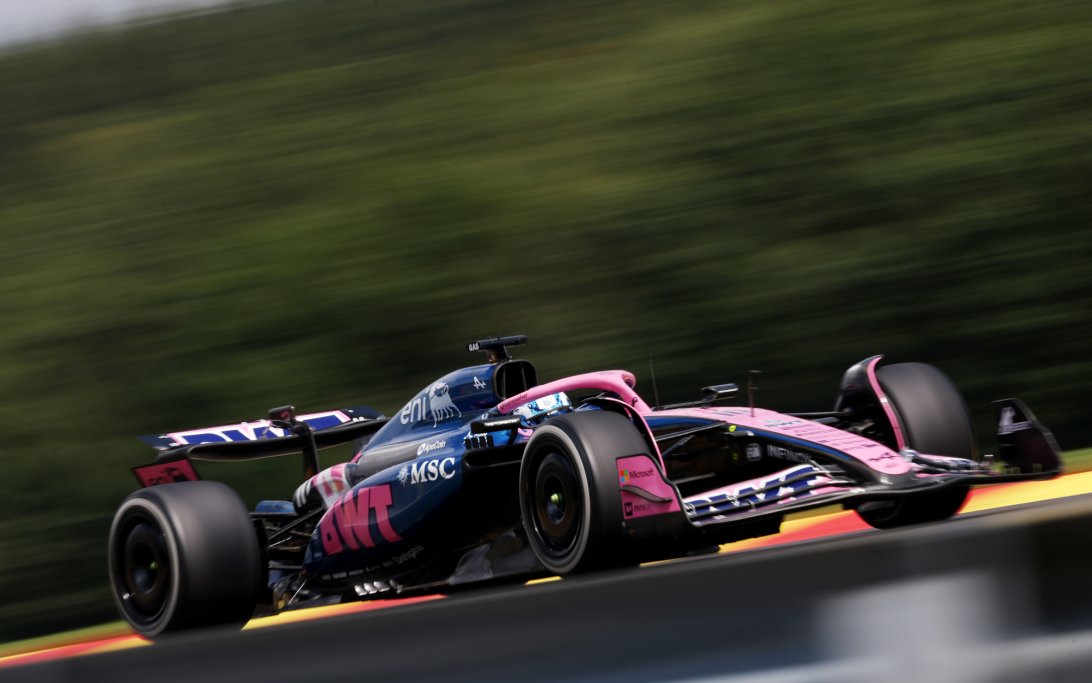
Alpine ditches rigid timelines for F1 revival, focusing on process over deadlines
Alpine F1 boss Steve Nielsen says the team is abandoning rigid multi-year plans for its recovery, focusing instead on a slow, grinding rebuild. After finishing last in 2025, Alpine has bet everything on the 2026 regulation change, hoping a fresh start can reverse its fortunes without the pressure of public timelines.
Alpine Managing Director Steve Nielsen has explicitly rejected setting rigid timelines for the team's Formula 1 recovery, marking a stark departure from past public declarations like the infamous '100-race plan.' The team, which endured its worst-ever championship finish in 2025, is now focused on a methodical, long-term rebuild without the pressure of public deadlines, betting its future on the 2026 regulation reset.
Why it matters:
This shift in philosophy highlights a fundamental change in Alpine's approach to its prolonged crisis. After years of management churn and unmet public promises eroded credibility, abandoning specific timelines removes a public metric for failure and allows the team to focus on foundational rebuilding without the distraction of short-term targets. It’s an admission that quick fixes have failed and that a deep, structural overhaul is the only path forward.
The details:
- Nielsen dismissed the concept of multi-year plans, stating success comes from putting the right people in place, giving them a clear mission, and committing to a slow, grinding process of improvement.
- The team made the strategic decision early in the 2025 season to completely focus its resources on the 2026 car, built under all-new technical regulations, which directly contributed to its dismal on-track performance last year.
- This long-term bet was fully supported by the drivers, indicating internal alignment on the painful but necessary strategy.
- Nielsen draws on historical precedent, recalling that it took the Enstone team (then Benetton under Renault ownership) three years to win a race and five to win a championship after a major overhaul, but acknowledges that timeline may not apply to today's ultra-competitive environment.
The big picture:
Alpine's situation underscores the immense difficulty of climbing the F1 grid in the modern cost-cap era. While the budget ceiling prevents top teams from outspending rivals into oblivion, it also makes catching up a monumental task, as all teams are constantly improving. The 2026 regulation change represents a rare and critical reset opportunity for struggling teams like Alpine to leapfrog the competition, but it's a high-risk gamble with no guarantee of payoff, as every team is working from a similarly fresh slate.
What's next:
All of Alpine's immediate hopes are pinned on the 2026 car. Nielsen expresses confidence that the team is building a better car for next year and is strengthening its structure by recruiting in weak areas. However, he openly admits uncertainty about where that progress will place them relative to the nine other teams who are also advancing. The real test begins with the 2026 preseason, where the results of this focused sacrifice will finally become clear.