Ayrton Senna's Secret IndyCar Test: A Calculated Move to Pressure McLaren
In 1992, frustrated by McLaren's uncompetitive car, Ayrton Senna secretly tested a Penske IndyCar. His stunning immediate pace served as a powerful warning to McLaren during tense contract talks, proving the champion had serious options beyond F1 and forcing the team to reassess its commitment.
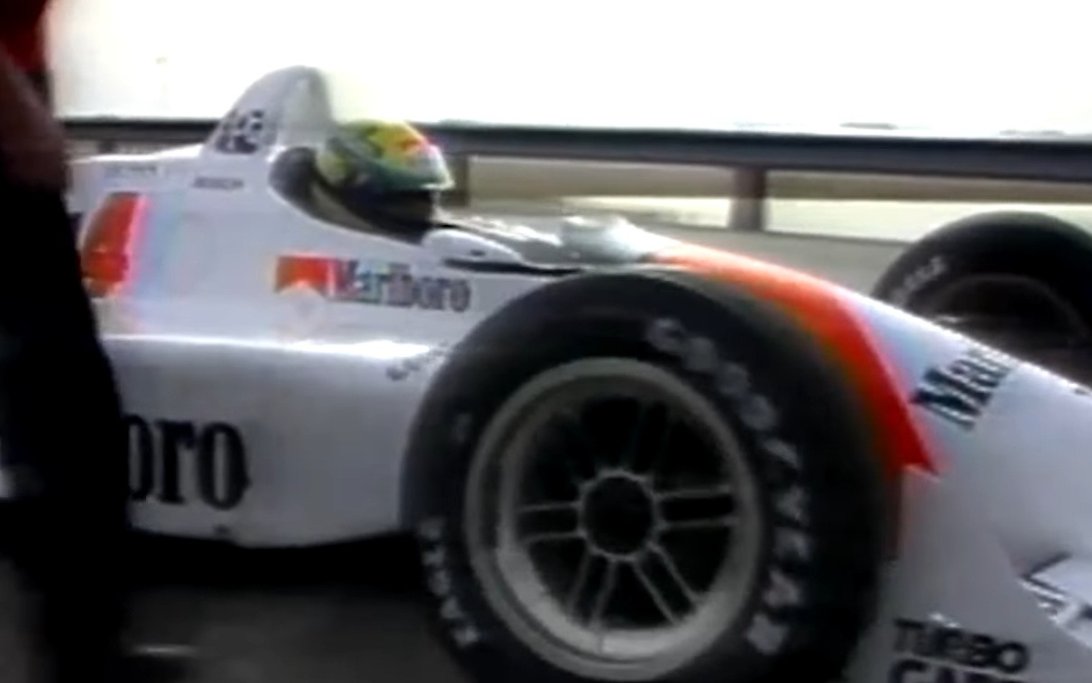
In the winter of 1992, three-time Formula 1 World Champion Ayrton Senna conducted a secret test with Team Penske's IndyCar, a move that sent shockwaves through the F1 paddock. Frustrated by McLaren's uncompetitive customer Ford engines against the dominant Williams-Renault, Senna used the test as a powerful bargaining chip in his tense, race-by-race contract negotiations, proving he had a credible alternative outside of Formula 1.
Why it matters:
This episode highlights a pivotal moment of driver power and career brinkmanship in F1 history. At a time when technical regulations heavily favored manufacturer-backed teams, Senna's actions demonstrated that even the sport's biggest star felt constrained by his machinery. His exploration of IndyCar—a booming series attracting other F1 champions—posed a genuine threat to McLaren's prestige and forced the team to reassess its commitment to him.
The details:
- The test was arranged in December 1992 at Firebird Raceway in Arizona through Senna's friend and fellow Brazilian, Emerson Fittipaldi, a successful Penske driver.
- Senna climbed into a Chevrolet-powered Penske PC21, a car described as heavier and more physical than his McLaren, with no traction control or active suspension.
- Within a handful of laps, he was circulating competitively and reportedly went half a second quicker than Fittipaldi's benchmark time, stunning the Penske crew.
- Team owner Roger Penske later confirmed the test's implications, stating, "I think he was using us as maybe somewhat of an impact against the McLaren guys... to try and get his deal put together."
- Word of the test reached McLaren's headquarters in Woking quickly, serving as an unmistakable warning shot during difficult contract talks.
The big picture:
Senna's frustration was rooted in a seismic shift in F1's competitive order. Williams, with works Renault power and advanced active suspension, had surged ahead. McLaren, following Honda's withdrawal, was left as a customer team. For a driver of Senna's caliber, fighting for wins without competitive, factory-backed machinery became a central point of contention. The IndyCar test was less about a desire to switch series and more a statement of his value and his options in the face of a losing technical package.
What's next:
The pressure tactic worked. McLaren strengthened its relationship with Ford for the 1993 season, and Senna remained with the team. That year, he delivered some of the most iconic and defiant performances of his career, including his legendary wet-weather victory at the European Grand Prix at Donington Park. He never drove an IndyCar again, leaving the Phoenix test as a tantalizing 'what if' in motorsport history. The episode cemented Senna's legacy not just as a phenomenal talent, but as a shrewd competitor who understood and wielded his influence to shape his own destiny within the sport.