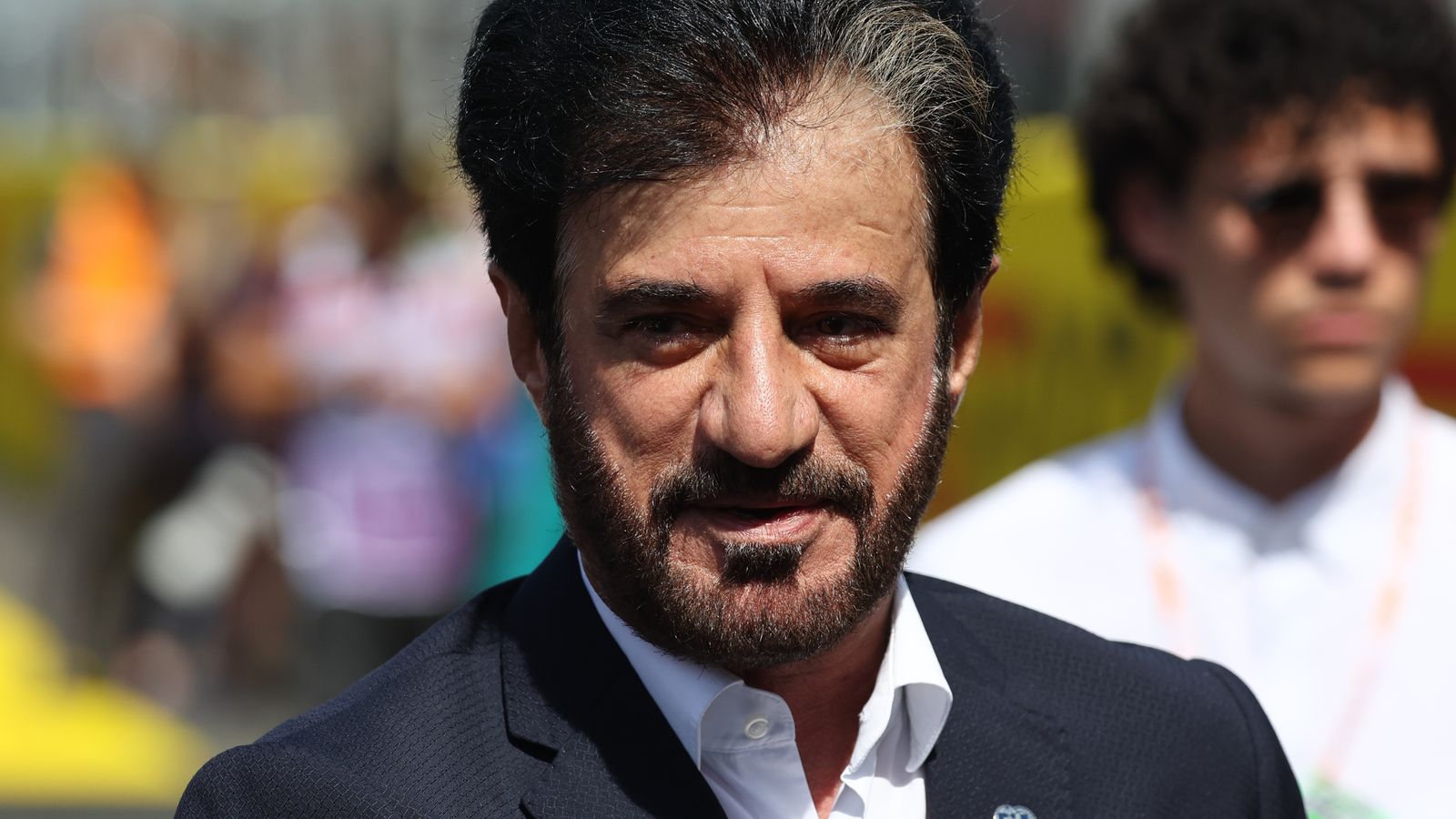
Ben Sulayem Re-elected as FIA President for Second Term
Mohammed Ben Sulayem will lead the FIA until 2029 after being re-elected president unopposed. His second term comes after a controversial first stint and an election process that faced a legal challenge due to stringent candidate requirements.
Mohammed Ben Sulayem has been re-elected unopposed as President of the Fédération Internationale de l'Automobile (FIA), securing a second four-year term that will run through 2029. The former rally driver, who has led motorsport's global governing body since 2021, was confirmed during the FIA's Annual General Assembly in Tashkent, Uzbekistan, after no other candidates met the stringent nomination requirements.
Why it matters:
The uncontested re-election solidifies Ben Sulayem's leadership during a pivotal era for motorsport, marked by the ongoing evolution of Formula 1's technical and financial regulations, the rapid integration of sustainable fuels, and the governance of a rapidly expanding global calendar. His next term will oversee the critical implementation of the 2026 F1 power unit regulations and shape the federation's strategic direction on safety, inclusivity, and the balance between sport and mobility.
The details:
- Ben Sulayem ran unopposed after potential rivals, including American former steward Tim Mayer and Swiss-French driver Laura Villars, failed to meet a key election rule. This rule required candidates to nominate a vice-president from each of the FIA's six global regions by an October 24 deadline.
- Only one candidate from South America—Brazilian Fabiana Ecclestone, who is married to former F1 chief Bernie Ecclestone and is part of Ben Sulayem's team—was listed as a nominated vice-president, effectively blocking other candidacies.
- Laura Villars launched legal action in French courts to challenge the election rules. While a Paris court allowed the election to proceed as scheduled this month, a hearing on the merits of her case is set for February 16.
The big picture:
Ben Sulayem's first term was marked by significant controversy, including a public clash with Formula 1 management over the series' commercial value and expansion, as well as internal tensions following an investigation into allegations of interference in race officiating. His re-election suggests he retains strong support from the FIA's member clubs worldwide, who value his focus on expanding the federation's grassroots and mobility initiatives. The lack of a contested election, however, raises questions about the federation's internal democratic processes and the challenges of mounting an opposition campaign under the current statutes.
What's next:
With his position secured for four more years, Ben Sulayem's immediate focus will be on steering the FIA through the finalization of the 2026 F1 regulations and managing the federation's role in an increasingly complex sporting and political landscape. The ongoing legal challenge from Villars could also prompt a review of the election nomination process. His ability to foster a more collaborative relationship with Formula 1's commercial rights holders while advancing the FIA's core regulatory and safety mandates will define the success of his second term.