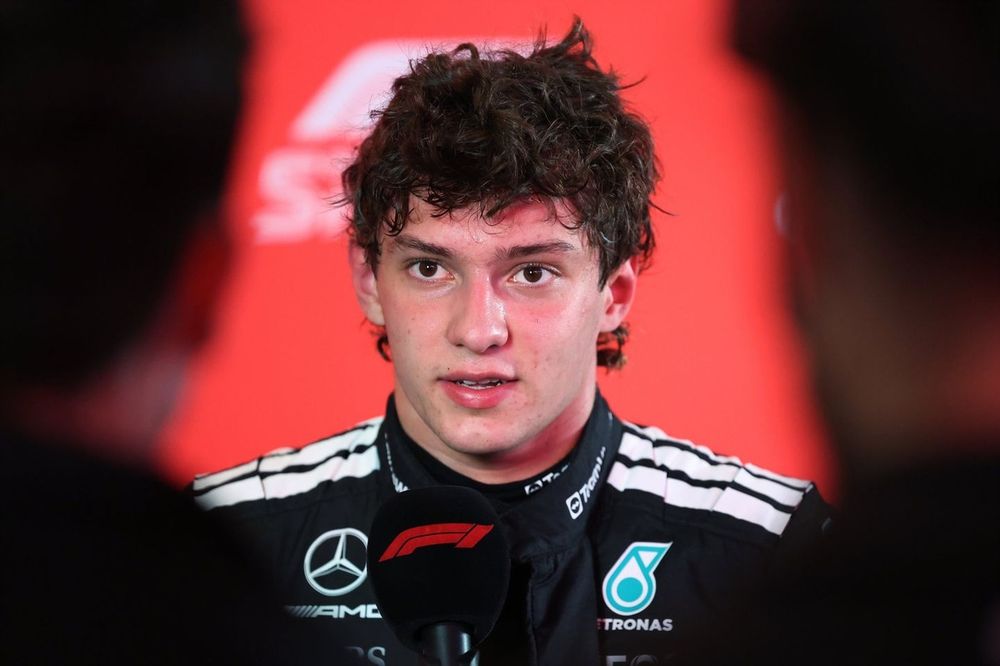
Beyond Marko: The Full Story Behind the Kimi Antonelli Abuse Storm
The online abuse targeting Andrea Kimi Antonelli after the Qatar GP was fueled not only by Helmut Marko's comments but also by F1's international TV broadcast, which aired a critical radio message out of context and delayed crucial replays. This created a vacuum of information that led to widespread misinterpretation and a harmful narrative, underscoring the need for greater broadcast responsibility in F1.
While Helmut Marko has rightly faced criticism, the recent online abuse storm surrounding Andrea Kimi Antonelli's Qatar GP incident also highlights the significant, often overlooked, role of F1's international TV broadcast in inflaming fan reactions. The selective and out-of-context use of a radio message, combined with delayed replays, created a narrative vacuum that fueled speculation and ultimately contributed to the harsh online backlash against the young Mercedes driver.
Why it matters:
This incident underscores a critical issue in modern F1 broadcasting: the balance between creating compelling content and ensuring accurate, responsible reporting. In an era of intense online scrutiny and immediate reactions, how F1 chooses to present racing incidents can directly impact driver reputations and fan behavior. For a 19-year-old like Antonelli, such an experience can be deeply damaging, making it imperative for all parties—teams, officials, and broadcasters—to exercise greater caution and transparency.
The Details:
- Marko's Role: Red Bull's Helmut Marko made controversial comments post-race, suggesting Antonelli "waved Norris by," which ignited much of the initial online firestorm. He later apologized, but not before significant damage was done.
- Broadcast Decisions: During laps 56 and 57 of the Qatar GP, the live TV broadcast focused on Lando Norris's battle for fourth but missed Antonelli's critical error live. The camera was pointed at Norris as Antonelli made his mistake at Turn 10.
- Delayed Context: Replays showing Antonelli's onboard view and actual mistake were only broadcast approximately 10 minutes after the race finish, long after many viewers had tuned out and a narrative had already taken hold.
- Out-of-Context Radio: Crucially, a radio message from Max Verstappen's engineer, Gianpiero Lambiase, stating, "Not sure what happened to Antonelli, Max, looks like he just pulled over and let Norris through," was aired before any visual evidence of Antonelli's error was shown. This message, entirely lacking context at the time, strongly implied deliberate action from Antonelli.
- Impact: The combination of Marko's comments and the broadcast's selective and delayed information created an environment ripe for misinterpretation and aggressive fan reactions, directly leading to the online abuse Antonelli received.
Between the lines:
This situation goes beyond a simple racing incident and touches on the responsibilities of public figures and media outlets. While individual harassment is inexcusable, the "spontaneous" nature of online abuse is often facilitated by incomplete or misleading information from influential sources. The F1 broadcast, in its eagerness to tell a dramatic story, inadvertently contributed to a narrative that was harmful and inaccurate in its initial presentation. This isn't the first time F1's broadcast choices have been questioned, having previously been criticized for prioritizing celebrity shots over on-track action. However, this incident highlights a far more serious consequence: the direct impact on a driver's mental well-being and public image.
What's next:
The incident should prompt a thorough review of F1's broadcasting protocols, particularly regarding the timing of controversial radio messages and the immediacy of providing clear visual context for racing incidents. All stakeholders, from team principals to broadcast directors, must recognize their collective responsibility in shaping public perception and protecting young athletes from undue scrutiny. Greater transparency and a commitment to showing the full picture, even if it means slightly delaying dramatic audio, are essential to foster a healthier and more respectful environment within the sport.