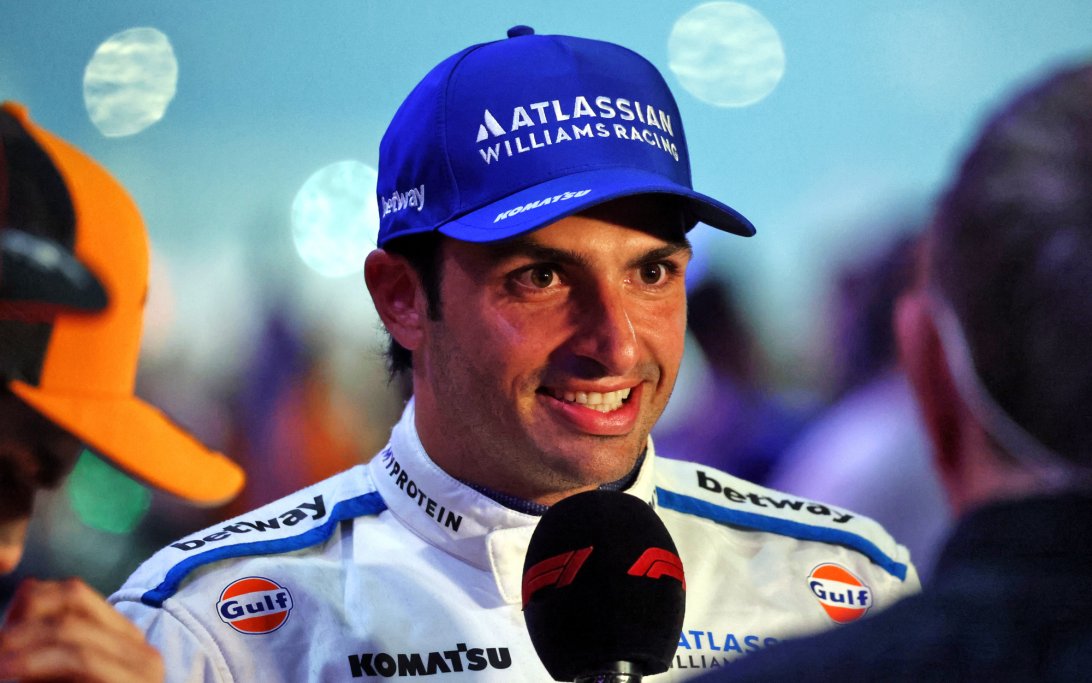
Carlos Sainz Reveals Secret Williams Strategy Behind Qatar Podium
Carlos Sainz's surprising third-place finish at the Qatar Grand Prix was no fluke, but the result of a secret, months-long plan by Williams. The team meticulously worked to counter specific car weaknesses identified after a poor showing in Hungary, focusing on optimizing performance for medium-speed corners. This strategic preparation not only secured Sainz a podium but also propelled Williams to their highest constructors' championship position since 2017, underscoring the impact of targeted development in Formula 1.
Carlos Sainz secured his second podium of the season at the Qatar Grand Prix, finishing third for Williams. This unexpected success, which also propelled Williams to their highest constructors' championship finish since 2017, was the result of a covert plan developed over months to address specific car weaknesses.
Why it matters:
- Williams' resurgence, capped by Sainz's podium and securing fifth in the constructors' standings, highlights the impact of meticulous preparation and strategic problem-solving in Formula 1. It signifies a significant step forward for a team that has been working to climb back up the grid, achieving their best points haul since 2016.
The Details:
- Sainz finished third in Lusail, benefiting from Lando Norris's late second pit stop, which dropped the McLaren driver to fifth. This allowed Sainz to fend off Kimi Antonelli and later Norris in the closing stages.
- This podium marks the first time a Williams driver has achieved more than one podium in a season since Felipe Massa and Valtteri Bottas in 2015.
- Months of Preparation: Sainz revealed the team had been working on a solution for Qatar since a challenging Hungarian Grand Prix in July, where Williams recorded its worst two-car finish of the season.
- Targeting Weaknesses: The focus was on improving performance in long, medium-speed combined corners, areas where the car consistently struggled.
- Simulator and Factory Work: Williams developed a plan to test different setups and configurations in the simulator and at the factory to optimize the car for tracks with these characteristics.
- Race Weekend Adjustments: Early positive signs in FP1 were confirmed through the weekend. Further changes were made after the Sprint race, specifically to address front tire degradation and improve race pace, which proved crucial in the main Grand Prix.
- Improved Race Performance: The adjustments transformed the car's feel, allowing Sainz to not only keep Antonelli behind but also contend with the McLarens on strategy.
The Big Picture:
- Williams' strategic approach to overcoming specific circuit-related challenges demonstrates the depth of engineering and analysis in modern F1. Rather than just reacting, the team proactively identified a problem area months in advance and dedicated resources to tailor a solution. This targeted development, combined with strong execution on race day, was key to their success in Qatar and their overall improvement in the constructors' standings.