Decoding F1 2026: New 'Active Aero' and 'Overtake Mode' Replace DRS
F1 is ditching DRS in 2026 for new 'active aero' and 'overtake mode' systems. These changes will alter how drivers use aerodynamics and power for racing, aiming to improve efficiency and on-track action.
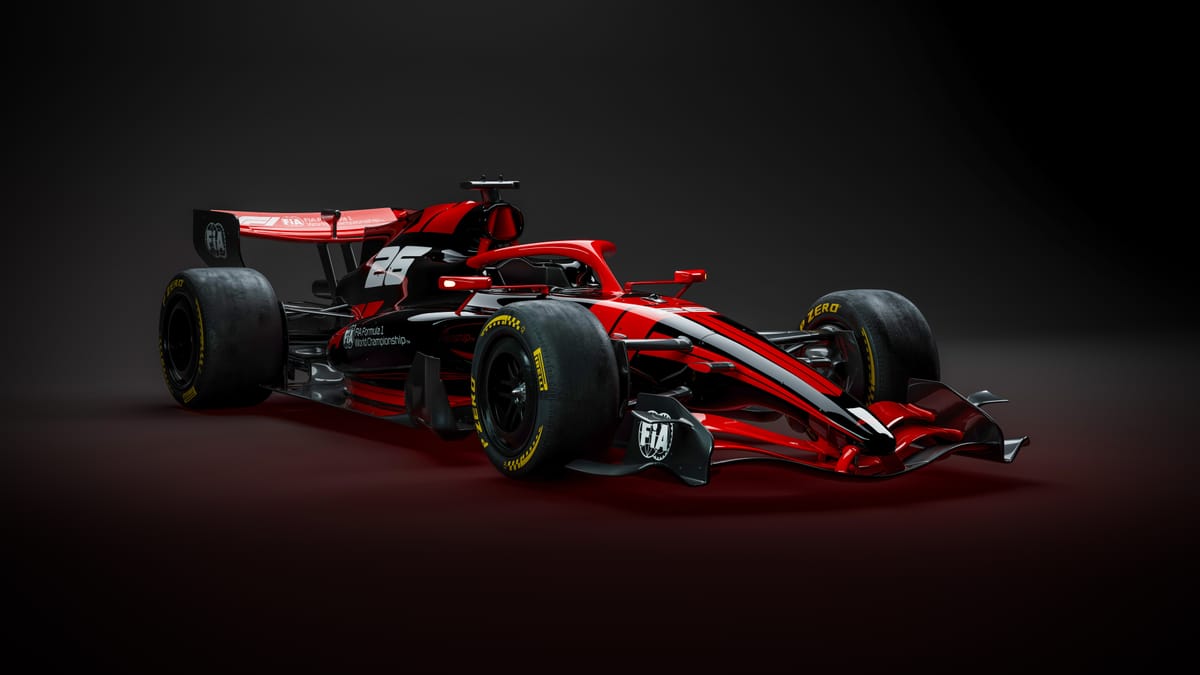
Formula 1 is set for a major vocabulary overhaul in 2026, replacing the long-standing Drag Reduction System (DRS) with a new set of terms centered on 'active aero' and 'overtake mode'. These changes are part of a broader ruleset revamp aimed at improving car efficiency and creating more exciting wheel-to-wheel racing. Drivers will now manage aerodynamics and power deployment in a more dynamic way, fundamentally changing strategic approaches on track.
Why it matters:
The shift away from DRS marks a significant evolution in F1's philosophy, moving from a simple overtaking button to a more complex system that integrates aerodynamics and power unit management. This is designed to make racing feel more organic while pushing teams to master new technologies under the 2026 regulations, which heavily emphasize sustainability and efficiency.
The details:
Here’s a breakdown of the key terminology fans will need to know for the 2026 season:
- Active Aero: This replaces DRS, allowing both the front and rear wing flaps to adjust between two modes.
- Straight Mode: Flaps open to reduce drag in designated zones on track, improving top speed and efficiency. Unlike DRS, it can be used without being within one second of another car.
- Corner Mode: The default high-downforce setting for navigating corners.
- Partial Aero Mode: A potential wet-weather setting where the front wing is in 'straight mode' and the rear in 'corner mode' for added stability.
- Overtake Mode: This is the primary tool for facilitating passes.
- When a driver is within one second of the car ahead at a detection point, they receive an extra 0.5MJ of energy to deploy on the following lap.
- The chasing car can use its full 350kW of power up to 337km/h, while the lead car's deployment tapers off at 290km/h, creating a significant speed advantage.
- Boost: Refers to the standard, driver-controlled deployment of harvested battery power (ERS), similar to the system used today. Drivers can use it for attack or defense at any point on the track.
- Recharge: The process of harvesting energy for the battery, which occurs under braking, through lift-and-coast, and other methods. This process is largely automated by the car's electronics.
What's next:
Teams and drivers will spend the next year and a-half adapting to these new systems, which will require different driving styles and strategic thinking. The success of these regulations will hinge on whether they can deliver on the promise of closer, more compelling racing without the artificial feel that sometimes plagued the DRS era. The 2026 pre-season testing will be the first real indicator of how these changes will reshape the on-track product.