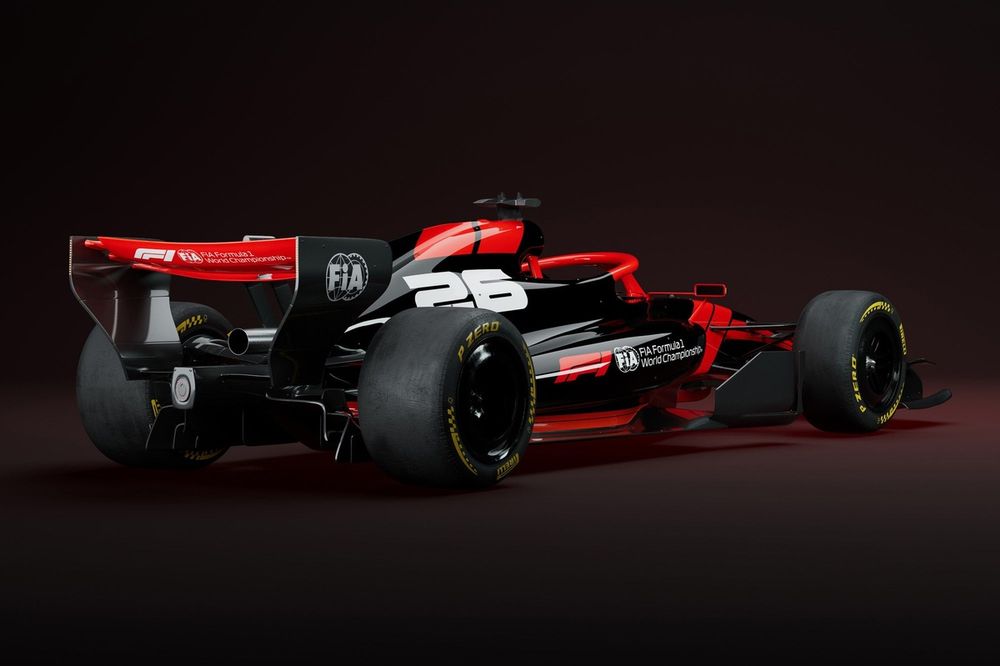
Decoding F1's 2026 Overhaul: Active Aero, New Power Units, and Sustainable Fuels
F1's 2026 rules introduce active aero and a new power unit without the MGU-H, running on 100% sustainable fuels. The changes aim to improve racing and put a greater focus on driver skill.
Formula 1 is set for a radical technical overhaul in 2026, introducing active aerodynamics and a significantly revised power unit architecture. The new regulations, moving away from ground-effect floors and removing the complex MGU-H, aim to create closer racing and advance sustainability with 100% sustainable fuels. These changes promise a fundamentally different driving and viewing experience, with a greater emphasis on manual driver control over energy deployment and aerodynamic settings.
Why it matters:
This represents one of the biggest philosophical shifts in F1 in decades, creating a massive opportunity for the competitive order to be reshuffled. The removal of the MGU-H could lower the barrier to entry for new manufacturers and reward teams that can best innovate within the new framework. Furthermore, the push for 100% sustainable fuels is critical for the sport's public image and long-term relevance in a world increasingly focused on environmental impact.
The details:
- Active Aerodynamics: Both front and rear wings will be adjustable by the driver, moving between a low-drag 'straight mode' and a high-downforce 'corner mode'. This is a significant evolution from the current DRS, designed to reduce drag on straights while ensuring immediate airflow reattachment for maximum stability in braking and corner entry.
- Power Unit Changes: The 1.6L V6 engine remains, but the MGU-H (Motor Generator Unit - Heat) has been removed. The MGU-K (Kinetic) becomes much more powerful, producing 350kW (469bhp) compared to the ICE's ~400kW (536bhp). This shifts the focus heavily towards electrical efficiency and deployment.
- New 'Overtake Mode': Replacing DRS, this is a push-to-pass system available in designated zones when within one second of a car ahead. To ensure effectiveness, the attacking car will benefit from a more favorable power ramp-down, allowing it to maintain full 350kW electric power for longer and reach a higher top speed before its power begins to taper off.
- Flat Floors: The Venturi tunnel ground-effect floors introduced in 2022 are being replaced by a simpler 'flat floor' design. This will dramatically reduce the overall downforce generated by the underfloor, changing how the cars behave, particularly in high-speed corners, and placing a greater emphasis on aerodynamic performance from the wings and bodywork.
- 100% Sustainable Fuels: All power units must run on fuels deemed 100% sustainable by the FIA. This includes advanced biofuels derived from non-food biomass or municipal waste, as well as synthetic 'e-fuels' created using captured carbon and sustainably produced hydrogen.
What's next:
The true test of these regulations will be on track, and whether they deliver on the promise of closer, more exciting racing. While the technology is fascinating, its success will ultimately be judged by the quality of wheel-to-wheel combat. Teams are now in a high-stakes engineering race to understand these complex new systems, and those who master the integration of active aero with the new power delivery characteristics are likely to emerge as the early pacesetters when the 2026 season begins.