Decoding F1 Shakedowns: The First Test Under Tight Rules
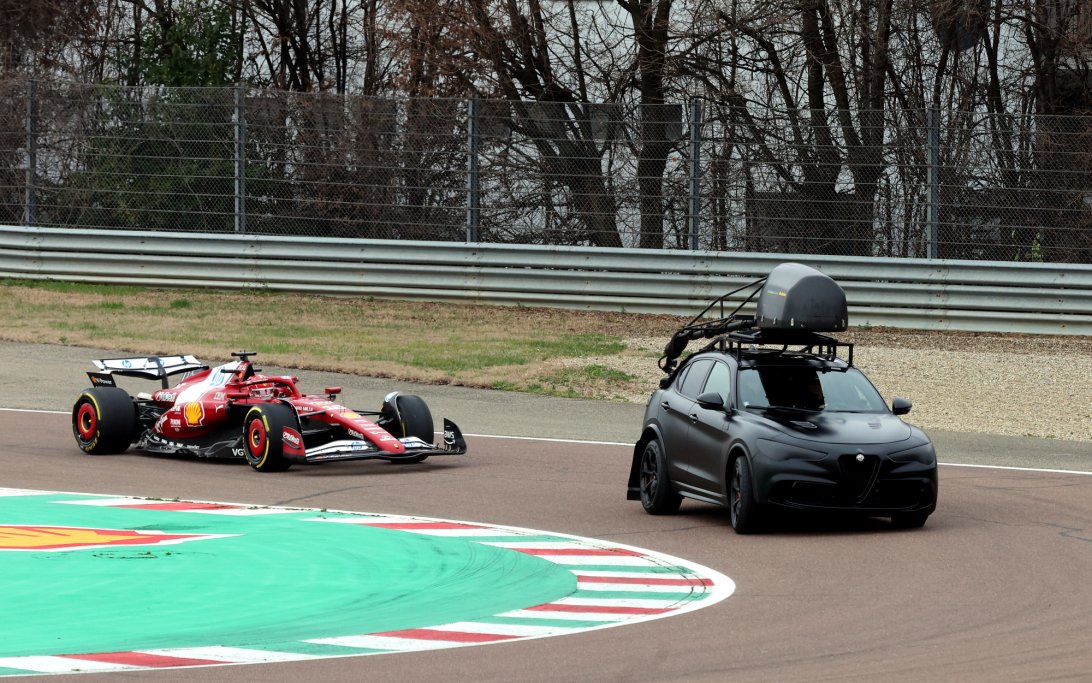
Before official testing, F1 teams conduct "shakedowns" – private, 200km runs to verify basic car functionality. Governed by strict FIA rules on mileage and tires, these sessions prevent early performance data gathering.
F1 teams like Audi conduct private "shakedown" runs before official pre-season testing to bridge the gap between design and reality. These initial outings, governed by strict FIA regulations, are not about chasing lap times but are crucial for verifying that months of development have produced a functional race car.
Why it matters:
Shakedowns are a vital first reality check for new cars, potentially revealing critical flaws that simulations miss. The stringent restrictions are essential for maintaining competitive balance, preventing well-funded teams from gaining an unfair performance advantage before the official season begins.
The details:
- Mileage Cap: Teams are limited to just 200km of running, forcing a focus on functionality over performance.
- Special Tyres: The FIA mandates the use of specific Pirelli tyres with significantly reduced grip, often featuring wet-weather grooves, to prevent teams from collecting meaningful performance data.
- Primary Focus: Engineers prioritize fundamental checks like steering, brakes, power unit integration, and basic aerodynamic balance. Drivers use the time to acclimate to the cockpit and initial handling.
- Demonstration Events: Teams can supplement this with two annual demo days, but these have even tighter restrictions—just 15km for current-gen cars.
Looking Ahead:
While shakedowns offer only a brief first look, they are an indispensable part of a team's pre-season preparations. The basic data gathered provides the foundation for the extensive development work to come during official testing, setting the initial trajectory for the season ahead.