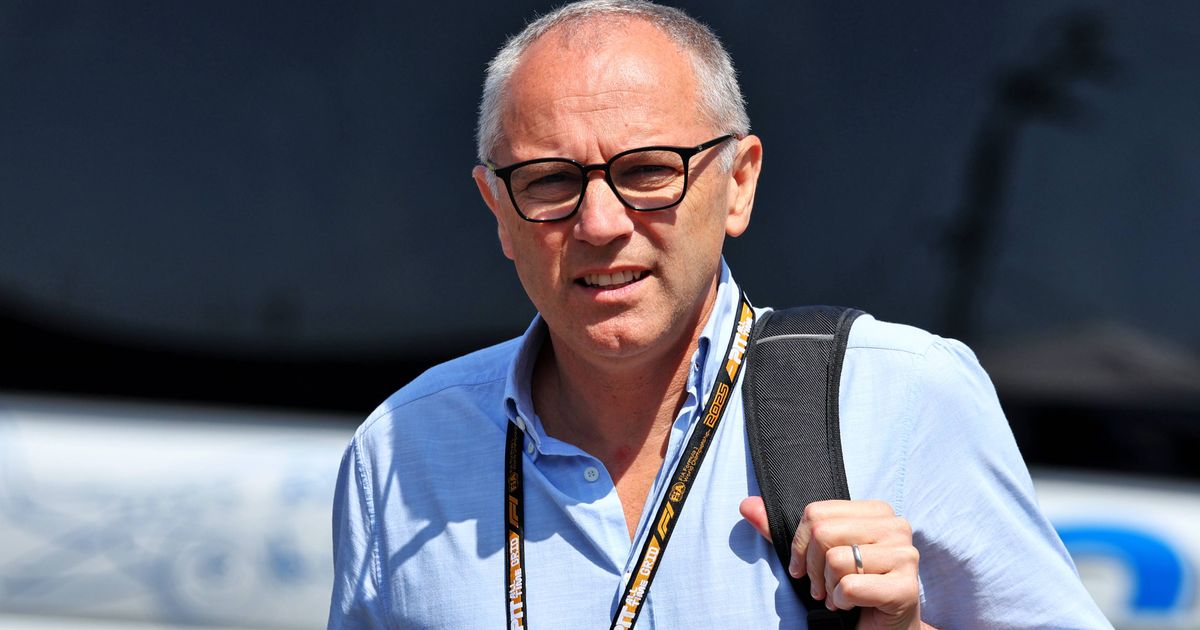
Domenicali Open to German Grand Prix Return, Cites Market Importance
F1 CEO Stefano Domenicali says the sport is open to discussions about bringing the German Grand Prix back, but emphasizes that the German market itself must see it as a priority. He noted a decline in F1's popularity in Germany over recent decades and stated that with high global demand for races, the initiative for a return must come from within the country.
F1 CEO Stefano Domenicali has indicated a willingness to consider a return of the German Grand Prix to the calendar, but stressed that the initiative must be a priority for the German market itself. The last official German GP was held at Hockenheim in 2019, with the country's rich F1 history currently absent from the schedule.
Why it matters:
Germany is a cornerstone of automotive manufacturing and a historic heartland for Formula 1, home to major partners like Mercedes and Audi. Its absence represents a significant gap in the sport's geographical and commercial footprint. Domenicali's comments highlight a shift from F1 chasing venues to venues demonstrating clear value and commitment to the sport.
The details:
- Domenicali acknowledged the German market's importance, noting the presence of many partners and manufacturers, but pointed to a decades-long decline in the sport's popularity within the country.
- He stated that F1 is "not desperate" for a German race due to high global demand, putting the onus on local interest groups to prioritize a return.
- Despite the challenges, the CEO confirmed F1 is "ready and open to any kind of talks," observing a few "signs of a silver lining" that could develop in the coming months.
- The sport maintains a presence in Germany through events like the Nürburgring NLS series, recently highlighted by Max Verstappen's participation.
The big picture:
The situation reflects the modern economics of F1 calendar expansion. Races now require substantial government and commercial backing, often linked to tourism or nation-branding goals, as seen with new events in Miami, Las Vegas, and potential projects in Africa. A traditional market like Germany must now compete on these new terms to reclaim its spot, balancing its historic legacy against contemporary commercial realities.
What's next:
The ball is firmly in Germany's court. For a return to become feasible, local promoters, government bodies, or corporate partners would need to present a compelling commercial proposal that aligns with F1's current valuation model. Domenicali's "silver lining" remark suggests behind-the-scenes conversations may be occurring, but any return is likely years away, if it happens at all.