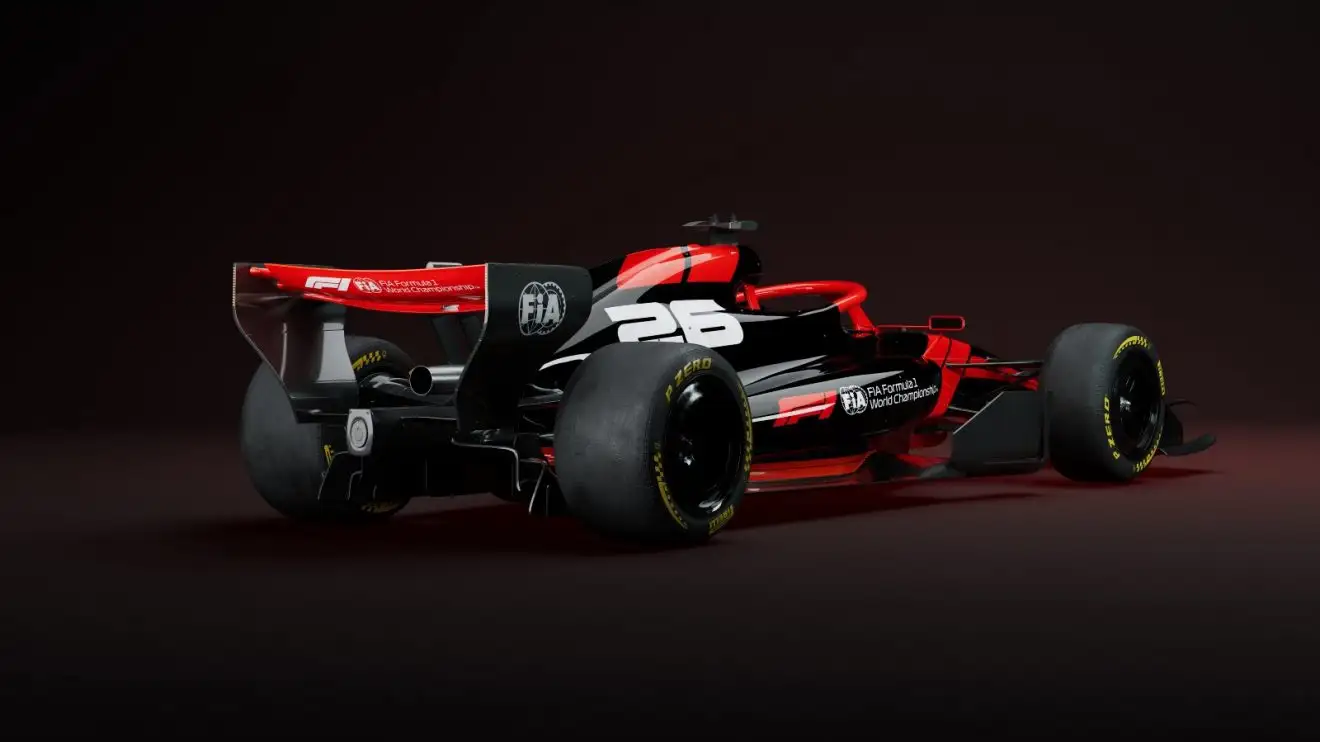
Drivers Fear 2026 F1 Era Will Prioritize Energy Management Over Racing Prowess
F1 drivers like Lance Stroll and Fernando Alonso are expressing concern that the 2026 regulations will shift the focus from pure racing to managing battery power, making the driving experience less exciting.
Aston Martin's Lance Stroll has dubbed the upcoming 2026 Formula 1 regulations "a bit sad," echoing a sentiment among drivers that the new era will prioritize energy management over the thrill of pushing a car to its absolute limit. His teammate, Fernando Alonso, also anticipates a more "cerebral" style of racing, though he'd prefer to dominate with raw pace than rely on strategic thinking to secure a lower finish.
Why it matters:
The drivers' feedback strikes at the core of Formula 1's identity as a spectacle of speed and skill. A shift towards battery management and lower cornering speeds risks alienating purist fans who value the raw, wheel-to-wheel battles and the physical challenge of taming a high-downforce machine. The sport's governing body must balance its sustainability goals with maintaining the on-track excitement that defines F1.
The Details:
- Stroll's Critique: The Canadian driver is concerned about the new cars' character, predicting "400 kilometres an hour down the straight, and half the speed in the corners." He believes managing energy isn't as exciting as "flat out pushing with lots of downforce."
- Technical Shift: The 2026 rules introduce active aerodynamics and significantly increase electrical power output. This comes at the cost of approximately 30% less overall downforce, leading to slower cornering speeds, a change Esteban Ocon likened to switching from an F1 car to a rally car.
- Alonso's Dilemma: The two-time champion acknowledges that strategic energy deployment could lead to "unexpected results." However, he stated a clear preference: "I prefer not using my brain and to win all the races with 20 seconds," highlighting a desire for performance over procedural racing.
- The Ultimate Caveat: Both drivers concede that their feelings are relative. As Stroll put it, if the Aston Martin is the fastest car on the grid, "it's going to be a nice car to drive," regardless of the regulations.
Looking Ahead:
The true test of the 2026 regulations will come when the cars hit the track. While the drivers' current concerns are valid, the competitive spirit will inevitably take over. The key question is whether the new formula, with its emphasis on efficiency and strategy, can still produce the thrilling action that fans and drivers crave, or if it will fundamentally alter the nature of what it means to be an F1 driver.