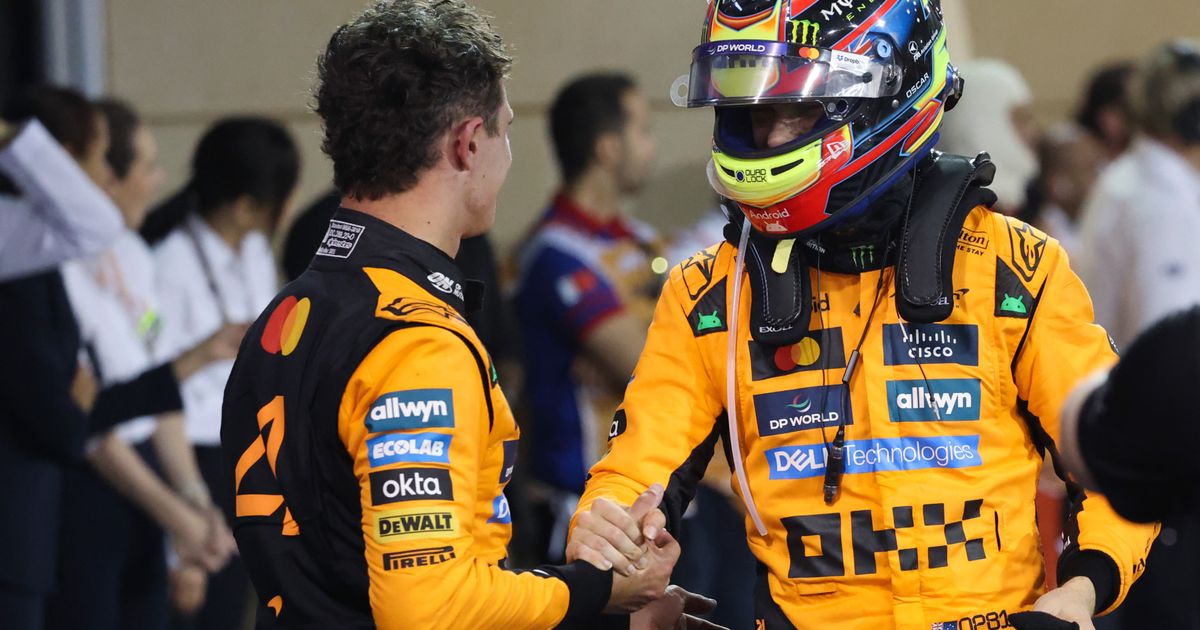
Ex-F1 Boss Guenther Steiner Blames Ground-Effect Risk for McLaren's Vegas Disqualification
Former F1 team principal Guenther Steiner has blamed the inherent risks of ground-effect aerodynamics for McLaren's disqualification in Las Vegas. He explained that teams must push their cars to the limit for performance, which in McLaren's case, led to excessive plank wear. Steiner also noted that wet practice conditions might have hindered accurate ride-height judgments. This incident underscores the critical balance between speed and regulatory compliance in modern F1.
Former Formula 1 team principal Guenther Steiner has attributed McLaren's disqualification in Las Vegas to the inherent risks of ground-effect aerodynamics. The team, in their relentless pursuit of performance, pushed their cars to the absolute limit, leading to excessive plank wear and subsequent regulatory breach.
Why it matters:
McLaren's disqualification in Las Vegas highlights the razor-thin margins and extreme engineering challenges present in modern Formula 1. Teams are constantly balancing the quest for speed with strict technical regulations, and ground-effect cars, while incredibly fast, introduce a significant risk of non-compliance if not perfectly managed. This incident underscores the pressure on teams to extract every ounce of performance, even at the risk of penalties.
The details:
- Performance vs. Risk: Steiner, speaking on the Drive to Wynn podcast, stated that "with these cars, you need to go to the limit to get performance out of them." He suggests McLaren's aggressive setup to improve on their previous Vegas performance may have gone "a little bit too much."
- Ground-Effect Challenges: The core issue stems from ground-effect aerodynamics. The lower a car runs, the greater the downforce and speed it can achieve. However, this also increases the risk of the car's plank wearing out beyond the permissible limits, leading to disqualification.
- Wet Conditions Impact: Steiner also pointed to the wet conditions during free practice as a contributing factor. Rain limited the team's ability to gather accurate dry-weather data, making it harder to precisely judge the optimal ride height for race conditions. Without reliable data, teams are forced to make more assumptions, increasing the potential for error.
- Reoccurring Issue: This isn't an isolated incident, with Steiner noting that excessive plank wear "happened a few times this year with these ground-effect cars."
What's next:
McLaren driver Lando Norris, despite the Vegas setback, remains focused on the upcoming races. The team will need to meticulously review their setup strategies and data analysis processes to prevent similar incidents. The incident serves as a stark reminder for all teams to navigate the fine line between pushing performance boundaries and adhering to technical regulations as the season progresses.