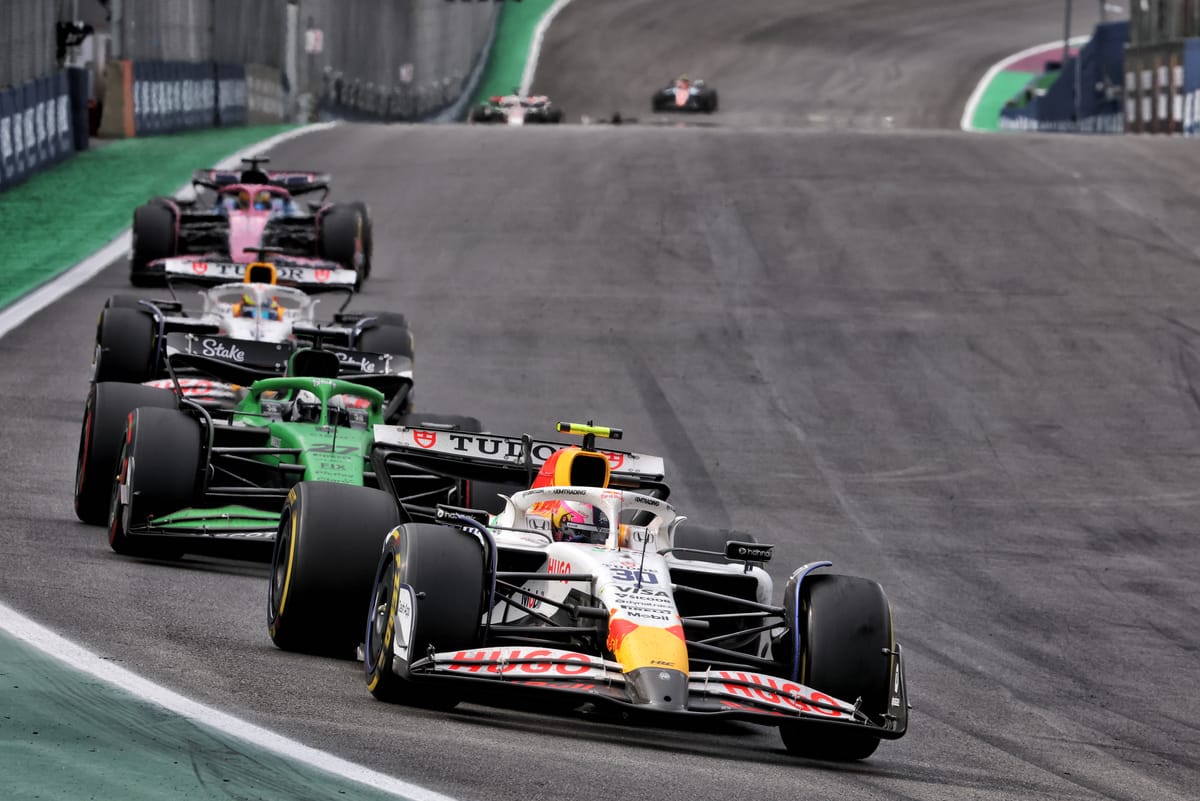
F1 Aero Racing 'Decay' in Ground Effect Era: What New FIA Data Reveals for 2026
New FIA analysis reveals a significant 'decay' in F1's aero racing quality since 2022, making it harder for cars to follow. Downforce loss when trailing has quadrupled from initial 2022 levels. However, the 2026 regulations, designed to enhance slipstream and reduce aerodynamic sensitivity, promise a substantial improvement in on-track racing quality, with projections showing much better downforce retention for following cars.
New analysis by the FIA has revealed the alarming decline in Formula 1's aero racing effectiveness in the current ground effect era, making it increasingly difficult for cars to follow each other. However, fresh data from tests conducted by the FIA offers a glimpse of optimism, highlighting how the all-new 2026 regulations are poised to significantly improve the situation, promising a substantial leap forward in on-track racing.
Why it matters:
After years of drivers lamenting the difficulty of close-quarter racing, the FIA's extensive CFD simulations underscore the critical need for change. The dramatic worsening of downforce loss when following – four times worse than the original 2022 baseline at two car lengths – directly impacts the quality of racing, often leading to processional events. The 2026 regulations aim to reverse this trend, re-energizing the sport with more dynamic and overtakes-rich races, which is crucial for fan engagement and F1's long-term appeal.
The details:
- Significant Decline: FIA's analysis shows that the downforce retention for a following car at 10 meters (one car length) has dropped from 85% with the original 2022 cars to approximately 65% with the 2025 cars. At 20 meters (two car lengths), it fell from 95% to 80% over the same period. This marks a substantial 'decay' from the initial goals of the 2022 regulations.
- 2026 Projections: The FIA's 2026 baseline model, codenamed FANGIO, projects downforce retention of 80% at 10 meters and 90% at 20 meters. While the 20-meter figure is considered more representative for real-world racing battles, it's important to note this baseline is for lighter cars with fewer downforce-minimizing design elements like wheel arches.
- New Aero Philosophy: The 2026 regulations move beyond merely chasing headline downforce numbers. The focus is on creating an aero map shape that enhances slipstream effect by maximizing drag loss when following. Additionally, the new rules aim to prevent cars from gravitating to ultra-low ride heights, which should make them less aerodynamically sensitive when following.
- Closing Loopholes: The FIA has worked diligently to close development avenues that teams exploited under the 2022 rules, which led to increased 'dirty air'. Key areas with stricter controls include front wing endplates, brake drums, and floor edges. This proactive approach aims to prevent a repeat of the rapid aerodynamic 'decay' seen with the current generation of cars.
- FIA Confidence: Nikolas Tombazis, the FIA's single-seater director, expressed confidence, stating, "We believe it's going to be better than it’s ever been" regarding the wake characteristics of the 2026 cars. He emphasized the lessons learned from the 2022 cars have been implemented into the new aerodynamic regulations.
What's next:
While achieving perfectly clean air is an impossible challenge, the FIA is committed to mitigating turbulent airflow as much as possible. The 2026 regulations represent a concerted effort to reset the aerodynamic baseline and foster better racing from the outset. The crucial question that remains is the rate of 'decay' as teams inevitably develop their cars throughout the next regulatory cycle. The success of these new rules will ultimately depend on the balance between rulemakers preventing loopholes and teams innovatively pursuing performance gains.