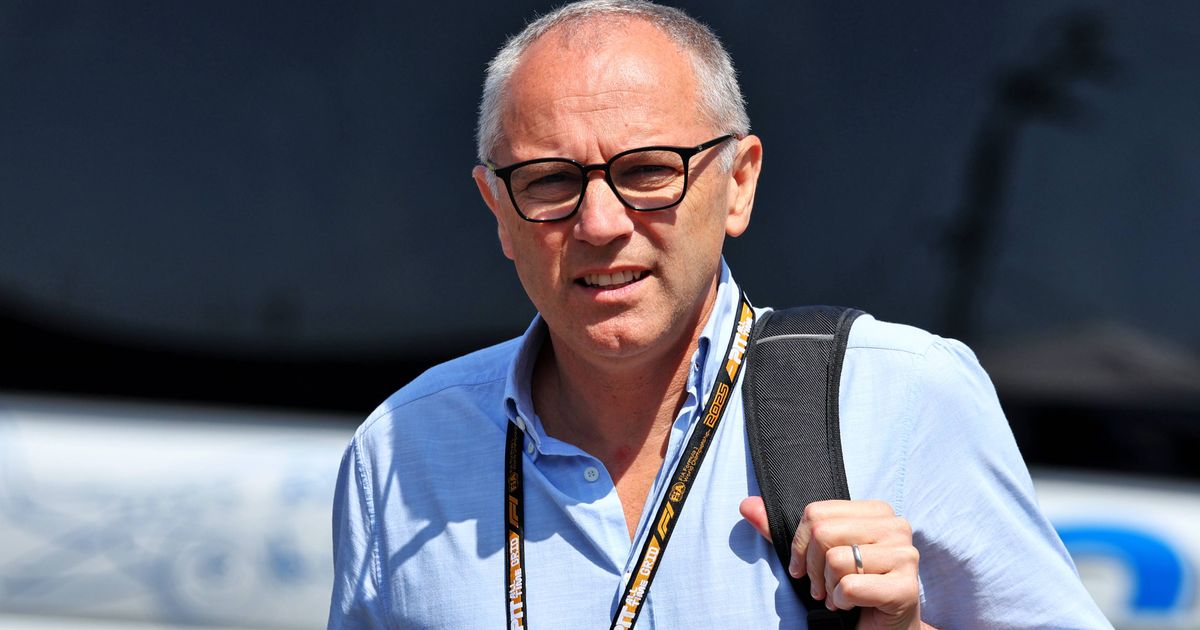
F1 CEO signals openness to German GP return, but market interest is key
F1 CEO Stefano Domenicali says he is open to talks about reviving the German Grand Prix, but emphasizes that the sport has many global offers and the return depends on the German market seeing F1 as a priority again. The last race was in 2019.
F1 CEO Stefano Domenicali has indicated a willingness to discuss the return of the German Grand Prix, but made clear that any revival depends on the German market prioritizing Formula 1 once again. The last official German GP was held in 2019 at Hockenheim, with a one-off Eifel Grand Prix at the Nürburgring in 2020 during the pandemic.
Why it matters:
Germany, with its rich motorsport heritage and multiple automotive manufacturers involved in F1, represents a significant commercial and historical market for the sport. Its absence since 2020 leaves a notable gap in the European leg of the calendar. Domenicali's comments highlight the modern reality of F1's expansion: historic venues must compete with new, financially attractive global destinations for a limited number of calendar slots.
The details:
- Domenicali acknowledged the importance of the German market, citing its many partners and manufacturers, but noted a perceived decline in F1's popularity there over recent decades.
- He stated that F1 is "not desperate" for a German return due to high demand from other regions worldwide, placing the onus on local interest to drive progress.
- The CEO remains "ready and open to any kind of talks," observing "a few signs of a silver lining" that he hopes will develop in coming months.
- The discussion comes as Germany has recently regained some motorsport spotlight through Max Verstappen's participation in the Nürburgring Langstrecken-Serie (NLS) on the famous Nordschleife.
The big picture:
The situation underscores a shift in how F1 curates its calendar. While historic European circuits face commercial pressures, the sport is actively pursuing growth in new markets, as evidenced by separate ongoing discussions about a potential Grand Prix in Rwanda, targeting 2029. The German Grand Prix's future hinges not just on finding a suitable circuit—with Hockenheim and the Nürburgring as potential candidates—but on demonstrating sustainable commercial appeal and fan engagement to compete with these new ventures.
What's next:
For a German Grand Prix to return, local promoters, government bodies, or corporate partners would likely need to present a compelling proposal to Formula One Management. Domenicali's open-yet-firm stance suggests the ball is in Germany's court. Any return would probably not be imminent, but continued growth in F1's global popularity and potential increased involvement from German automotive giants could improve its prospects in the medium to long term.