F1 Confirms Official 2026 Terminology Ahead of Landmark Rule Reset
Formula 1 has unveiled the official terminology for its 2026 technical revolution, introducing four key terms: Overtake Mode, Boost Mode, Active Aero, and Recharge. The move aims to replace technical jargon with clear, descriptive language to help fans better understand the new strategic elements and radical car designs set to debut.
Formula 1 has officially defined the key terminology for its landmark 2026 technical regulations, moving away from technical jargon in favor of simpler, more descriptive terms like Overtake Mode, Boost Mode, Active Aero, and Recharge. The sport aims to make the new era more accessible to fans by using clear language that accurately reflects the on-track action and strategic choices drivers will face.
Why it matters:
The 2026 rulebook represents the most significant technical reset in over a decade, introducing new power units, radically different car designs, and novel strategic elements. Clear, intuitive terminology is crucial for fans, broadcasters, and teams to understand and discuss the sport's new dynamics. By avoiding confusing acronyms or gimmicky names, F1 hopes to ensure the complex changes enhance the racing spectacle without creating a communication barrier.
The details:
The new terminology is built around four core technical functions that will define the 2026 racing experience.
- Overtake Mode: This system replaces DRS (Drag Reduction System) as the primary overtaking aid. A driver within one second of the car ahead can deploy extra electrical energy from the battery to launch an attack. The key strategic difference is flexibility—the energy can be used in one concentrated burst or strategically spread out over a lap.
- Boost Mode: A driver-operated button that delivers maximum combined power from the internal combustion engine and the Energy Recovery System (ERS) battery. Unlike Overtake Mode, it is not conditional on proximity to another car and can be used anywhere on track for both attack and defense.
- Active Aero: This involves front and rear wing elements that can dynamically change configuration. They will switch between a high-downforce setting for corners and a low-drag setting for straights in designated high-speed zones, aiming to improve grip in corners and straight-line speed while optimizing overall energy usage.
- Recharge: This term encompasses all the methods a driver can use to replenish the hybrid battery. Energy will be harvested under braking, during 'lift-and-coast' phases, and even in corners where only partial throttle is applied, making energy management a more visible and integral part of driving.
The big picture:
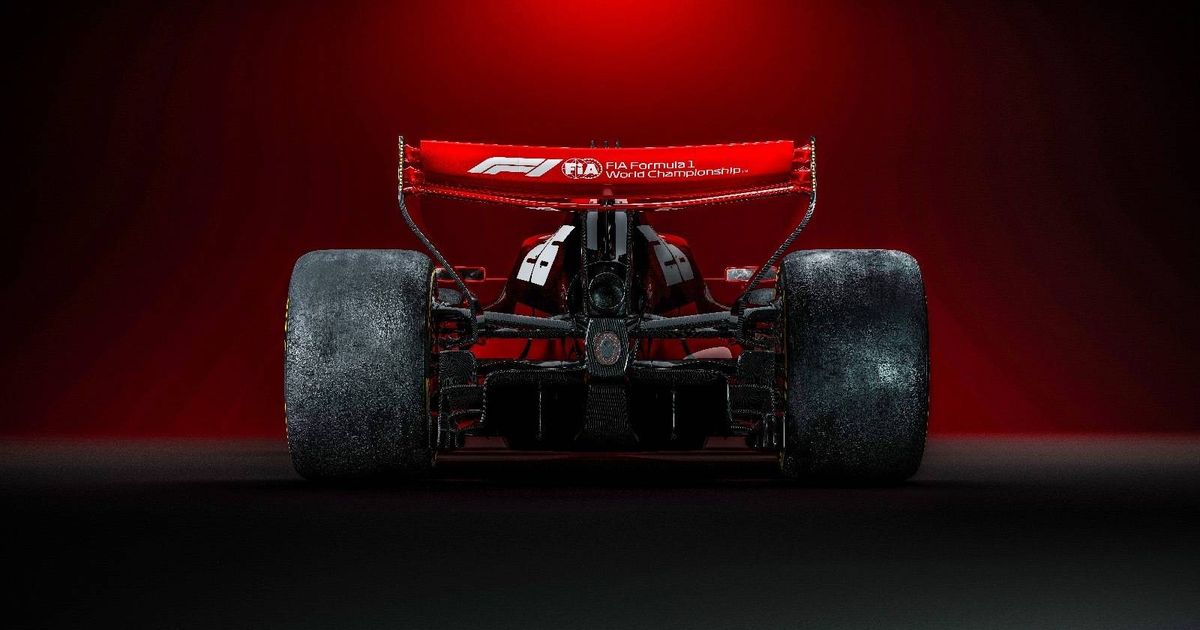
These terms accompany the latest visualizations of the 2026 car, which show significantly smaller, lighter, and more agile machines. The shift in language is part of a broader philosophy to simplify the sport's technical narrative. The goal is to focus fan engagement on the driver's strategic decisions—when to use Boost, how to plan an Overtake, or how to manage Recharge—rather than on deciphering complex engineering acronyms. This approach mirrors the successful simplification seen with the current cost cap and sprint race formats.
What's next:
With the first 2026 cars set to hit the track for testing in little over a month, these terms will quickly move from concept to reality. Teams are deep in the development phase, and the effectiveness of these new systems—and how intuitively they are understood by a global audience—will be a major factor in the success of the new regulatory era. The clarity of this terminology will be put to the test as commentators, analysts, and fans begin dissecting the new racing product in 2026.