F1 Drivers Call Ground Effect Era 'Unsustainable' Due to Severe Physical Toll
F1 drivers are welcoming the end of the ground effect era, citing the severe and unsustainable physical toll of violent bouncing on their backs as a key reason for the 2026 regulation shift.
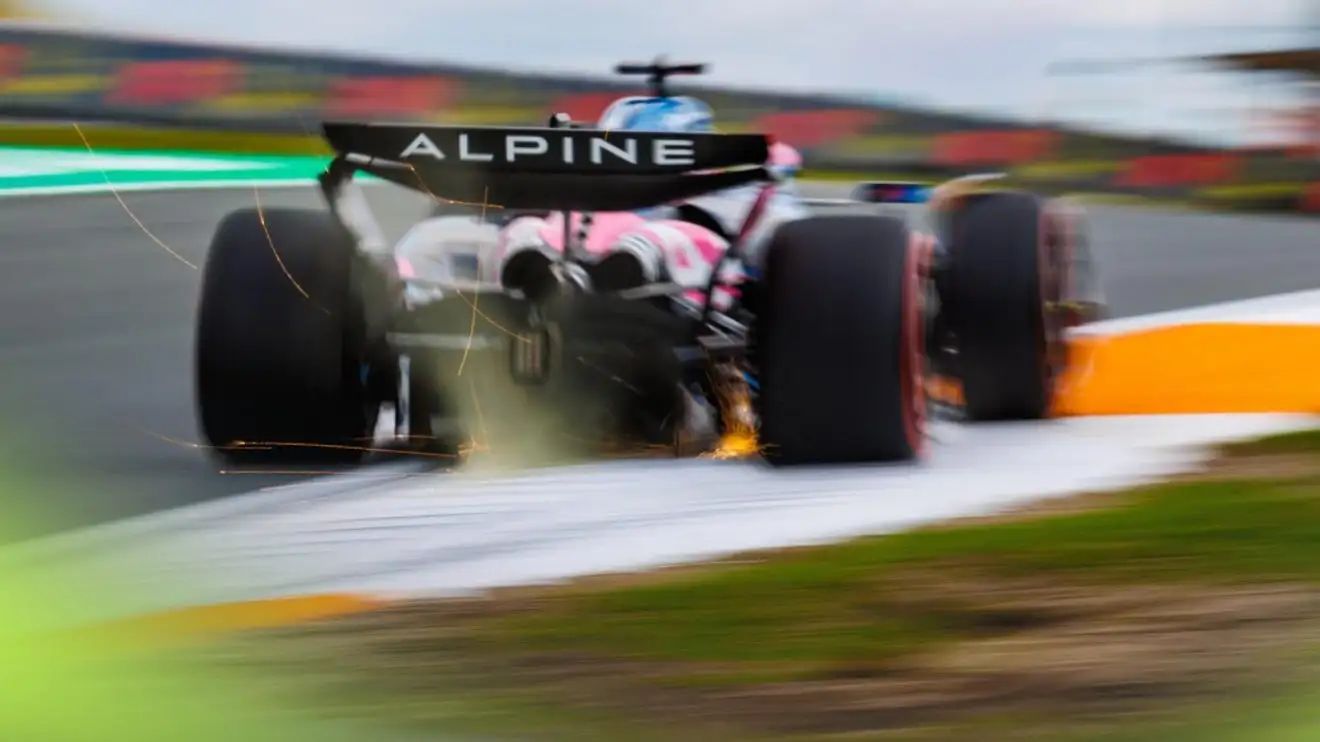
Veteran driver Pierre Gasly and rookie Oliver Bearman have voiced strong criticism of the current ground effect regulations, labeling the physical toll on drivers as "unsustainable." Their comments highlight a significant driver welfare concern as Formula 1 prepares for a major regulatory overhaul in 2026, moving away from the aerodynamic concept that has caused severe back pain and violent bouncing since its introduction.
Why it matters:
The pursuit of aerodynamic performance has come at a direct cost to driver health, raising questions about the long-term sustainability of the current ruleset. This feedback from the grid's athletes is a critical factor that has influenced the sport's governing body to pivot towards a new design philosophy for 2026, prioritizing a better balance between performance and drivability.
The details:
- The core problem: To maximize downforce, teams run their cars extremely low to the ground, causing them to bottom out and create violent, high-frequency bouncing known as "porpoising." This force is transferred directly into the driver's body.
- Gasly's perspective: The Alpine driver stated that while the performance gains are clear, the physical impact on drivers' backs has been "rough" and "not sustainable over like a full career."
- Bearman's visceral experience: The Haas rookie provided a stark account, describing the sensation as "horrible" and detailing how the stiffness required for performance leaves him in so much pain he "can’t sleep the night" after a race on a bumpy track like Mexico.
- No respite on track: Bearman emphasized that there is "no rest in the race," as the bouncing persists even on the straights, which are typically a moment for drivers to recover. This leads to drivers "counting down those last 15 laps" just for the pain to end.
- A threat to longevity: Bearman warned that if the current cars continued, drivers wouldn't be able to compete into their late 30s or 40s like Fernando Alonso and Lewis Hamilton, effectively shortening careers.
What's next:
The 2026 regulations will fundamentally alter the cars' design to address these issues.
- The new rules will significantly reduce the aerodynamic influence of the floor, moving away from the extreme ground effect concept.
- The introduction of moveable aerodynamic wings and a greater emphasis on electrical energy deployment promise a different style of racing, focused more on energy management.
- While the future shape of F1 racing remains uncertain, drivers like Gasly are open-minded, with his primary goal remaining simple: "just want to be at the front."