F1 Drivers React to Mandatory Two-Stop Rule for Qatar GP
F1 drivers are divided over the new mandatory two-stop rule for the Qatar Grand Prix, introduced for safety and tire degradation concerns. While Max Verstappen and Kimi Antonelli see it as flattening strategies but potentially making the race more straightforward, Carlos Sainz criticizes it as a temporary fix that limits strategic variety, advocating for more flexible solutions in the future.
Formula 1 drivers have weighed in on the new mandatory double-stop rule enforced for this weekend's Qatar Grand Prix, which will inevitably shape the race's 57-lap strategy.
Why it matters:
The introduction of a mandatory two-stop strategy, prompted by safety concerns over tire longevity on Qatar's demanding circuit, significantly alters the strategic landscape of the race. This move aims to mitigate tire degradation issues while also potentially leveling the playing field, forcing all teams into a similar strategic framework. The drivers' varied reactions highlight the tension between ensuring safety and preserving strategic diversity in F1.
The Details:
- Mandatory Two-Stop Rule: Due to high degradation and potential safety risks, all cars must make at least two pit stops during the 57-lap Qatar Grand Prix. Each tire stint is limited to a maximum of 25 laps.
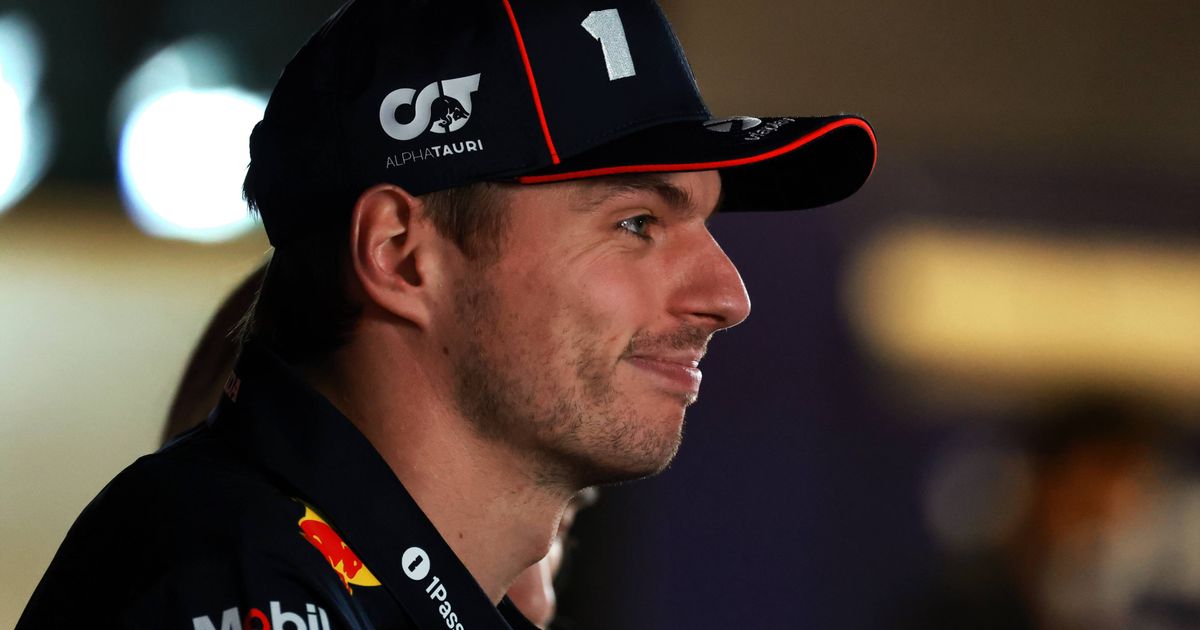
- Max Verstappen's View: The Dutchman believes the rule could offer an advantage, depending on Red Bull's performance. He notes it "does fix the strategy a little more for everyone" while still allowing for some flexibility in pit timing.
- Verstappen remains cautious, stating, "I have no idea at the moment how good or bad we are going to be on balance tires," but acknowledges it might not be as "boring" as initially perceived.
- Kimi Antonelli's Perspective: The Mercedes driver concurs that strategies will become more uniform. He emphasizes safety, saying, "it's better to be safe than sorry" to avoid punctures or tire failures.
- Antonelli also points out that increased tire pressure might affect balance and behavior, ultimately leading to a "more flat-out race, which is not a bad thing."
- Carlos Sainz's Critique: The Ferrari driver sees this as a temporary measure specific to Qatar, not a viable long-term solution. He prefers races with a "variety of strategy" rather than mandated stops.
- Sainz argues that forced two-stops, like in previous Monaco or Qatar races, limit strategic flexibility as "everyone has the same degradation, same tyres, it's not like you can do much."
- He believes F1's future solution lies in offering more working strategies, not in a fixed number of stops, seeing the current rule purely as a "reliability" measure.
The Big Picture:
This mandatory two-stop rule is a direct response to persistent concerns over tire integrity and high-speed tire failures, particularly on circuits known for aggressive curbing and high-energy loads like Lusail. While prioritizing driver safety, the decision underscores the ongoing challenge F1 faces in balancing performance, spectacle, and component durability. The differing opinions among drivers reflect the wider debate within the sport about how much control should be exercised over race strategy versus allowing organic competitive evolution.
What's Next:
The race weekend in Qatar will serve as a crucial test for this mandated strategy, revealing how teams and drivers adapt to the imposed limits. The outcomes will likely influence future discussions regarding tire regulations and circuit safety protocols, especially as F1 continues to push the boundaries of performance. While potentially making the race more straightforward strategically, it could also intensify on-track battles as teams focus purely on maximizing pace within the defined stints.