F1 History of Three-Way Title Deciders
Formula 1 has a captivating history of three-way title deciders, with the upcoming 2025 Abu Dhabi Grand Prix set to add another thrilling chapter. From Farina's inaugural win in 1950 to Vettel's dramatic 2010 triumph, these races highlight how unforeseen events, strategic brilliance, and sheer luck intertwine to crown champions. The lessons from these high-stakes finales offer valuable insights into the intense pressure facing Lando Norris, Max Verstappen, and Oscar Piastri as they battle for the 2025 title.
Formula 1 has a rich history of nail-biting, three-way championship deciders, with the 2025 Abu Dhabi Grand Prix set to add another chapter. From the inaugural season in 1950 to the dramatic 2010 finale, the sport has often delivered thrilling conclusions where multiple drivers fought for ultimate glory, often with unexpected twists and turns. These historical precedents offer a fascinating look into how such high-stakes races unfold, demonstrating the blend of driver skill, team strategy, and sheer luck that defines F1 championships.
Why it matters:
- Three-way title fights are rare and often produce the most memorable and dramatic conclusions to an F1 season.
- Understanding past multi-driver showdowns provides context for the current 2025 season finale featuring Norris, Verstappen, and Piastri.
- These historical races highlight the critical role of reliability, strategy, and even inter-team dynamics in championship outcomes.
The Details:
- 1950 Italian GP: Giuseppe Farina clinched the inaugural F1 title at Monza, overcoming Juan Manuel Fangio and Luigi Fagioli. Fangio's gearbox issues decided the championship in Farina's favor.
- 1951 Spanish GP: Fangio secured his first world title against Ferrari's Alberto Ascari and Jose-Froilan Gonzalez. Ferrari's tire issues allowed Fangio to dominate after starting second.
- 1959 United States GP: Jack Brabham won the title after running out of fuel on the last lap, famously pushing his car across the line. Stirling Moss and Tony Brooks were his rivals.
- 1964 Mexican GP: John Surtees became champion after a late-race retirement from Jim Clark and a team order from Lorenzo Bandini. Graham Hill was also in contention, adding to the drama.
- 1974 US GP: Emerson Fittipaldi emerged victorious over Clay Regazzoni and Jody Scheckter. Regazzoni's handling issues and Scheckter's mechanical retirement paved the way for Fittipaldi's second crown.
- 1981 Caesars Palace GP: Nelson Piquet was crowned champion by just two seconds over Carlos Reutemann, with Jacques Laffite also in the mix. Reutemann struggled with gearbox issues while Piquet executed crucial overtakes.
- 1983 South African GP: Piquet secured his second title as rivals Alain Prost and Rene Arnoux suffered unreliability. Prost retired with turbo issues, allowing Piquet to cruise to third and claim the championship.
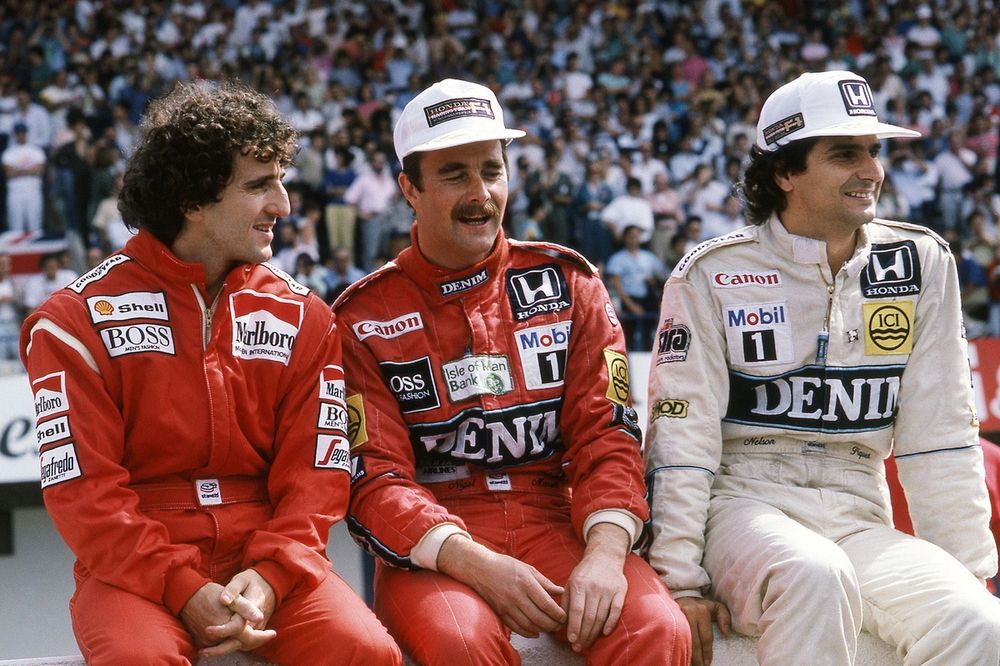
- 1986 Australian GP: Alain Prost benefited from Nigel Mansell's dramatic tire blow-out to snatch the title. Nelson Piquet, Mansell's teammate, also lost out after a precautionary pit stop, highlighting the ruthlessness of championship pressure.
- 2007 Brazilian GP: Kimi Räikkönen staged a remarkable comeback from third in the standings to win the title. Lewis Hamilton's gearbox issues and Fernando Alonso's struggles allowed Räikkönen to capitalize in a thrilling finale.
- 2010 Abu Dhabi GP: Sebastian Vettel triumphed in a four-way title fight, with Fernando Alonso and Mark Webber falling into a strategic trap. Ferrari's decision to cover Webber led to Alonso being stuck behind Vitaly Petrov, handing Vettel his first championship.
What's next:
The 2025 Abu Dhabi Grand Prix is poised to become another legendary chapter in F1 history. With Lando Norris, Max Verstappen, and Oscar Piastri all vying for the championship, the stage is set for a thrilling conclusion. While Norris currently leads, Verstappen's late-season surge and Piastri's consistent performance mean that anything can happen. The rich history of F1's three-way title deciders reminds us that the championship is never over until the final lap, promising a high-octane spectacle with strategic gambles and potential heroics.