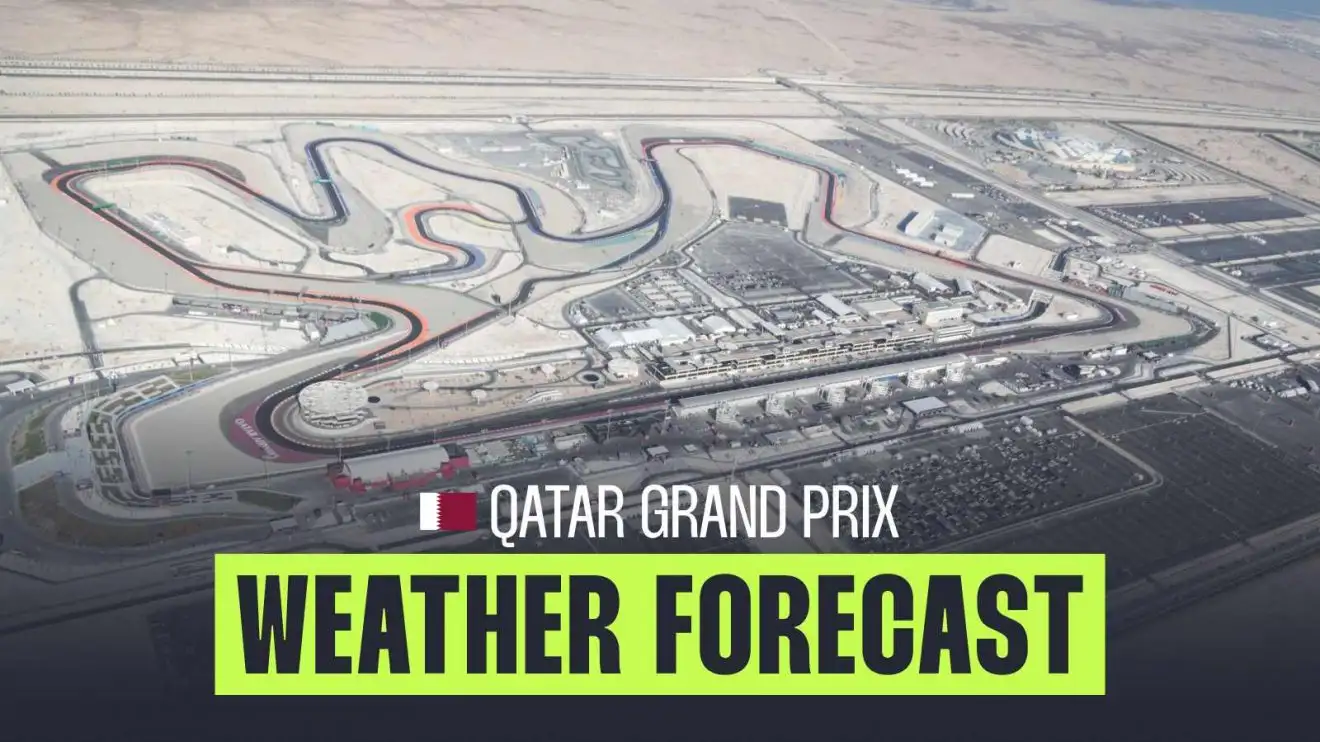
F1 Qatar GP: Weather Conditions to Challenge Drivers
The Qatar Grand Prix will challenge F1 drivers with consistently hot and dry conditions, a stark contrast to the recent Las Vegas race. Temperatures will hover around 22-26°C, even during night sessions, making it one of the most physically demanding races. With no rain expected, teams will focus on cooling strategies and driver endurance to navigate the high temperatures at Lusail.
The Qatar Grand Prix is set to bring a significant shift in conditions from the cooler Las Vegas race, with drivers facing hot and dry weather at the Lusail International Circuit. While both are night races, the high temperatures and humidity in Qatar will make it one of the most physically demanding events on the F1 calendar.
Why it matters:
The extreme heat and humidity in Qatar will test driver endurance and car reliability, potentially influencing race strategies and overall performance. The physical toll on drivers in these conditions is immense, making it a true test of their fitness and the effectiveness of team cooling solutions. This stands in stark contrast to the cooler temperatures experienced at the recent Las Vegas Grand Prix.
The details:
- Friday, November 28th:
- FP1 (4:30 PM local): Sunny and dry, with air temperatures around 26°C.
- Sprint Qualifying (8:30 PM local): Remains dry, with temperatures easing to approximately 22°C.
- Saturday, November 29th:
- Sprint Race (5:00 PM local): The 19-lap Sprint will see air temperatures around 25°C under the late afternoon sun.
- Qualifying (9:00 PM local): Temperatures are expected to drop to 21°C for the late-night session.
- Sunday, November 30th (Qatar Grand Prix):
- Race (7:00 PM local): Air temperature is forecast to be around 22°C. With the race starting two hours earlier than Saturday's qualifying, track temperatures may be slightly higher.
- Overall Outlook: The entire Qatar Grand Prix weekend has a 0% chance of rain, ensuring dry race conditions.
The big picture:
The Qatar Grand Prix is renowned for its intense physical demands on drivers due to the high temperatures and humidity, even during night sessions. This year's forecast confirms a consistently hot and dry environment, putting a premium on driver stamina and effective car management. Teams will need to prioritize cooling for both the power unit and the drivers themselves, as overheating could lead to performance degradation or even retirements. The unique challenges of the Lusail circuit, combined with the extreme weather, often produce unpredictable race outcomes and can significantly impact championship standings as the season progresses.
What's next:
Drivers will need to focus heavily on hydration and physical preparation to cope with the strenuous conditions. Teams will be closely monitoring tire degradation and engine temperatures, adjusting strategies to account for the sustained heat. The performance differences between cars and drivers under these demanding circumstances could be more pronounced than at cooler venues, potentially shaking up the established pecking order for this crucial race weekend.