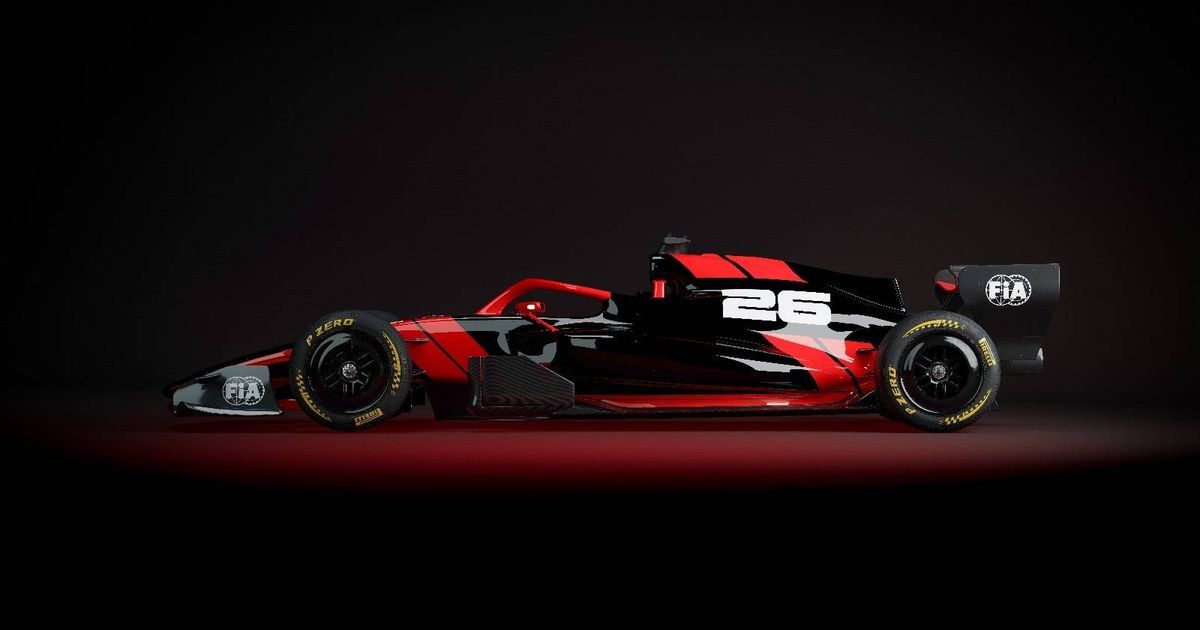
F1 Reveals Latest Design of Radically Different 2026 Cars
Formula 1 has released new images of the radically different 2026 cars, featuring smaller dimensions, a transformed 50/50 hybrid power unit, and the return of active aerodynamics to replace DRS, marking a major technical reset for the sport.
Formula 1 has unveiled new images showcasing the next-generation cars set to debut in 2026, marking the end of the current ground-effect era and the start of one of the most significant regulatory overhauls in recent memory. The cars will be smaller, lighter, and powered by a transformed hybrid unit, with active aerodynamics replacing DRS to reshape the racing spectacle.
Why it matters:
The 2026 regulations represent a fundamental shift in F1's technical philosophy, moving away from the complex ground-effect aerodynamics that have defined the sport since 2022. This reset aims to create more agile cars, enhance overtaking through a major power unit boost, and solidify the championship's move toward advanced sustainability, all while attempting to deliver closer racing.
The Details:
The changes are comprehensive, affecting every major area of the car.
- Power Unit Revolution: The hybrid system undergoes a fundamental change, targeting a 50/50 split between internal combustion and electric power. The complex MGU-H is removed, while the MGU-K's output skyrockets from 120kW to 350kW, providing a substantial power boost for overtaking. Cars will run on new, fully sustainable fuels designed to maintain performance.
- Chassis & Dimensions: Cars will be notably smaller and lighter. The wheelbase is reduced by 200mm, the overall width is narrower, and the minimum weight drops by 30kg. The floor is also narrower, moving away from the expansive Venturi tunnels used for ground effect.
- Aerodynamic Overhaul: Overall downforce is significantly reduced with the removal of ground-effect floors, and drag is targeted to drop by approximately 40%. The most visible change is the return of active aerodynamics, with movable front and rear wings that allow drivers to switch between high- and low-downforce configurations, replacing the current DRS system.
- Wheels & Tyres: The 18-inch wheels are retained, but both front and rear tyres will be narrower to further reduce drag and weight.
The Big Picture:
This regulatory shift is F1's concerted effort to address long-standing critiques. The goal is to produce cars that are more nimble and responsive for drivers, create better racing by reducing aerodynamic sensitivity and providing a powerful overtaking tool, and accelerate the sport's sustainability roadmap. It's a high-stakes reset that will challenge every team to innovate from a clean sheet of paper.
What's Next:
With the 2025 season concluded, teams will now intensify their development focus entirely on the 2026 project. The new images provide a conceptual template, but the real competitive innovation will happen behind closed doors as engineers interpret the new rules. The success of these sweeping changes will ultimately be judged on the quality of racing they produce when the new era begins on track.