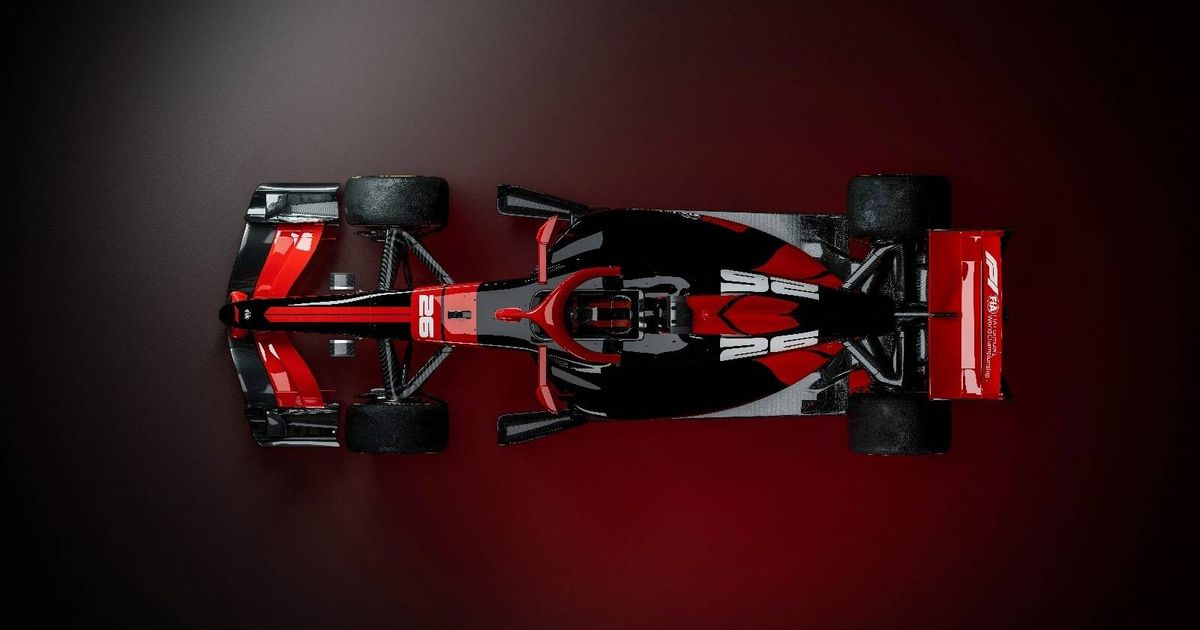
F1's 2026 Revolution: Smaller, Lighter, and Electrified Cars Aim to Boost Racing
Formula 1's 2026 technical regulations introduce a complete car redesign. Key changes include a 50/50 hybrid power unit, active aerodynamics with adjustable wings, and a smaller, lighter chassis—all aimed at producing closer racing and more overtaking by reducing aerodynamic turbulence.
The 2026 Formula 1 season will introduce a radical new generation of cars, featuring a 50/50 power split between engine and battery, active aerodynamics, and a smaller, lighter chassis—all designed to create closer racing and more overtaking opportunities. These sweeping changes represent the most significant technical reset since the 2022 ground-effect era began, fundamentally altering how teams and drivers will approach performance and strategy.
Why it matters:
This regulatory overhaul is a direct response to criticisms of modern F1 cars being too heavy, too large, and too difficult to follow closely. By mandating smaller dimensions, reducing downforce, and introducing new energy deployment modes, the FIA aims to level the playing field and prioritize wheel-to-wheel combat. The shift could reshuffle the competitive order, as teams with strong electrical and software departments may gain an early advantage.
The Details:
- Powertrain Revolution: The internal combustion engine (ICE) and the MGU-K electric motor will each contribute 50% of the total power, a dramatic increase from the current 82%/18% split. The complex MGU-H system is eliminated.
- New Engine Modes: DRS is replaced by three driver-managed modes:
- Overtake Mode: Provides an extra 0.5 MJ of energy when within one second of a car ahead, usable for an entire lap.
- Boost Mode: Manages the battery's energy stockpile for attack or defense.
- Recharge Mode: Recovers energy under braking and on throttle lifts.
- Smaller & Lighter Package: Cars will be 200mm shorter in wheelbase (3400mm) and 100mm narrower (1900mm). Minimum weight drops by 30kg to 768kg.
- Active Aerodynamics: Drivers can adjust front and rear wing angles between a high-downforce "Corner Mode" and a low-drag "Straight Mode" on specific track sections to aid overtaking.
- Aero Philosophy Shift: A key design goal is to promote an "in-washing" effect, using the front wing and outer fences to push turbulent air inward toward the bodywork rather than outward, reducing the dirty air for a following car.
What's next:
With the official shakedown in Barcelona less than two months away, teams are in a frantic final development phase. The success of these regulations hinges on achieving the intended balance: creating cars that are nimble and raceable without sacrificing the sheer performance that defines F1. Driver skill in managing the new energy modes and active aero will become as critical as pure speed, potentially creating a new breed of specialist within the grid.