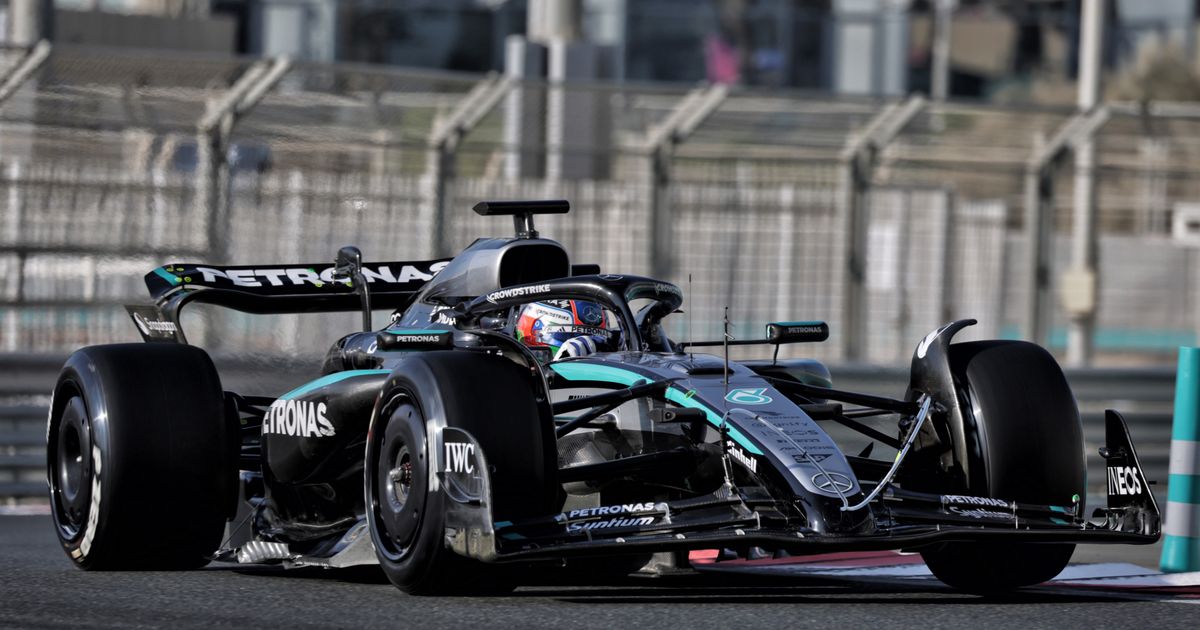
F1's 2026 Sustainable Fuel Mandate Reshapes Partner Dynamics
F1's 2026 regulations mandate advanced sustainable fuels, creating a new technical challenge for power unit manufacturers and their fuel partners like Shell and Petronas. This shift is as critical as the new engines themselves.
As Formula 1 prepares for a major regulatory reset in 2026, the focus isn't just on the new power units but also on the fuel that powers them. The sport is mandating a switch to advanced sustainable fuels, a move that presents a significant technical challenge and opportunity for both manufacturers and their dedicated fuel partners.
Why it matters:
This transition is central to F1's goal of becoming more sustainable and relevant in a changing world. Beyond environmental messaging, it introduces a new competitive frontier. The ability to develop a fuel that maximizes performance within the strict sustainability guidelines could become a key differentiator, potentially shifting the balance of power on the grid.
The details:
- Fuel Composition: The FIA requires fuels to be created from 'Advanced Sustainable Components' (ASCs). These must be sourced from non-food biomass, renewable non-biological feedstock, or captured municipal waste, and must significantly reduce greenhouse gas emissions compared to traditional fuels.
- Strict Verification: The FIA will implement a robust verification process to ensure all fuels comply with the new, stringent sustainability standards.
- The Partner Grid: The new rules put a spotlight on the crucial role of fuel suppliers, each now locked in a high-stakes development battle:
- Mercedes-Petronas: Powers Mercedes, McLaren, Williams, and Alpine.
- Ferrari-Shell: Powers Ferrari, Haas, and the incoming Cadillac.
- Red Bull Ford-ExxonMobil: Powers Red Bull and Racing Bulls.
- Honda-Aramco: Powers Aston Martin.
- Audi-Castrol (bp): Powers the factory Audi team.
What's next:
The 2026 season will be a test of innovation not just for the engine builders, but for the chemists and engineers at Shell, Petronas, ExxonMobil, Aramco, and Castrol. The race is on to unlock performance from these complex new fuels. The partner that can master this chemistry could provide their teams with a crucial, championship-defining advantage.