F1's 2026 Tech Revolution: A Guide to New Cars, Engines, and Racing
Formula 1 is set for a massive technical revolution in 2026, introducing smaller, lighter cars, a 50/50 combustion-electric power split, and an 'Active Aero' system to replace DRS. The new regulations will shift the focus heavily towards sophisticated energy management for drivers and teams.
Formula 1 is on the brink of its most significant technical overhaul in a generation with the 2026 regulations, designed to create more agile cars and closer racing while dramatically increasing electrification. The new rules will feature narrower, lighter chassis, a near 50/50 power split between combustion and electric units, and a complex energy management system that replaces the traditional DRS. This fundamental shift aims to make F1 more sustainable and strategically demanding, with a greater emphasis on driver skill in energy deployment.
Why it matters:
The 2026 reset is crucial for the future of F1, aiming to solve the 'dirty air' problem that has hindered close-quarters racing for years. By shifting the focus from raw horsepower to efficient energy deployment and strategic management, the sport hopes to create more overtaking opportunities. This new, more sustainable and technologically relevant formula is also key to attracting and retaining major manufacturers like Audi and Cadillac, ensuring the grid's strength and competitiveness for years to come.
The details:
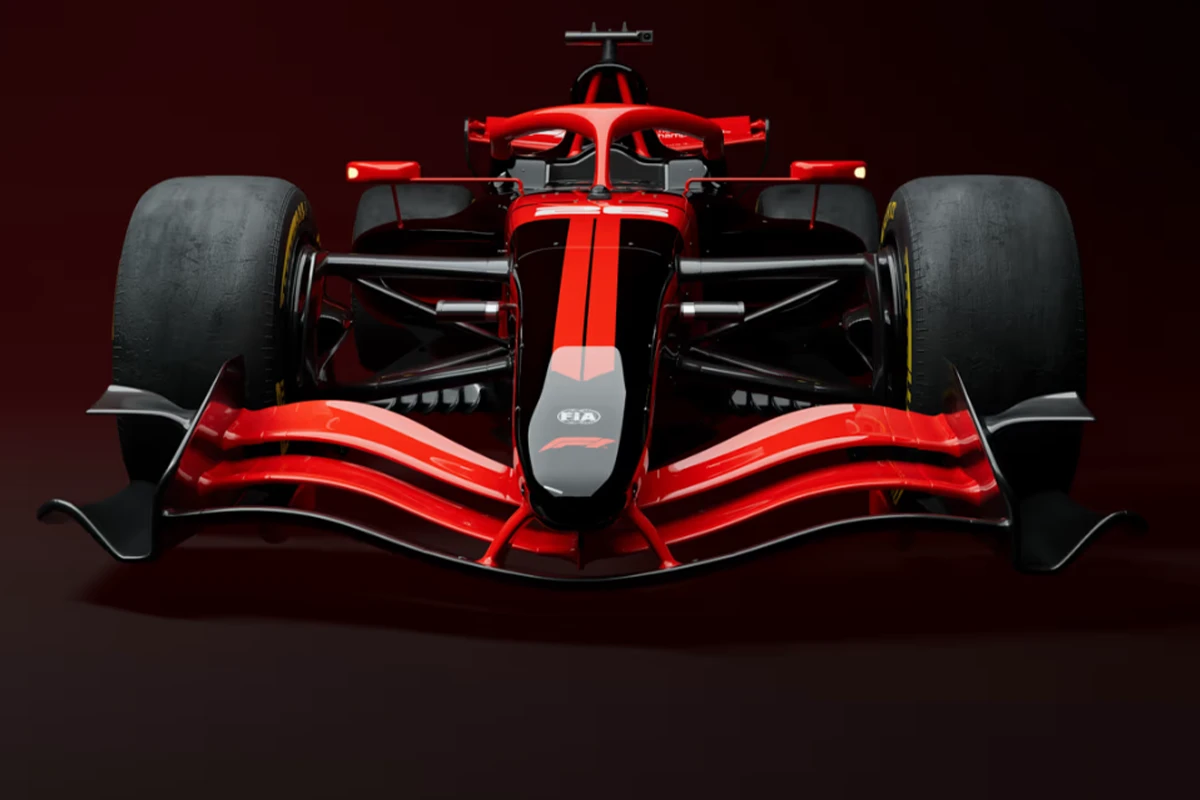
- Car & Chassis: The cars will be smaller and lighter. The width will be reduced from 2.0m to 1.9m, the wheelbase will shrink by 200mm, and the minimum weight will drop by 30kg to 770kg. The 18-inch wheel rims remain, but the tires will be narrower to reduce drag and weight.
- Active Aero: The Drag Reduction System (DRS) is being replaced by 'Active Aero'. This system will have two modes: a 'Corner Mode' with more wing angle for downforce and a 'Straight Mode' where the wings flatten to minimize drag. Unlike DRS, any driver can use 'Straight Mode' in designated zones, not just those within one second of the car ahead.
- Power Unit: The 1.6-liter V6 turbo engine remains, but the complex MGU-H is eliminated. The electric MGU-K becomes much more powerful, increasing from 120 kW to 350 kW. This creates a near 50/50 split in power delivery, with the combustion engine providing 400 kW and the electric motor 350 kW for a total of around 1,000 horsepower. All power units will run on fully sustainable fuels.
- Energy Management: This will be the new strategic core. Drivers can recover 8.5 megajoules (MJ) of energy per lap and can only use a 4 MJ state-of-charge window in the battery. This provides approximately 24 seconds of maximum electric power per lap. Deployment is also speed-limited, phasing out at high speeds.
- New Overtaking Aids: To replace DRS, F1 is introducing an 'Overtake Mode'. When a driver is within one second at a detection point, they can deploy full electric power up to a higher speed (327 km/h vs. 290 km/h) and use an extra 0.5 MJ of energy. Drivers will also have a manual 'Boost' button for attack or defense.
Looking Ahead:
The success of the 2026 regulations will hinge on how these complex systems translate to on-track action. Drivers will need to become masters of energy management, constantly balancing deployment and recharge phases throughout a lap. While the goal is more wheel-to-wheel racing, the intricate rules could initially lead to a steep learning curve for teams and a different kind of strategic spectacle for fans to follow.