F1's Greatest Loopholes: From Double Diffusers to Flexi-Wings
From double diffusers to flexi-wings, F1 teams have consistently exploited regulatory loopholes to gain a decisive advantage, often reshaping entire seasons and forcing rule changes.
Amid rumors of a clever engine loophole for Mercedes' 2026 power unit, it's a fitting time to look back at how regulatory gray areas have defined modern Formula 1. These moments of ingenuity have not only delivered stunning performance gains but have also forced the sport's governing body to constantly adapt, often creating legendary underdog stories and periods of outright dominance that reshape entire seasons.
Why it matters:
In a sport where hundredths of a second separate victory from defeat, finding a legal yet unanticipated interpretation of the rules can be the difference between a championship and an also-ran season. These loopholes highlight the constant cat-and-mouse game between the teams' engineers and the FIA, shaping the competitive landscape and often leading to dramatic shifts in the pecking order.
The details:
F1's recent history is filled with examples of teams outsmarting the regulations:
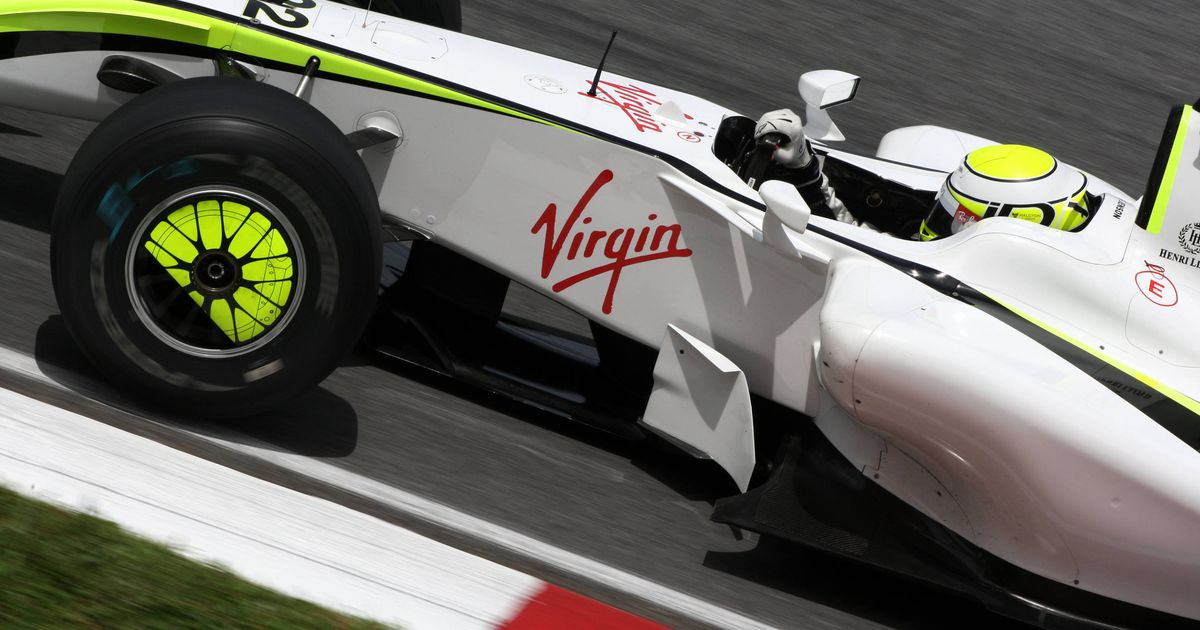
- Brawn GP's Double Diffuser (2009): Widely considered the most influential loophole, Brawn interpreted holes in the floor rules to create a second diffuser, generating massive downforce with no drag penalty. The design was legal for 2009, propelling Jenson Button to the title before being banned for 2010.
- McLaren's F-Duct (2010): An ingenious system that allowed the driver to stall the rear wing on straights by covering a cockpit vent, drastically reducing drag. It was a precursor to DRS, legal for one season before being outlawed.
- Ferrari's Power Unit (2019): The SF90's sudden straight-line speed advantage led rivals to suspect Ferrari was exploiting the fuel-flow sensor. The FIA issued a Technical Directive and later a confidential settlement with Ferrari, which coincided with a significant performance drop for the team.
- McLaren's Flexi-Wings (2024): McLaren's rear wing appeared to flex on track, reducing drag for higher top speeds—a passive DRS effect. It complied with static FIA tests, prompting the governing body to introduce stricter, more dynamic testing protocols mid-season.
Looking Ahead:
The recent flexi-wing saga shows that this cycle of innovation and regulation is far from over. As F1 prepares for a massive rules reset in 2026, teams are undoubtedly working hard to find the next 'double diffuser.' The rumored Mercedes engine workaround is just the latest example of this relentless pursuit. If history is any guide, the 2026 season will likely be defined not just by who builds the best car, but by who best interprets the new rulebook.