F1 Team Boss Warns Qatar GP Risks Being 'Destroyed' by Tyre Rule
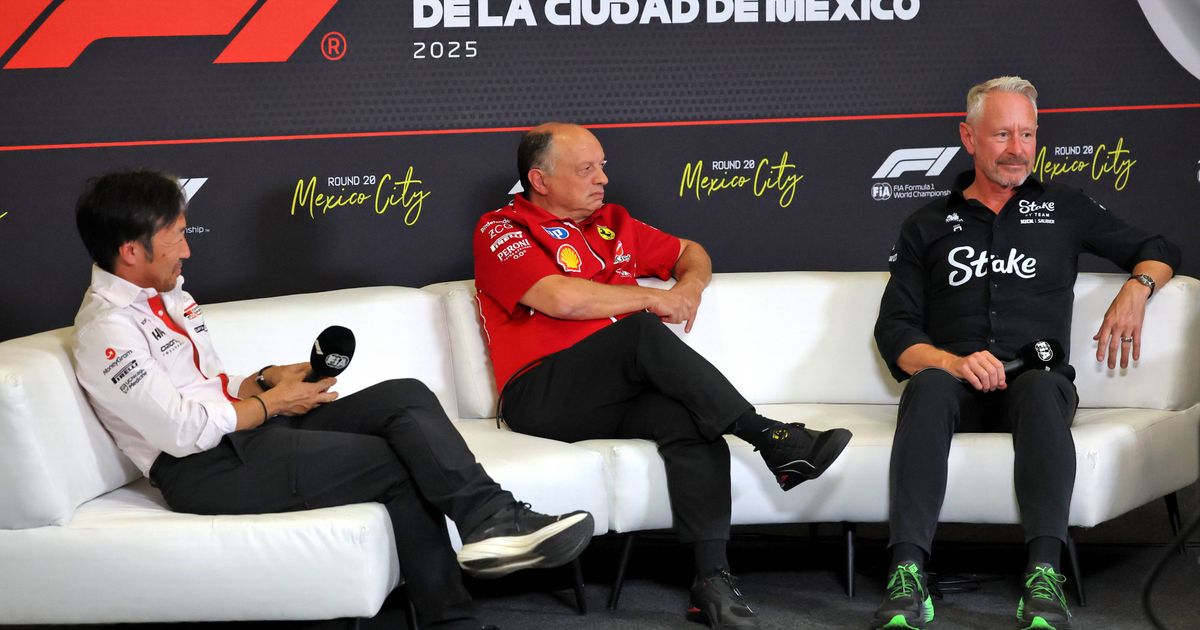
Haas F1 team principal Ayao Komatsu has vocally criticized Pirelli's mandatory pit stop rule for the Qatar Grand Prix, warning it could "destroy the race" by imposing artificial limits on strategy. Komatsu argues that such rules, driven by past tyre wear concerns, prevent natural, exciting multi-strategy races like those seen in Mexico City and Brazil, advocating for conditions that challenge teams without heavy-handed intervention to preserve F1's competitive integrity.
Haas F1 team principal Ayao Komatsu has issued a stern warning that the upcoming Qatar Grand Prix could be "destroyed" due to a strict, mandatory pit stop rule imposed by Pirelli. Komatsu criticized what he views as artificial limits on racing, arguing that such interventions undermine the sport's natural excitement and strategic depth.
Why it matters:
Pirelli's mandated maximum stint length for tires at the Qatar Grand Prix has sparked a debate about the balance between safety and competitive racing. For Komatsu and others, artificial limitations stifle strategic diversity and reduce the thrill of F1, potentially impacting fan engagement and the integrity of the sport as a whole. This situation highlights the ongoing tension between safety regulations and the desire for unpredictable, multi-strategy races.
The Details:
- Komatsu's Criticism: During the Las Vegas Grand Prix weekend, Komatsu voiced strong disapproval of Pirelli's strict tyre rule for Lusail, stating, "I think it will destroy the race." He views these limits as "artificial" and born out of Pirelli's caution following previous incidents.
- Artificial Limits: The Haas boss believes that imposing such restrictions, similar to those seen in Monaco and the 2023 Qatar race, prevents organic race strategies from unfolding. He highlighted that these rules make a one-stop race impossible, which he argues is not beneficial for the sport.
- Examples of Exciting Racing: Komatsu pointed to the Mexico City and Brazil Grands Prix as prime examples of how compelling races can be when teams are pushed to the edge by tyre performance, allowing for multiple viable strategies (one-stop, two-stop, or even three-stop) to emerge naturally. He asserted that this is what Pirelli should aim for.
- Mandatory Pit Stop Rule: For the Qatar Grand Prix, teams are restricted to running a specific tyre compound for a maximum of 25 laps. Pirelli justifies this rule due to concerns over tyre wear, a reason similar to the one given for a regulation in the 2023 Qatar race, which was primarily linked to kerb damage.
- Pirelli's 2026 Change: Separately, Pirelli announced it will discontinue its soft C6 compound for the 2026 season, a compound that has frequently appeared in races.
The big picture:
The debate over tyre regulations and artificial race limitations is not new in Formula 1. While safety is paramount, especially after past tyre failures, team principals like Komatsu advocate for solutions that don't compromise the sporting spectacle. The challenge for Pirelli and F1 management is to ensure driver safety without overly dictating race outcomes, allowing genuine strategic battles to define the competition.
What's next:
The 2024 Qatar Grand Prix will proceed with the mandatory pit stop rule in effect, forcing all teams to adapt their strategies within the imposed limits. The race will serve as a real-world test of Komatsu's concerns, with fans and teams alike scrutinizing whether the rule indeed "destroys" the competitive aspect or if teams can still deliver an exciting spectacle under the constraints. The broader discussion around balancing safety, strategy, and entertainment will undoubtedly continue beyond this event.