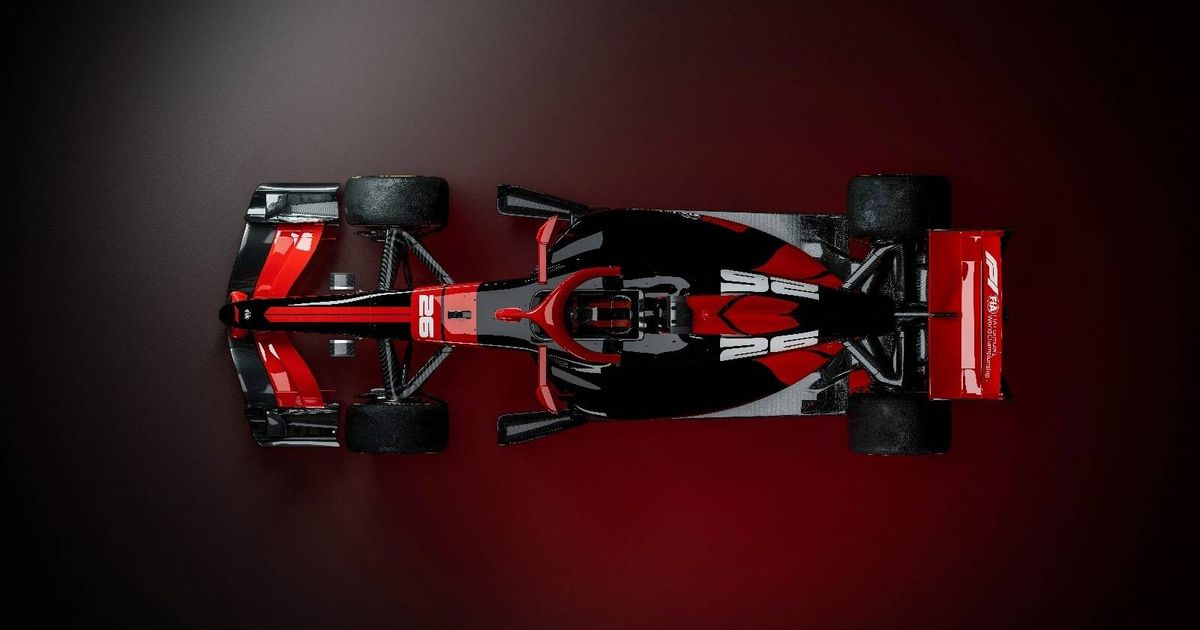
F1 Tech: What Will Change on the 2026 Cars?
The 2026 F1 regulations bring a complete technical revolution: smaller, lighter cars with a 50/50 hybrid power unit, active aerodynamics with adjustable wings, and new strategic engine modes that replace DRS. The changes aim to create closer racing, higher top speeds, and a greater emphasis on sustainable technology.
The 2026 Formula 1 season will introduce the most radical technical overhaul in a decade, featuring smaller, lighter cars powered by a 50/50 hybrid powertrain and equipped with active aerodynamics. These sweeping changes, designed to create closer racing and higher top speeds, will redefine car design, driver strategy, and the competitive landscape.
Why it matters:
This regulation reset represents a fundamental shift in F1's technical philosophy, prioritizing overtaking and sustainability. The move to equal power from the engine and battery, coupled with active aero and reduced car dimensions, aims to directly address fan and driver criticisms of the current generation of cars being too heavy and difficult to race closely. The success of these rules will shape the sport's on-track product for years to come.
The Details:
- Powertrain Revolution: The internal combustion engine (ICE) and the MGU-K electric motor will each contribute 50% of the car's total power, a dramatic increase from the current 82%/18% split. The complex MGU-H is eliminated.
- The 1.6L V6 ICE will run exclusively on sustainable fuels sourced from waste and non-food biomass.
- The MGU-K's output surges to 350 kW, nearly triple its current capacity, and will be the sole source of battery recharging via braking and throttle lift.
- Strategic Engine Modes: Drivers will manage three key power modes, replacing the current DRS system as the primary overtaking tool.
- Overtake Mode: Provides an extra 0.5 MJ of energy when within one second of a car ahead, usable in a single burst or spread across a lap.
- Boost Mode: Allows drivers to strategically deploy their stored battery energy (ERS) for attack or defense.
- Recharge Mode: Recovers energy under braking and on throttle lifts.
- Smaller, Lighter Chassis: Cars will shrink significantly to improve agility.
- Wheelbase is reduced by 200 mm to 3400 mm, and overall width drops 100 mm to 1900 mm.
- Minimum weight falls by 30 kg to 768 kg.
- Front tires are 25mm narrower, rears are 30mm narrower.
- Active Aerodynamics: A defining feature where drivers can adjust wing angles on command.
- Corner Mode: Wings set to a high angle of attack for maximum downforce in corners.
- Straight Mode: Wings "open" to a low-drag configuration for higher top speeds on straights.
- Aero Philosophy Shift: All surfaces are designed to promote an "in-washing" effect, pushing turbulent air inward toward the car's bodywork rather than outward into the path of a following car. Key elements include a redesigned three-element front wing with a complex endplate and a long outer fence behind the front tires.
What's next:
With the official shakedown in Barcelona less than two months away, teams are in a frantic race against time to unlock performance from this entirely new concept. The interplay between the complex energy management of the 50/50 powertrain and the strategic use of active aero will place a huge premium on driver skill and race strategy. If the regulations deliver on their promise, we could see a dramatic reshuffling of the competitive order and more wheel-to-wheel battles in 2026.