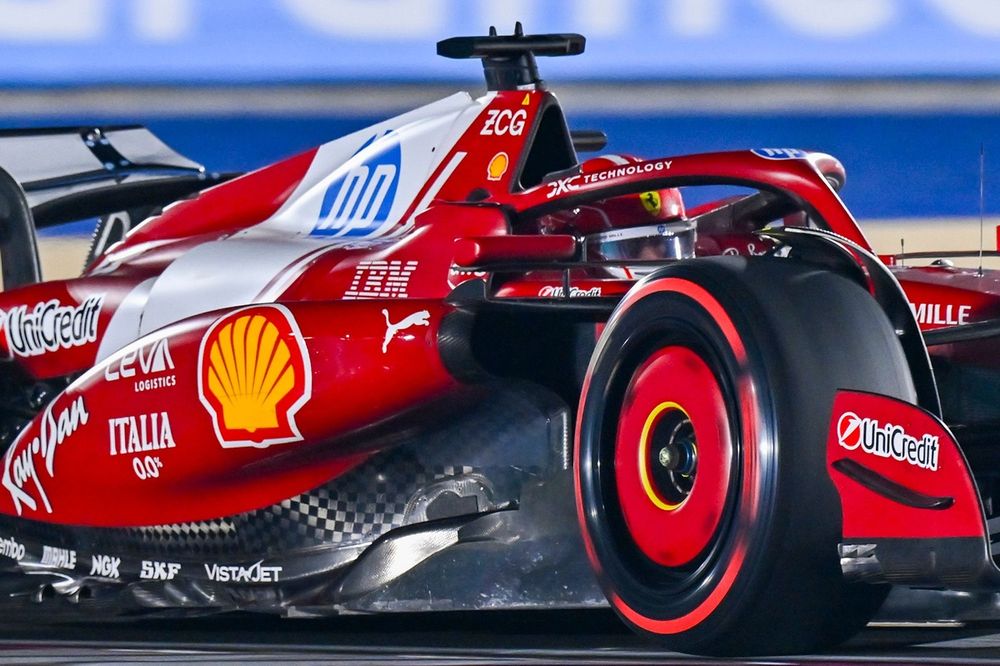
Ferrari Blames "Balloon" Tyre Pressures for Qatar GP Struggles
Ferrari's team principal, Frederic Vasseur, confirmed that their struggles at the Qatar Grand Prix, which marked their worst F1 performance of the year, were primarily due to failing to adapt to the mandated high tire pressures. This issue left their cars unstable, exacerbating setup challenges and hindering both Charles Leclerc and Lewis Hamilton's ability to compete. The team's poor performance led to a significant drop in the Constructors' Championship standings.
Ferrari's team principal, Frederic Vasseur, has attributed the Scuderia's dismal performance at the Qatar Grand Prix—their worst of the year—to their inability to properly adapt to the mandated high tire pressures. This issue reportedly left their cars feeling like they were 'on a balloon' throughout the weekend, severely impacting their setup and overall pace.
Why it matters:
Ferrari's struggles in Qatar saw them drop to fourth in the Constructors' Championship, a significant setback after briefly holding second place. Their inability to manage tire prescriptions effectively highlights a critical weakness that could undermine their efforts to compete consistently at the front of the grid, especially as rivals like Mercedes and McLaren continue to find pace.
The details:
- Performance Hit: Both Charles Leclerc and Lewis Hamilton had a challenging weekend. Leclerc qualified ninth for the sprint and tenth for the grand prix, while Hamilton started 18th in both sessions. The team scored a meager four points, their lowest haul this season outside of a double retirement.
- Tire Pressure Mandate: Due to concerns over tire wear at the Losail track, Pirelli adjusted mandated tire pressures, and cars were prohibited from running stints longer than 25 laps in the race.
- Vasseur's Take: Frederic Vasseur stated that Ferrari 'did a worse job than the others' in dealing with the high tire pressures, which made their cars feel unstable. He emphasized that while the conditions were the same for everyone, Ferrari failed to find a suitable setup.
- Development Freeze vs. Setup: Vasseur dismissed suggestions that the performance dip was due to halting SF-23 development in April, pointing to their Austin podium finish as evidence. Instead, he stressed that the main issue in Qatar was a fundamental setup problem from the very first lap.
- Compounding Factors: A power steering issue further hampered Ferrari's efforts to find the right setup. The sprint weekend format, with only one practice session, exacerbated this challenge, leaving the team with insufficient time to make necessary adjustments.
- Tight Margins: Vasseur highlighted the extreme competitiveness of the field, noting that a mere two-and-a-half tenths of a second could separate P5 from P16 in qualifying. This meant being 'out of the window' on setup instantly cost many positions, making recovery difficult on a track with low degradation and mandatory pit stops.
What's next:
Ferrari will need to thoroughly analyze their Qatar struggles to prevent similar issues from derailing their remaining races. With the Constructors' Championship battle still tight, understanding and rectifying their tire pressure and setup deficiencies will be crucial for reclaiming momentum and finishing the season strong. The team will be under pressure to demonstrate better adaptability to changing race conditions in future events.