Ferrari Plans Split Launch for 2026 F1 Car Amid Major Regulation Overhaul
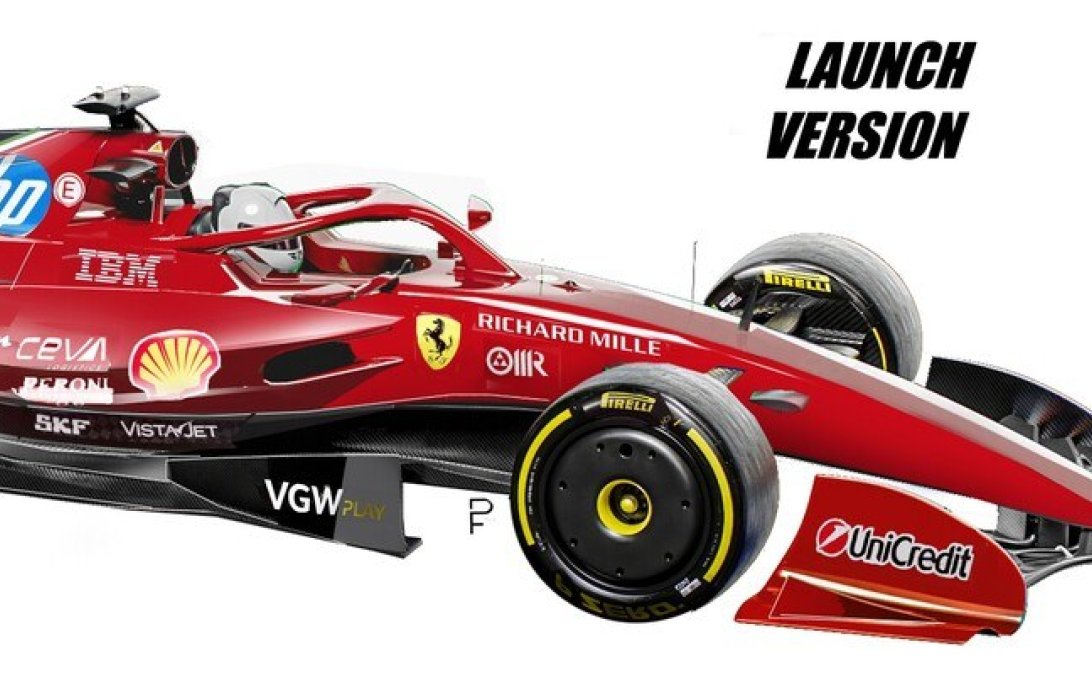
To manage the risks of huge 2026 regulation changes, Ferrari will debut a basic 'launch spec' car for January testing before evolving it into a more competitive 'Melbourne spec' for the season opener.
Ferrari is planning a two-stage rollout for its 2026 Formula 1 car, with a basic launch-spec machine set for January's shakedown and a significantly more developed version planned for the season opener in Melbourne. This cautious strategy is designed to mitigate the risks associated with the most significant technical regulations overhaul in over a decade, which impacts everything from aerodynamics to power units.
Why it matters:
The 2026 regulations represent a clean slate, effectively forcing teams to build from the ground up with minimal carryover from the current generation of cars. A misstep in interpreting these complex new rules could compromise an entire season. Ferrari's phased approach is a calculated risk management strategy, prioritizing fundamental validation over early headline performance to ensure their championship challenge isn't derailed by unproven concepts.
The details:
- The 'Launch Spec' car, debuting January 23, will act as an on-track test bench during private Barcelona tests. Its primary purpose is to validate packaging, fluid dynamics, and electronics for the new power unit, not to set fast lap times.
- The 'Melbourne Spec' car will be the focus for the Bahrain pre-season test and the first race. It will feature significant aerodynamic upgrades based on data from the initial Barcelona runs.
- Nose and Radiators: The nose is a critical design zone due to new safety rules and the introduction of active aerodynamics. The Melbourne car is expected to feature repositioned, smaller radiators, allowing for a more aggressively narrowed rear end and cleaner airflow.
- Suspension Shift: Ferrari is likely to revert to a push-rod suspension layout at both the front and rear. This change is driven by aerodynamic philosophy, as it theoretically allows for a slimmer chassis and better airflow management to the rear diffuser, rather than any failure of the current pull-rod system.
Looking Ahead:
Ferrari's multi-version approach means the paddock won't see the team's true 2026 potential until the Bahrain tests, or even the first race weekend in Melbourne. While this methodical strategy reduces the risk of a catastrophic start, it also places immense pressure on the development team to deliver a significant performance jump between the two specifications. The success of this plan will be a major indicator of Ferrari's readiness to challenge for championships under the new era.