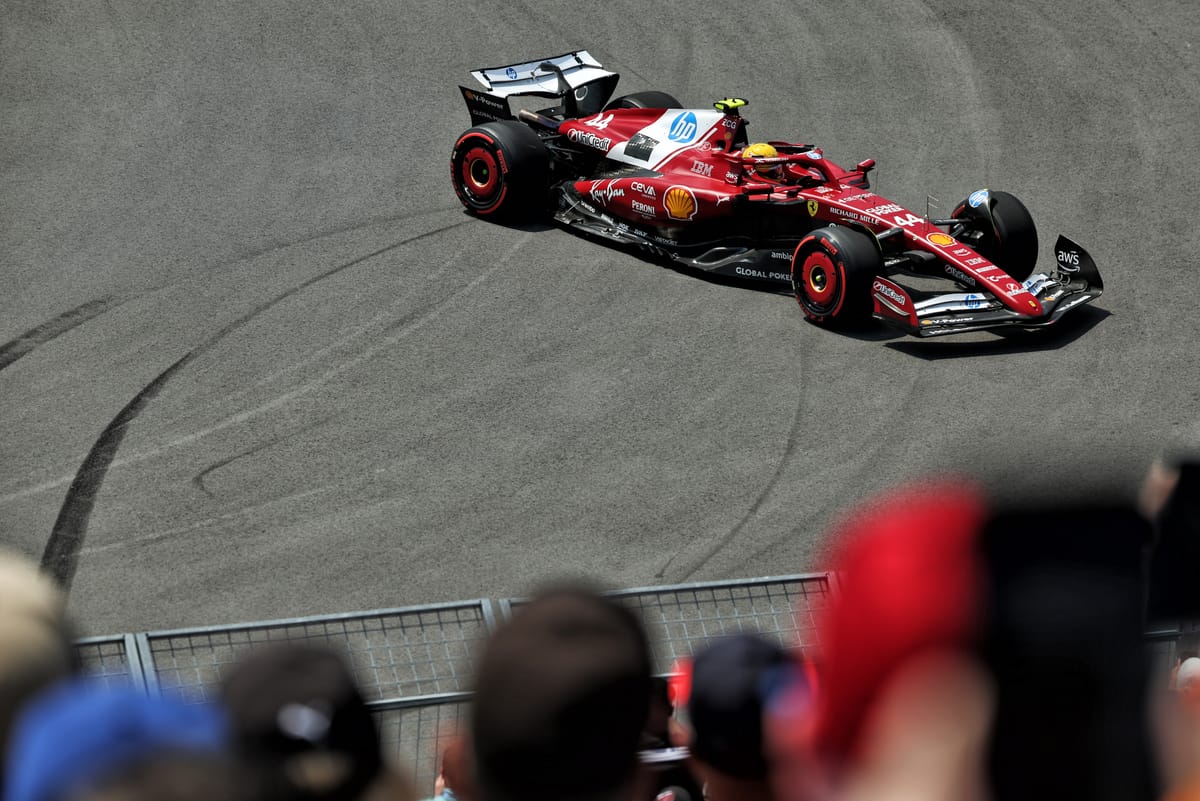
Ferrari Underestimated Psychological Cost of Early 2025 F1 Development Shift
Ferrari's decision to shift early development focus to the 2026 F1 season, while strategic, led to unexpected psychological challenges for the team in 2025. Team principal Fred Vasseur admitted underestimating the morale impact of knowing no major aerodynamic upgrades were coming for the current season, despite driver support for the long-term plan.
Ferrari's 2025 Formula 1 season has been a significant challenge, not only due to performance but also the unexpected psychological toll of an early development shift to 2026. While a pragmatic decision given McLaren's dominance, team principal Fred Vasseur admits the impact on morale was not fully anticipated.
Why it matters:
After years of fluctuating performance, Ferrari's strategic sacrifice of the 2025 season for 2026 highlights the immense pressure and psychological burden on a top F1 team. This decision, aimed at long-term success, has had immediate, unforeseen consequences on team morale, underscoring the human element in high-stakes motorsport.
The details:
- Early Decision for 2026: Recognizing McLaren's superior performance early in the 2025 season, Ferrari made a strategic call by late April to redirect significant development resources from 2025 to 2026. This was a direct contrast to rivals like Red Bull, who continued to push for 2025 success.
- Unforeseen Psychological Impact: Team principal Fred Vasseur acknowledged underestimating the psychological challenge of this shift. Knowing there were still many races left in 2025 with no major aerodynamic upgrades proved tough for the team.
- Continued Efforts: Despite the aero focus on 2026, Ferrari did introduce some mechanical upgrades (e.g., floor upgrades at the Austrian GP, revised rear suspension in Belgium) and aimed for operational improvements throughout the rest of 2025.
- Driver Involvement and Support: The decision to shift focus was made collaboratively with drivers Charles Leclerc and Lewis Hamilton, who both expressed their support for the long-term strategy, despite the immediate difficulties.
- Leclerc initially noted the sacrifice of the season's end for 2026 but later downplayed its impact on his overall approach, viewing it as a "no-brainer" given their position.
- Hamilton emphasized that "other things have needed attention" beyond development, pointing to the broader impact of poor results and media negativity on the team's morale.
Between the lines:
While the strategic move to prioritize 2026 development was logical from a technical standpoint, the emotional toll on a team like Ferrari, accustomed to fighting for wins, was considerable. The constant media scrutiny and the struggle to deliver strong results, even when strategically accepting a difficult year, create a taxing environment for everyone involved, from mechanics to engineers and their families.
What's next:
The true test of this strategy will come in 2026. If Ferrari's early focus on the new regulations pays off with a competitive car, the psychological scars of 2025 might heal. However, the current challenge highlights that even calculated sacrifices in F1 come with complex human implications that can impact team cohesion and resilience, the recovery from which will be crucial for future success.