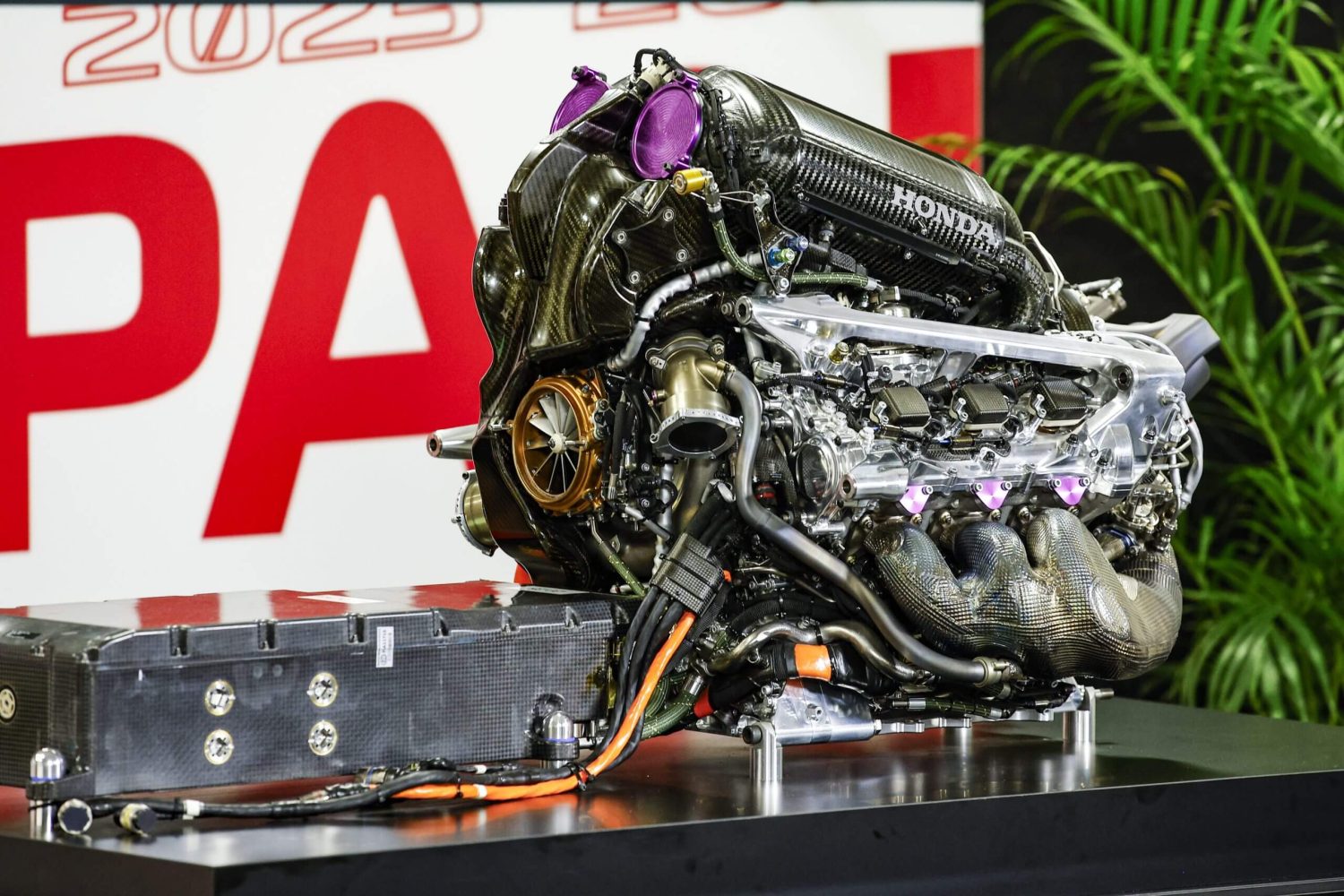
FIA: 2026 Power Units to Create Initial Gaps Before Grid Converges
The FIA predicts 2026's new power units will create early performance gaps, but a new system will allow manufacturers to catch up, aiming for a more competitive grid over time.
The FIA anticipates that the new 2026 power units will be the primary factor creating early performance gaps on the Formula 1 grid. However, the governing body has implemented new systems, like the ADUO, designed to help lagging manufacturers catch up more quickly than in past regulation changes, aiming for long-term competitive balance.
Why it matters:
The 2026 season represents one of F1's biggest technical resets, with new engine regulations and active aerodynamics. The FIA is keen to avoid a repeat of the 2014 hybrid era, where Mercedes' power unit advantage led to years of dominance. These new measures are a direct attempt to ensure closer racing and prevent any single manufacturer from establishing a prolonged, insurmountable lead, which is crucial for the spectacle of the championship.
The details:
- Engine as the Initial Differentiator: FIA single-seater director Nikolas Tombazis stated he expects the Internal Combustion Engine (ICE) to be the main source of performance differentiation at the season's start. With newcomers like Audi and Red Bull Ford joining established players, the development race is expected to be fierce.
- The ADUO System: To prevent a runaway leader, the FIA introduced the Additional Development & Upgrade Opportunities (ADUO) system. Power unit outputs will be monitored every six races, and any manufacturer found to be more than 2% off the pace will be granted extra dyno time and upgrade tokens to help them close the gap.
- Aerodynamic Factor: While engines will set the early pace, the completely new aerodynamic regulations, featuring moveable front and rear wings, will also create initial variations. Tombazis predicts a period of convergence over the first six to twelve months as teams optimize their "shape-shifting" cars.
What's next:
While the grid may not be as tightly packed as it was in the highly competitive 2025 season right from the first race in Melbourne, the FIA's goal is a more compact field in the long run. Tombazis believes that once performance converges, the 2026 grid will be closer than what was seen in 2025. The focus is on ensuring that even if a few teams struggle initially, the championship battle at the front remains compelling for fans.