FIA Admits Key Oversight on F1's Ground-Effect Ride Height
The FIA acknowledges it failed to predict how low teams would run their ground-effect cars, a key oversight that led to porpoising, driver discomfort, and intense scrutiny over plank wear throughout the 2022-2025 era.
The FIA has conceded a major regulatory oversight, admitting it failed to anticipate how extremely low Formula 1 cars would need to run to maximize performance in the ground-effect era. According to single-seater director Nikolas Tombazis, the pursuit of minimal ride height became the era's defining performance lever, a 'miss' by both the governing body and teams that emerged too late for an easy fix.
Why it matters:
This oversight directly shaped the competitive and physical landscape of F1 for four years. It forced teams into an aggressive design philosophy that pushed the boundaries of reliability and driver comfort, turning plank wear into a major technical and sporting controversy. The situation underscores the immense challenge of writing regulations that both promote close racing and prevent teams from finding extreme, unintended performance loopholes.
The details:
- The 'Miss': Tombazis stated that the issue of ultra-low ride heights was not raised by anyone during the regulation design phase and only became obvious just before the 2022 season started.
- Unintended Consequences: The push for lower cars directly contributed to the severe porpoising that dominated the 2022 season and continued to cause significant physical discomfort for drivers.
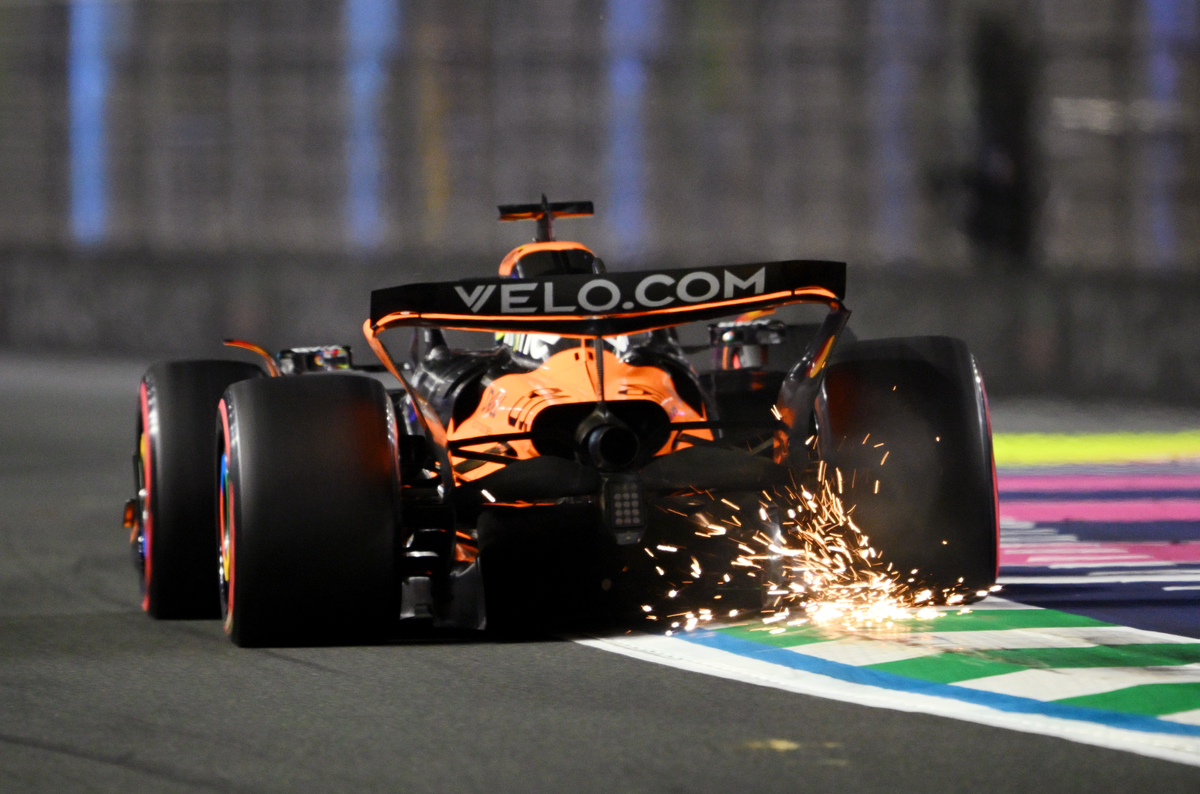
- Plank Scrutiny: The low-running philosophy led to intense focus on the legality of car floors. High-profile checks on plank and skid wear, like those at the 2023 US GP and 2025 Las Vegas GP, highlighted how fine the line was between competitive advantage and disqualification.
- No Easy Fix: The FIA considered but dismissed changes to suspension rules, believing they wouldn't have had a "first-order effect." Tombazis also noted that while further standardization could solve such issues, it would undermine F1's core identity as a "technological battle."
What's next:
Looking ahead to the 2026 regulations, the FIA is cautiously confident the issue will not be repeated. The new rules retain ground-effect principles but feature a much simpler, flatter floor, which is designed to make downforce less sensitive to ride height. While Tombazis believes this will "reduce the chance of porpoising," he admits the governing body has learned not to declare victory too early, as unforeseen issues can always emerge when the new cars finally hit the track.