FIA and F1 Drivers Discuss Evolving Race Guidelines with Five Key Incidents
F1 drivers and the FIA met at the Qatar Grand Prix to review and refine racing guidelines for 2026, focusing on five contentious incidents. Discussions highlighted issues with current rules on overtaking, track limits, and racing incidents, aiming to incorporate driver feedback for fairer and more consistent stewarding decisions. Key areas for change include greater discretion for stewards and clearer definitions for complex racing scenarios.
Formula 1 drivers and the FIA engaged in a crucial discussion at the Qatar Grand Prix, focusing on five specific incidents to refine and enforce racing guidelines for the 2026 season. This annual review, attended by 16 drivers, FIA stewards, and officials, centered on the contentious guidelines introduced in 2022, which dictate permitted actions during overtakes, track limits, impeding, and gaining lasting advantages.
Why it matters:
The current F1 guidelines, while aiming for consistency, have drawn criticism from drivers for their rigid application, particularly regarding car positioning during overtakes. This meeting represents a critical step toward incorporating driver feedback and real-world racing nuances into the rulebook, potentially leading to fairer and more intuitive stewarding decisions. Evolving these rules is essential to maintain competitive racing while ensuring safety and clarity for all competitors.
The details:
The discussions primarily revolved around five case studies from recent seasons:
-
Piastri on Antonelli, Interlagos (Overtaking on the inside): Oscar Piastri was penalized for a collision during an inside overtake attempt. The existing guideline mandates the overtaking car's front axle be alongside the defending car's mirror at the apex and driven in a controlled manner (discouraging lock-ups). Drivers argued that track camber in Interlagos makes lock-ups likely without loss of control, suggesting Piastri was unfairly penalized. Lando Norris reportedly advocated for his teammate, emphasizing the need for driver stewards to have more discretion for mitigating factors.
-
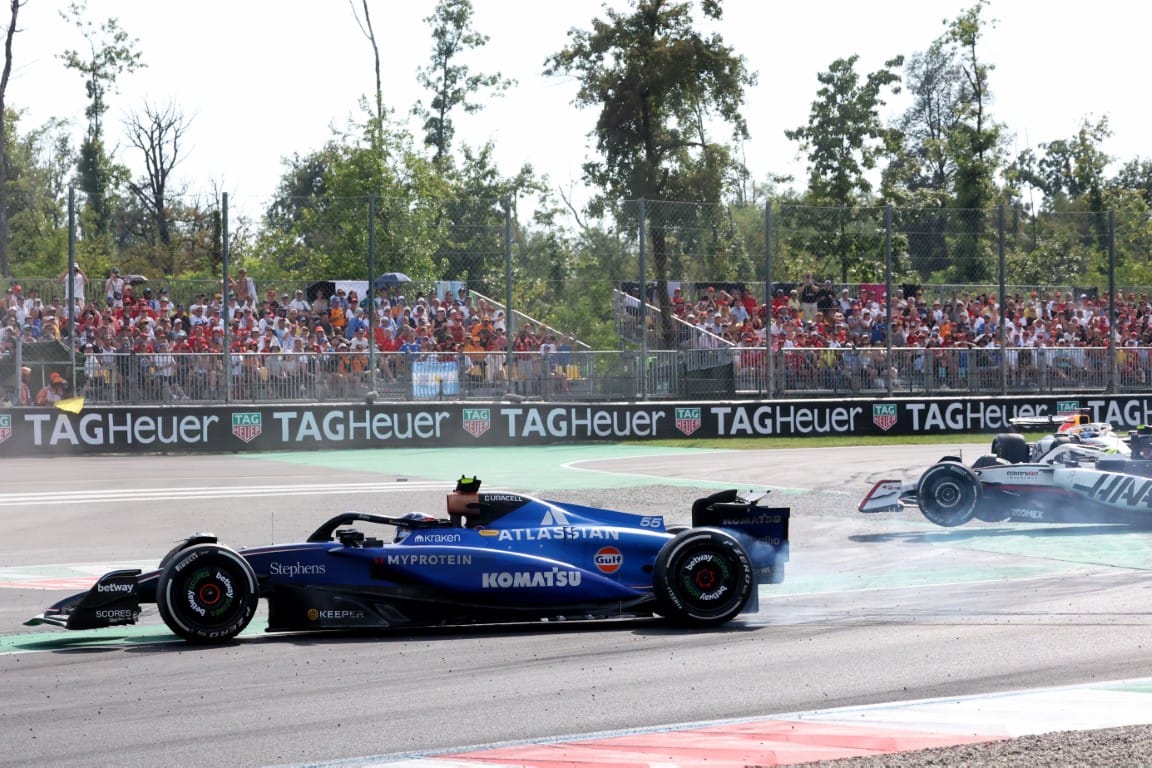
Sainz–Bearman, Monza (Overtaking on the outside): Bearman received a penalty for causing a collision when Sainz attempted an outside overtake. The guideline dictates the outside car is entitled to room if its front axle is ahead at the apex, controlled, and within track limits. Bearman was punished despite many drivers viewing it as a racing incident, as Sainz, by guideline, had the right to the corner. This incident highlighted how current rules can inadvertently empower drivers, leading to potential updates for chicanes and S-bends.
-
Sainz on Lawson, Zandvoort (Overtaking on the outside): Carlos Sainz was penalized for contact after attempting an outside overtake on Liam Lawson in a long-radius corner. Sainz hit Lawson's rear upon corner exit after Lawson corrected a slide. While Sainz's penalty points were rescinded after a review, the incident exposed the guidelines' limitation in defining an apex in such corners. Future changes may involve specific guidance for long-radius corners or greater stewarding discretion.
-
Norris on Leclerc, Austin (Leaving the track and gaining a lasting advantage): Lando Norris received a track limits strike for going off-track during a failed overtake attempt on Charles Leclerc. Despite a simpler 'white lines everywhere' approach, drivers argued that going off-track in battle, especially if in control, should be among the exceptions to the 'three strikes' system. This is particularly crucial if a driver is vulnerable to being strategically forced off-track by an opponent.
-
Leclerc on Verstappen, Mexico (Track limits at the start): Charles Leclerc was not penalized for cutting the track at the start of the Mexican Grand Prix, jumping into the lead after Turn 1. While he let Norris pass, he retained second place. Many drivers felt Leclerc lacked justification for cutting the track and should have been more thoroughly investigated, if not penalized, emphasizing that Lap 1, Turn 1 incidents should not be a 'free pass'.
What's next:
Beyond these specific incidents, drivers expressed a desire for a stronger emphasis on respecting yellow flags, a preference for post-race hearings for complex incidents, and the continued importance of experienced driver stewards given that guidelines cannot cover every scenario. Blue flags and expected behavior from lapped cars were also discussed. While specific refinements are yet to be detailed, this feedback will inform future changes for the 2026 season, with no alterations expected for the final two races of 2025. The Grand Prix Drivers Association and FIA Drivers’ Commission will be further consulted to ensure a comprehensive update to the regulations.