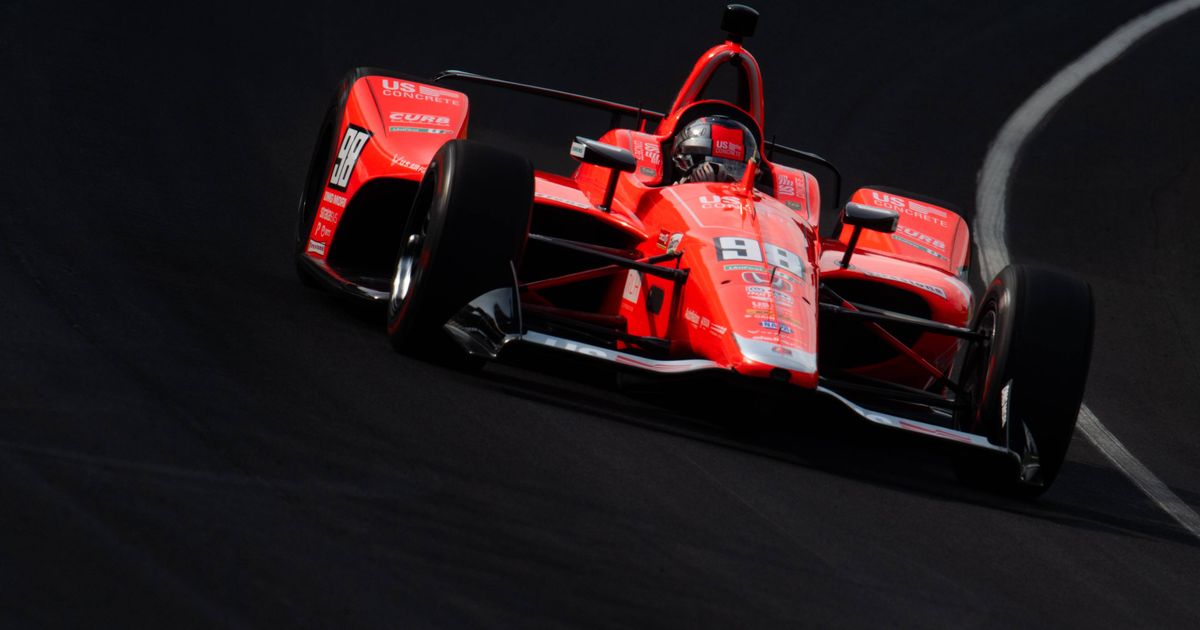
FIA boosts IndyCar's super licence points, easing path to F1 for drivers
The FIA has revised its super licence points system, significantly increasing the allocation for top IndyCar finishers from 2026. This change makes the American series the second-most valuable feeder series behind F2, removing a major hurdle for drivers like Colton Herta who previously missed F1 opportunities due to points deficits.
The FIA has revised its super licence points allocation for the IndyCar Series, significantly increasing the points awarded to its top finishers starting in 2026. This change elevates IndyCar to become the second-most valuable series for earning a Formula 1 super licence, directly behind Formula 2, and removes a longstanding barrier for American open-wheel talent aiming for F1.
Why it matters:
Super licence points have been a critical and often controversial gatekeeper for entry into Formula 1. The previous system was seen as undervaluing the competitiveness of IndyCar, arguably the most competitive open-wheel series outside of F1 itself. This adjustment formally recognizes the series' caliber and provides a clearer, more attainable pathway for its top drivers to graduate to the pinnacle of motorsport, potentially diversifying the F1 grid with proven talent from another major racing discipline.
The details:
The revised points structure for the IndyCar Series champion and top 10 finishers from 2026 is as follows:
- 1st (Champion): 40 points (unchanged)
- 2nd: 30 points (unchanged)
- 3rd: 25 points (increased from 20)
- 4th: 20 points (increased from 10)
- 5th: 15 points (new)
- 6th: 10 points (increased from 8)
- 7th: 8 points (increased from 6)
- 8th: 6 points (increased from 4)
- 9th: 3 points (increased from 3)
- 10th: 1 point (decreased from 2)
This new allocation now places IndyCar firmly ahead of other feeder series like Formula 3 and the FIA World Endurance Championship in the super licence hierarchy. The change directly addresses cases like that of Colton Herta, a multi-time IndyCar race winner whose much-speculated move to AlphaTauri (now Visa Cash App RB) in 2023 collapsed primarily because he lacked the required 40 super licence points under the old system.
The big picture:
For years, the path from IndyCar to F1 has been notoriously difficult, with only a handful of drivers successfully making the switch in recent decades. The super licence points deficit was a primary reason, creating a perception that the series was not a viable route to F1. This rule change is a pragmatic acknowledgment by the FIA of the high level of competition and driver skill in IndyCar. It also aligns with Formula 1's growing commercial interest in the American market, making the dream of an American driver in F1—trained in America's premier open-wheel series—more realistic.
What's next:
The rule change takes effect for the 2026 IndyCar season, meaning drivers competing for that year's championship will be the first to benefit from the enhanced points haul. Established stars like Scott Dixon and Scott McLaughlin, who were previously ineligible under the old points tally, would now qualify for a super licence if they finish high enough in the standings. While a direct move for veteran champions may be unlikely, it opens the door for younger IndyCar talents and reinforces the series as a legitimate alternative career path to F1, potentially influencing where promising karting and junior formula drivers choose to compete.