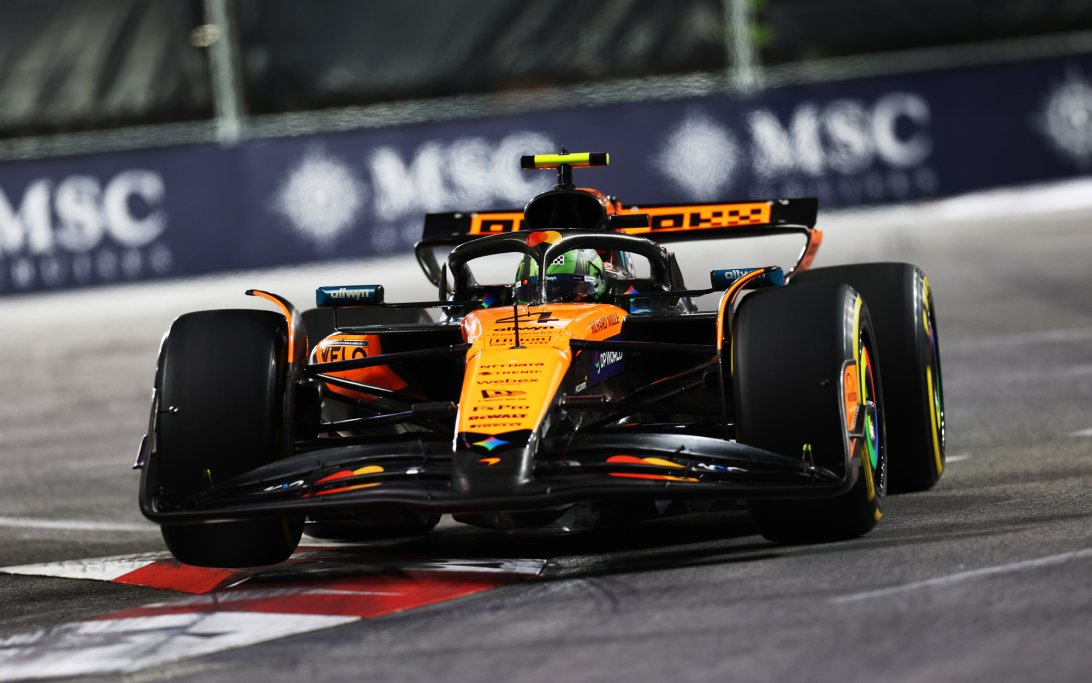
FIA Explains McLaren's Las Vegas Disqualification for Skid Block Wear
Lando Norris and Oscar Piastri were disqualified from the Las Vegas Grand Prix after their McLaren cars failed post-race technical inspections due to excessive skid block wear, violating F1 regulations. The FIA explained that despite McLaren's arguments of mitigating circumstances, the strict rules mandated disqualification, significantly impacting the championship standings for Norris.
McLaren drivers Lando Norris and Oscar Piastri were disqualified from the Las Vegas Grand Prix after their cars were found to have excessive skid block wear, a breach of Formula 1's technical regulations. The decision has significant implications for the drivers' championship standings, especially for Norris who had extended his lead.
Why it matters:
McLaren's double disqualification in Las Vegas is a major blow, especially for Lando Norris, who had seemingly extended his championship lead. This penalty drastically tightens the title race, bringing Max Verstappen and Oscar Piastri within a mere 24 points of Norris heading into the Qatar Grand Prix. It underscores the FIA's strict adherence to technical regulations and the unforgiving nature of F1 scrutineering.
The Details:
- Regulation Breach: Both McLaren cars, Car 81 (Piastri) and Car 4 (Norris), were found to have skid blocks below the minimum thickness of 9mm, violating Article 3.5.9 e) of the technical regulations.
- Measurements: Post-race checks revealed identical wear levels on both cars' right-hand side skid blocks: 8.88mm at the front and 8.93mm at the rear, both below the legal limit.
- McLaren's Defense: McLaren argued 'mitigating circumstances,' citing unexpected porpoising and limited dry practice time due to weather, which restricted their data collection and ability to anticipate the wear. They also suggested the degree of breach was minimal compared to previous cases.
- FIA's Stance: The FIA acknowledged McLaren's breach was unintentional but maintained that regulations and precedent allow no alternative penalty to disqualification for technical infringements. The stewards confirmed the measurements with a certified micrometre and noted that the measurements were even lower upon re-evaluation.
- No Mitigation Accepted: Despite McLaren's suggestion of accidental damage to the floor, the stewards deemed it insufficient to mitigate the penalty, reinforcing the strict application of technical rules.
The Big Picture:
Technical compliance is non-negotiable in Formula 1. This incident highlights the FIA's unwavering commitment to enforcing regulations, even when breaches are unintentional or marginal. The rapid shift in championship dynamics following this disqualification illustrates how a seemingly minor technical infringement can have monumental consequences for a team and its drivers. This strict enforcement ensures a level playing field and maintains the integrity of the sport.
What's next:
The focus now shifts to the Qatar Grand Prix, where the championship battle has been dramatically re-ignited. With Norris's lead significantly cut, the upcoming race becomes crucial for all three contenders. McLaren will undoubtedly conduct a thorough review to prevent future occurrences, while other teams will be keenly aware of the rigorous scrutiny applied by the FIA's technical delegates.