FIA explains why proposed mid-cycle rule change to improve racing was dropped
The FIA has revealed it attempted to modify F1's current aerodynamic rules mid-cycle to better reduce 'dirty air' and improve racing but was forced to abandon the plan due to insufficient support from the teams, a requirement for such in-period changes.
The FIA considered but ultimately abandoned a mid-cycle rule change aimed at improving Formula 1's racing spectacle by reducing the 'dirty air' effect, citing a lack of support from the teams required to pass the measure.
Why it matters:
The current ground-effect regulations, introduced in 2022, were designed to allow cars to follow each other more closely. While initially successful, their effectiveness has diminished as car development has progressed. The failure to implement a corrective update mid-cycle means drivers will likely continue to struggle with turbulent air for the remainder of this regulatory era, potentially impacting the quality of on-track battles.
The details:
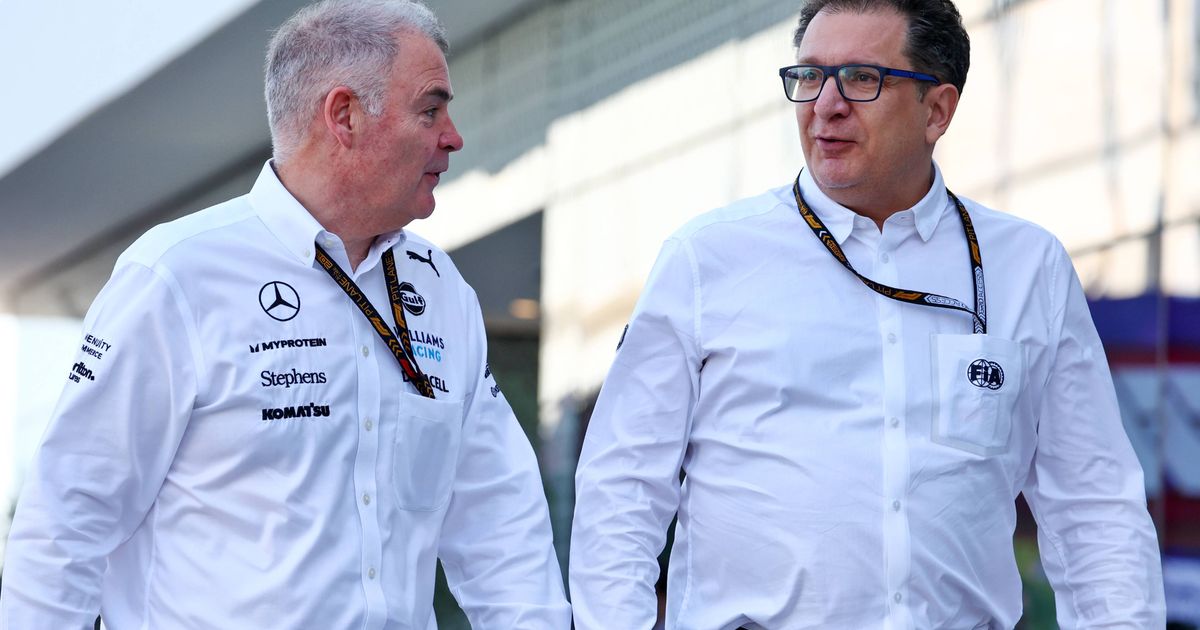
FIA Single-Seater Director Nikolas Tombazis confirmed the governing body had explored regulatory tweaks but could not secure the necessary backing. He explained that changing rules within a regulatory cycle requires specific governance, meaning a large majority of teams must support any alteration. The proposed change targeted the cars' ground-effect aerodynamics, the core system for generating downforce under the current rules.
- Team Consensus Required: Tombazis emphasized the process is not unilateral, stating, "It's not just us wanting to do something." The lack of a supermajority among the ten teams blocked the initiative.
- Diminishing Returns: Tombazis gave the current regulations a modest grade of "a B or a C," acknowledging that while a significant step was made, the goal of eliminating the dirty air problem has not been fully achieved. The phenomenon has returned as teams have developed their cars over the past three seasons.
What's next:
With the mid-cycle change off the table, the focus shifts entirely to the next major regulation overhaul for the 2026 season. The new rules, which include a major shift in power unit specifications and revised chassis regulations, represent the next opportunity for the FIA and F1 to address the perennial challenge of promoting closer racing. Teams will be hoping the 2026 framework provides a more lasting solution to the issue of aerodynamic wake.