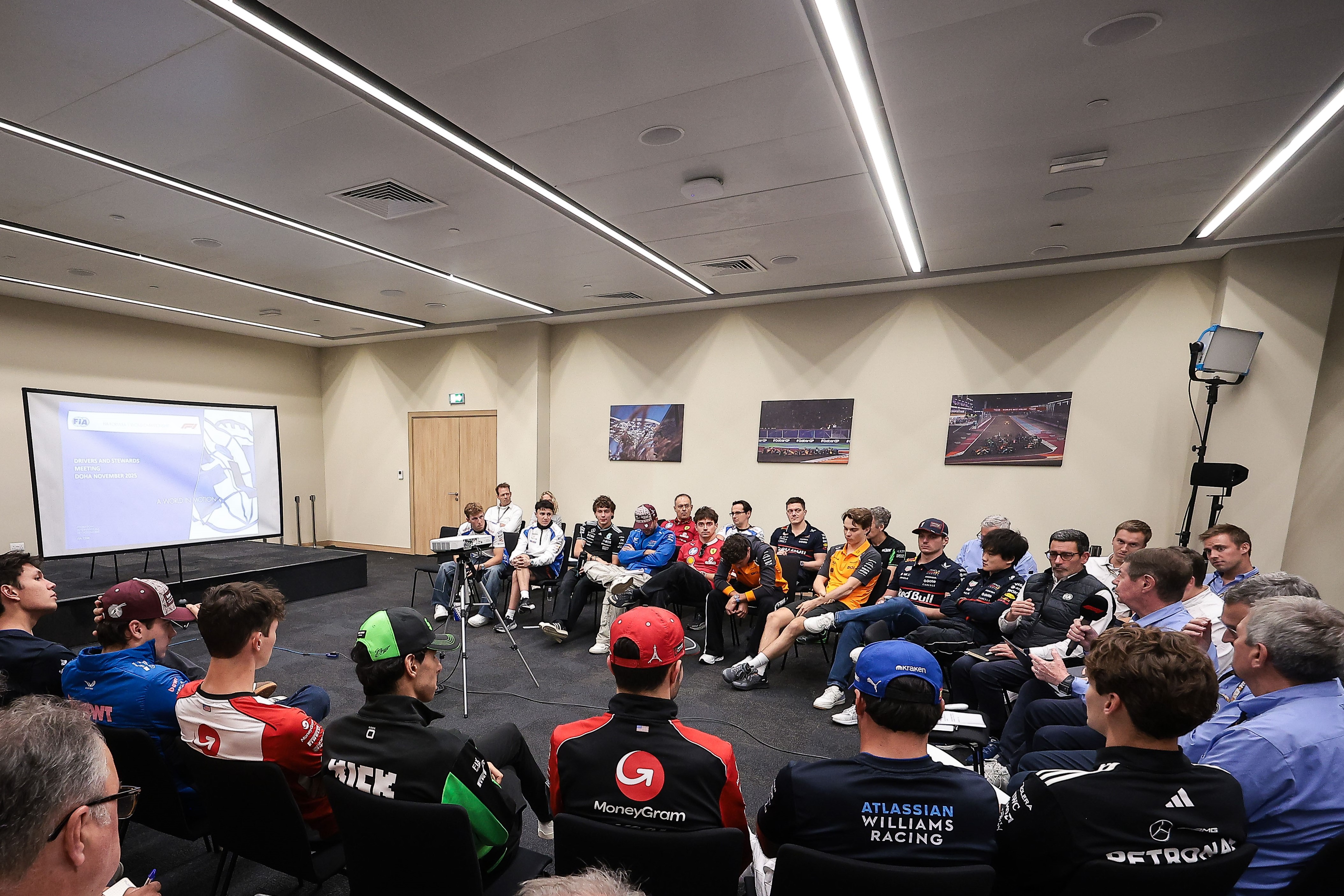
FIA Holds Annual Driving Standards Review Meeting with F1 Drivers
The FIA recently hosted its annual review meeting with F1 Stewards and drivers during the Qatar Grand Prix, focusing on refining Driving Standards Guidelines (DSGs). Key discussions centered on specific race incidents, enhancing yellow flag respect, preferring post-race hearings for complex cases, and clarifying blue flag rules. This collaborative forum aims to improve consistency and transparency in F1's regulatory framework.
The FIA recently convened its third annual review meeting with Formula 1 Stewards' Chairs and F1 drivers during the Qatar Grand Prix. This essential forum facilitates an open dialogue between drivers and stewards, aiming to enhance the clarity and consistency of driving standards and penalty guidelines within the sport. The discussions primarily focused on the Driving Standards Guidelines (DSGs), a document designed to clarify permitted and prohibited actions during overtaking and defending on track, and its ongoing evolution to ensure fair play and consistent decision-making.
Why it matters:
Consistent and transparent application of racing rules is crucial for the integrity and fairness of Formula 1. These annual meetings provide a vital platform for drivers to offer direct feedback to stewards, fostering a collaborative environment that aims to refine regulations and improve decision-making processes. This ensures that the sport remains competitive and comprehensible for both participants and fans, reducing ambiguity around on-track incidents.
The details:
- Driving Standards Guidelines (DSGs): Introduced in 2022 at the drivers' request, the DSGs clarify acceptable conduct during overtakes and defense. They have been updated twice and are publicly available for transparency.
- Stewards emphasized that DSGs are guidelines, not regulations, explaining how rules are interpreted in practice.
- Data from the past three seasons indicates DSGs have improved consistency in stewarding decisions, supported by team analysis.
- Case Studies Discussed: The meeting reviewed specific incidents from the current season to illustrate points and discuss interpretations:
- Piastri–Antonelli (Interlagos): Overtaking on the inside.
- Sainz–Bearman (Monza): Overtaking on the outside.
- Sainz–Lawson (Zandvoort): Application of DSGs in long-radius corners.
- Norris–Leclerc (Austin): Track limits and what constitutes a 'strike'.
- Verstappen–Leclerc (Mexico City): Leaving the track and gaining a lasting advantage.
- Key Driver Preferences: Drivers expressed several preferences and insights:
- A stronger emphasis on respect for yellow flags and discussion of additional safety concepts.
- A clear preference for post-race hearings when all relevant information might not be available during live running.
- The shared view that guidelines cannot cover every scenario, underscoring the importance of having an experienced Driver Steward on each panel.
- Discussions also touched on blue flags, including potential additions to the DSGs to clarify expected behavior from lapped cars.
What's next:
The constructive feedback from drivers and teams will inform future refinements to the DSGs, in consultation with the Grand Prix Drivers' Association (GPDA) and the FIA Drivers’ Commission. However, no changes will be implemented for the final two Grands Prix of the 2025 season. This ongoing dialogue ensures that F1's driving standards continue to evolve in line with the sport's dynamic nature and competitive demands.