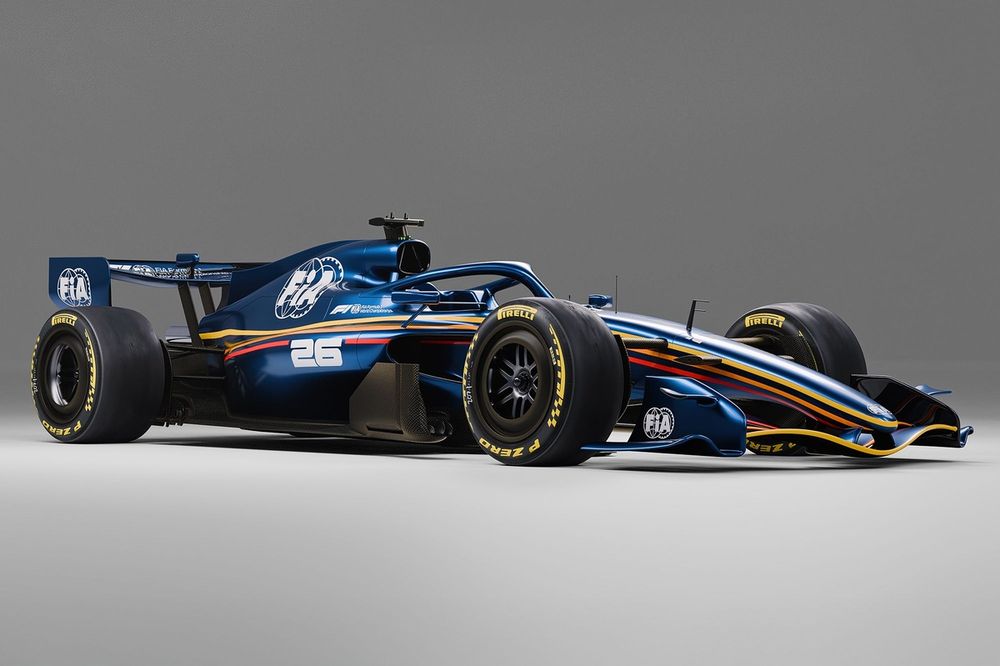
FIA: Power Units to Be Key Differentiator in 2026 F1 Reset
The FIA predicts new 2026 power units will be the initial performance differentiator in F1, but believes aerodynamic convergence will later tighten the grid, with new rules preventing a repeat of past dominance.
The FIA anticipates that the massive 2026 regulation reset will initially create larger performance gaps on the F1 grid, with the new power units being the primary differentiator. However, the governing body has implemented new systems, like the ADUO, to allow lagging manufacturers to catch up and prevent a repeat of the dominant 2014 era. The expectation is that while the ICE will be king at first, aerodynamic innovation will eventually take over as teams converge on the best solutions.
Why it matters:
The 2014 hybrid era saw Mercedes establish a multi-year dominance largely due to a superior power unit, a scenario the FIA is desperate to avoid repeating. The 2026 reset, with new engine and chassis rules, presents another opportunity for one team to leap ahead. These new regulations are a proactive attempt to ensure a more competitive and exciting grid in the long term, preventing any single manufacturer from locking in an advantage for years.
The details:
- The main differentiator early on will be the Internal Combustion Engine (ICE). With new manufacturers like Audi joining and all builders starting from scratch, some designs will be inherently better than others.
- The FIA's new ADUO (Assessment of Development and Upgrade Opportunities) system is the key safety net to ensure long-term parity.
- After every six races, the FIA will assess ICE power outputs.
- Manufacturers 2-4% down on the most powerful ICE get one extra upgrade; those more than 4% down get two.
- Aerodynamics is expected to be the second major battleground. As seen with the 2022 regulations (e.g., sidepod concepts), teams will initially explore different solutions before converging on the most effective design over time.
- Pirelli's data supports this theory: teams' initial downforce simulations varied wildly, but their predictions for the end of 2026 were much closer, suggesting convergence is likely.
Looking ahead:
The FIA projects that while the 2026 grid will be more spread out at the start of the season than it is now, the "converged" grid later in the cycle should be even closer than the current one. The governing body emphasizes that fan excitement is driven by the competition at the front of the field, not the gap from first to last. If the new regulations work as intended, the battle for wins and podiums could be more fiercely contested than ever before.