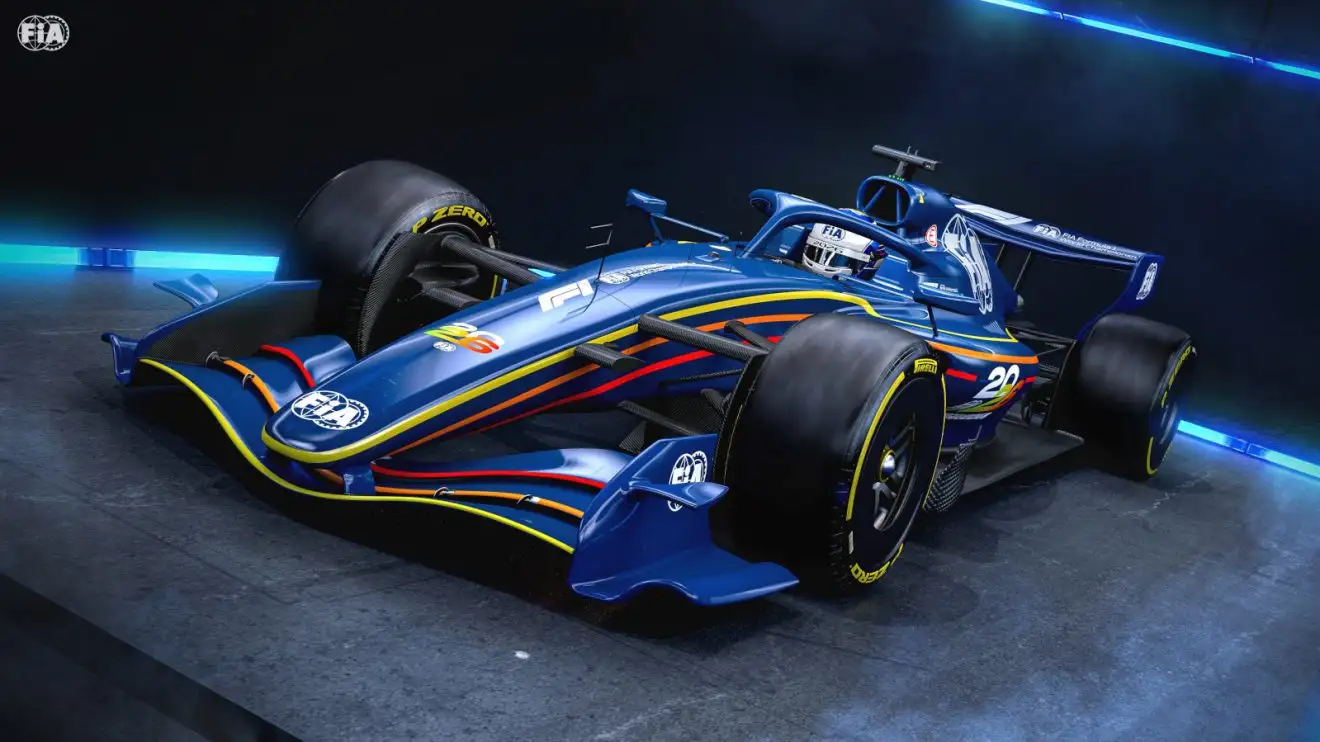
FIA Rejects F2 Performance Concerns for F1 2026 Rules
The FIA has firmly rejected fears that F1 cars will perform at 'F2 levels' under the new 2026 regulations. Single-seater director Nikolas Tombazis clarified that while cars might be 1-2 seconds slower initially, this is a natural part of a new rule cycle, not a drastic performance drop. Teams and drivers are adjusting to new hybrid power units and active aerodynamics, with ongoing simulator refinements and real-world testing in January set to provide clearer insights.
Fears that Formula 1 cars will significantly slow down under the new 2026 regulations have been dismissed by the FIA's Nikolas Tombazis. While the new hybrid power units and active aerodynamics will introduce complexities, the FIA insists lap times will remain comparable to current F1 performance, not drop to F2 levels.
Why it matters:
After initial concerns from drivers testing early simulator versions, these reassurances from the FIA are crucial for maintaining confidence in F1's future technical direction. A significant drop in performance could deter fans and compromise the 'pinnacle of motorsport' image, making clear communication about expected lap times vital for managing expectations and ensuring the sport's appeal.
The Details:
- 2026 Regulations Overview: The upcoming regulations will feature a new hybrid power unit with a near 50/50 split between electrical and internal combustion power.
- Active Aerodynamics: Cars will utilize 'X-Mode' and 'Y-Mode' configurations, allowing for high downforce in corners and reduced drag on straights through active aero.
- Performance Concerns: Isack Hadjar, after simulator runs, suggested 2026 car performance was closer to F2 than current F1, raising alarms about potential lap time reductions of over 10 seconds.
- FIA's Rebuttal: Nikolas Tombazis, FIA's single-seater director, strongly refuted these claims, stating that lap times will only be "one or two seconds" slower than current F1 cars, depending on the track and conditions.
- Natural Development Cycle: Tombazis explained that it's natural for cars to be slightly slower at the beginning of a new regulation cycle, allowing for performance gains through natural development over subsequent seasons, preventing an unsustainable escalation of speed.
- Simulator Evolution: Tombazis also noted that driver feedback from simulators is often based on early iterations, and the simulation models are constantly evolving as more data becomes available, refining the 'final product' performance.
- Circuit Characteristics: Red Bull's Paul Monaghan added that performance will vary across "energy-rich" and "energy-poor" circuits due to differing energy recovery capabilities, and the final tire specifications from Pirelli will also influence overall lap times.
What's next:
Teams are preparing for a complex period of optimization and driver adaptation to the new regulations. While initial performance may see a slight dip, the long-term goal is to harness the new hybrid technology and sustainable fuels to eventually push the boundaries of performance once again. The first real-world tests in Barcelona in late January will be crucial for validating simulator data and beginning the intensive development process.
- Aston Martin's Andy Stevenson expressed excitement about the learning curve, highlighting the importance of pre-season testing for honing performance and embracing the new sustainable hybrid era.
- The new regulations are seen as a step towards a more sustainable future for F1, a positive aspect that the sport aims to celebrate despite any initial performance adjustments.